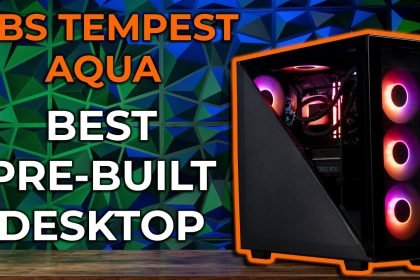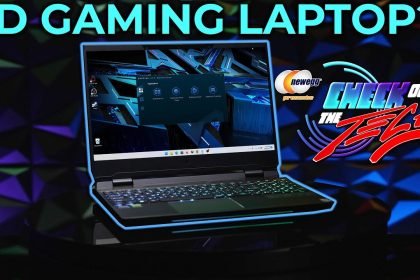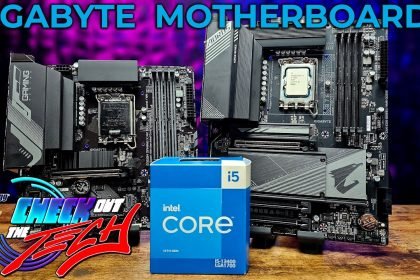






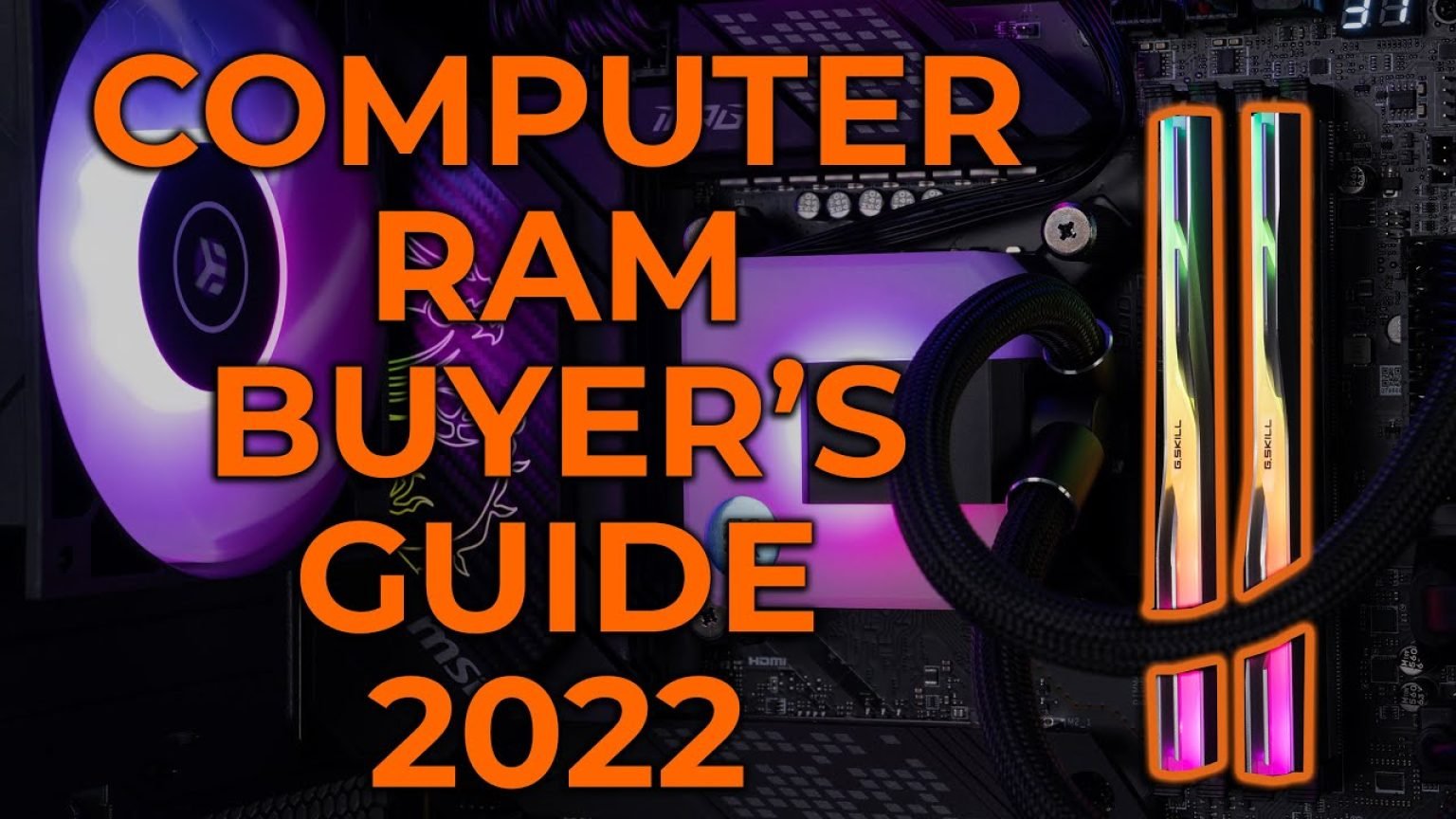
Welcome back to the workbench, Philly tech enthusiasts. Whether you are piecing together an elite gaming rig or upgrading your workstation to handle heavy creative workloads, getting your system memory right is non-negotiable. Building a modern desktop requires more than just slapping components together; it demands a strategic understanding of how bandwidth, latency, and platform compatibility interact. In this comprehensive guide, we examine the essential takeaways from the Newegg Studios hardware breakdown, exploring how to select the optimal memory modules for your next custom PC build.
Decoding Modern System Memory: Capacity, Speed, and Architecture
When diving into system RAM specifications, builders are often inundated with numbers—Megaferries per second (MT/s), CAS latency timings, and channel configurations. Choosing the right kit starts with matching your hardware to your daily computational demands. For casual users and budget gamers, 16GB remains a baseline entry point, but modern AAA gaming and multitasking heavily favor a 32GB footprint. Content creators working with 4K video editing, heavy 3D rendering, or complex software environments should immediately target 64GB or higher to avoid severe system bottlenecks.
Beyond capacity, memory frequency and latency dictate how fast your CPU can access data. Modern memory standards operate at significantly higher frequencies than older generations, drastically improving data throughput. However, raw speed is only half the battle; tight memory timings ensure that the processor spends less time waiting for instructions to fetch. When configuring your system, checking compatibility with official architecture guidelines from manufacturers like Intel and AMD ensures your memory kits run stable at their advertised XPO or XMP profiles.

Toyota’s ‘baby’ Land Cruiser seen bolstering Asia car sales
Toyota Motor is counting on a new Land Cruiser, the smallest in…

BREAKING: Lindsay Clancy mistrial declared after male juror holds out
The Lindsay Clancy murder trial stumbled toward a mistrial declaration today as…

Congressman Meuser joins Mornings With Maria
As Capitol Hill navigates a dense legislative calendar marked by persistent economic…

French Rafales and South Korean F-35As Deepen Strategic Airpower Cooperation in the Indo-Pacific
South Korean F-35A stealth fighters trained alongside French Rafales at Cheongju Air…

IMPENETRABLE MONSTER: Inside the Colombian Fortress That Obliterated Britain’s Greatest Fleet
CARTAGENA, COLOMBIA — Towering over San Lázaro Hill in Cartagena stands the…

Dr. Joyce Demands Major Crackdown on Foreign Robocalls Targeting Americans
WASHINGTON — In an era defined by constant connectivity, millions of Americans…
DDR4 vs. DDR5: Navigating the Generation Gap
One of the most critical decisions for a modern builder is choosing between DDR4 and DDR5 platforms. While DDR4 remains a cost-effective solution with mature, tight-timing kits available at rock-bottom prices, DDR5 represents the future of mainstream desktop computing. DDR5 introduces on-die ECC (Error Correction Code) for enhanced data integrity, double the burst length, and significantly higher baseline clock speeds.
- DDR4: Ideal for budget-conscious builds, older motherboard platforms, and users transitioning existing hardware without breaking the bank.
- DDR5: Essential for next-generation platforms, offering massive bandwidth increases that shine in productivity applications and high-refresh-rate gaming.
- Voltage and Power: DDR5 shifts the power management integrated circuit (PMIC) directly onto the DIMM itself, resulting in improved power delivery efficiency and thermal regulation.
Platform Compatibility and Motherboard Considerations
Memory choice cannot be made in a vacuum. Your selected RAM kit must align with your motherboard’s physical memory slots and chipset capabilities. Modern motherboards feature specific channel layouts, and populating them correctly—typically utilizing slots two and four for a dual-channel configuration—is crucial for maximizing performance.
Furthermore, physical clearance is an underrated hurdle in PC building. High-end memory modules often feature massive, ornate aluminum heat spreaders or integrated RGB lighting bars. Before purchasing a kit, builders must verify that their chosen CPU cooler—especially bulky dual-tower air coolers—won’t overhang the memory slots and physically block the installation of taller DIMMs. Liquid cooling loops offer more flexibility, but careful measurements remain a best practice for every clean build.
Optimizing Your BIOS: Enabling XMP and EXPO Profiles
A common pitfall for first-time builders is installing high-frequency memory only to discover it is running at its default JEDEC speed (often 2133 MT/s or 4800 MT/s). To unlock the performance you paid for, you must enter the motherboard’s UEFI/BIOS interface and enable Intel’s Extreme Memory Profile (XMP) or AMD’s Extended Profiles for Overclocking (EXPO). This one-step toggle automatically applies the manufacturer-certified voltage, frequency, and latency timings, ensuring maximum stability and peak system responsiveness.
Final Verdict: Making the Right Investment for Your Rig
Ultimately, selecting system memory comes down to balancing your performance goals with your budget. While it is tempting to overspend on ultra-fast memory kits with aggressive timings, real-world gains in gaming tend to plateau after a certain threshold. By understanding your platform’s limitations, prioritizing capacity where necessary, and properly configuring your BIOS settings, you will ensure your system runs at peak efficiency for years to come. Stay tuned to The Philly PI for more deep-dive hardware reviews and builder guides!