






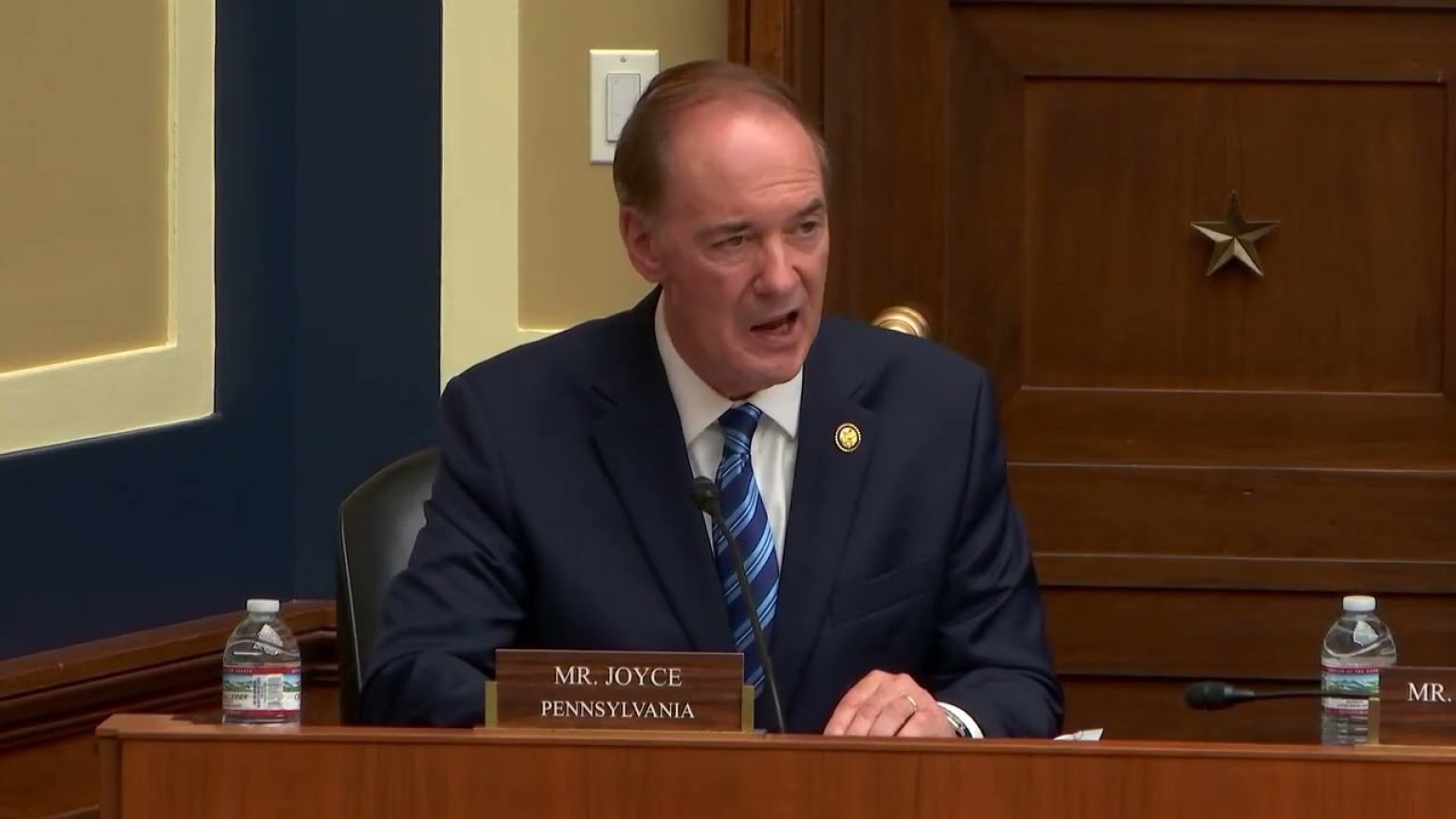
WASHINGTON — In an era defined by constant connectivity, millions of Americans find themselves continuously besieged by an unwelcome digital intrusion: unsolicited, deceptive, and often fraudulent robocalls originating from overseas. Lawmakers on Capitol Hill are ramping up legislative pressure to stem the tide of these malicious communications, focusing intently on the loopholes that allow foreign bad actors to exploit United States telecommunications networks.
As federal regulators and telecom companies grapple with evolving scam tactics, congressional oversight has zeroed in on tightening international gateway security. Policymakers argue that protecting everyday citizens—particularly vulnerable seniors—from sophisticated financial fraud requires a multi-layered legislative approach, holding foreign telecom providers accountable, and empowering federal agencies to block illicit traffic at the border of the U.S. network.
Combating the Scourge of Foreign Robocalls
The proliferation of illegal robocalls has long transcended mere annoyance, evolving into a sophisticated multi-billion-dollar enterprise driven by international criminal syndicates. These bad actors frequently employ spoofing technology to disguise their true origins, making foreign calls appear as though they are coming from local area codes or trusted government institutions.

US-Backed SDF Leader Joins Sharaa Regime As Presidential Advisor After Kurdish Force Dissolved
Via The Cradle Self-proclaimed Syrian President Ahmad al-Sharaa has appointed Kurdish leader…

Massive Star Wars Secret Uncovered: This Was Actually The Plan All Along
The sprawling narrative of a galaxy far, far away has always thrived…

One Male Bird Is Almost Single-Handedly Keeping His Species Alive in Britain
Take six chicks, two different nests, and two females, and add one…

Earth’s Core Could Be Hiding the Equivalent of up to 45 Oceans of Water
The Earth’s core might not be what we once thought. Credit: Argonne…

A new fuselage on someone else's wings: at what engineering cost did the Tu-104 usher in the jet age?
Seventy years since the first scheduled flight - September 15, 1956What does…

Finland’s First F-35As Arrive in the Country as NATO’s Fifth-Generation Network Expands Across the High North
Finland’s first two F-35A Lightning II fighters have landed at Rovaniemi, with…
During recent congressional discussions, lawmakers emphasized that traditional consumer awareness campaigns are no longer sufficient to combat the scale of the crisis. Federal Communications Commission (FCC) data indicates that billions of robocalls are placed to American households every month, with a significant percentage routed through foreign intermediate providers operating beyond the immediate reach of domestic regulatory enforcement.
To address this ongoing vulnerability, members of Congress are pushing for stricter obligations on gateway providers—the domestic entities responsible for bringing international calls into the United States telecommunications grid. By forcing these gatekeepers to adopt rigorous traceback cooperation and rapid mitigation protocols, lawmakers aim to choke off illicit call volume before it ever reaches a consumer’s phone.
Legislative Solutions and Congressional Oversight
Capitol Hill has increasingly treated telecommunications security as a bipartisan priority, recognizing that telecom fraud does not discriminate along party lines. Legislative frameworks currently under review in various House committees aim to grant regulatory bodies enhanced authority to penalize foreign entities that facilitate or turn a blind eye to fraudulent traffic.
Key components of these ongoing legislative efforts include:
- Enhanced Traceback Mandates: Requiring all gateway providers to fully cooperate with the official industry traceback consortium to identify the ultimate source of illegal calls within strict timeframes.
- Stiffer Penalties for Non-Compliance: Imposing severe financial fines and potential network revocation for domestic providers that knowingly allow illegal foreign traffic to enter the U.S. ecosystem.
- Interagency Collaboration: Fostering deeper cooperation between the FCC, the Federal Trade Commission (FTC), and the Department of Justice to track down and prosecute overseas operators.
For official documentation on pending telecommunications bills and congressional committee schedules, constituents and researchers can monitor updates via Congress.gov.
Protecting Vulnerable Consumers and Seniors
While tech-savvy consumers can often easily identify and dismiss suspicious calls, seniors and fixed-income Americans remain disproportionately targeted by high-pressure financial scams, IRS impersonation schemes, and fraudulent warranty extensions. The psychological and financial toll on these demographics has added an urgent humanitarian dimension to the legislative push.
Lawmakers stress that the responsibility should not fall entirely on the individual to screen every ring. By cutting off the infrastructure that enables scammers to operate at scale, Congress hopes to restore a baseline level of trust in domestic telecommunications. As regulatory scrutiny intensifies, federal watchdogs and industry stakeholders will face mounting pressure to deliver measurable results in the ongoing battle against foreign telephone deception.