







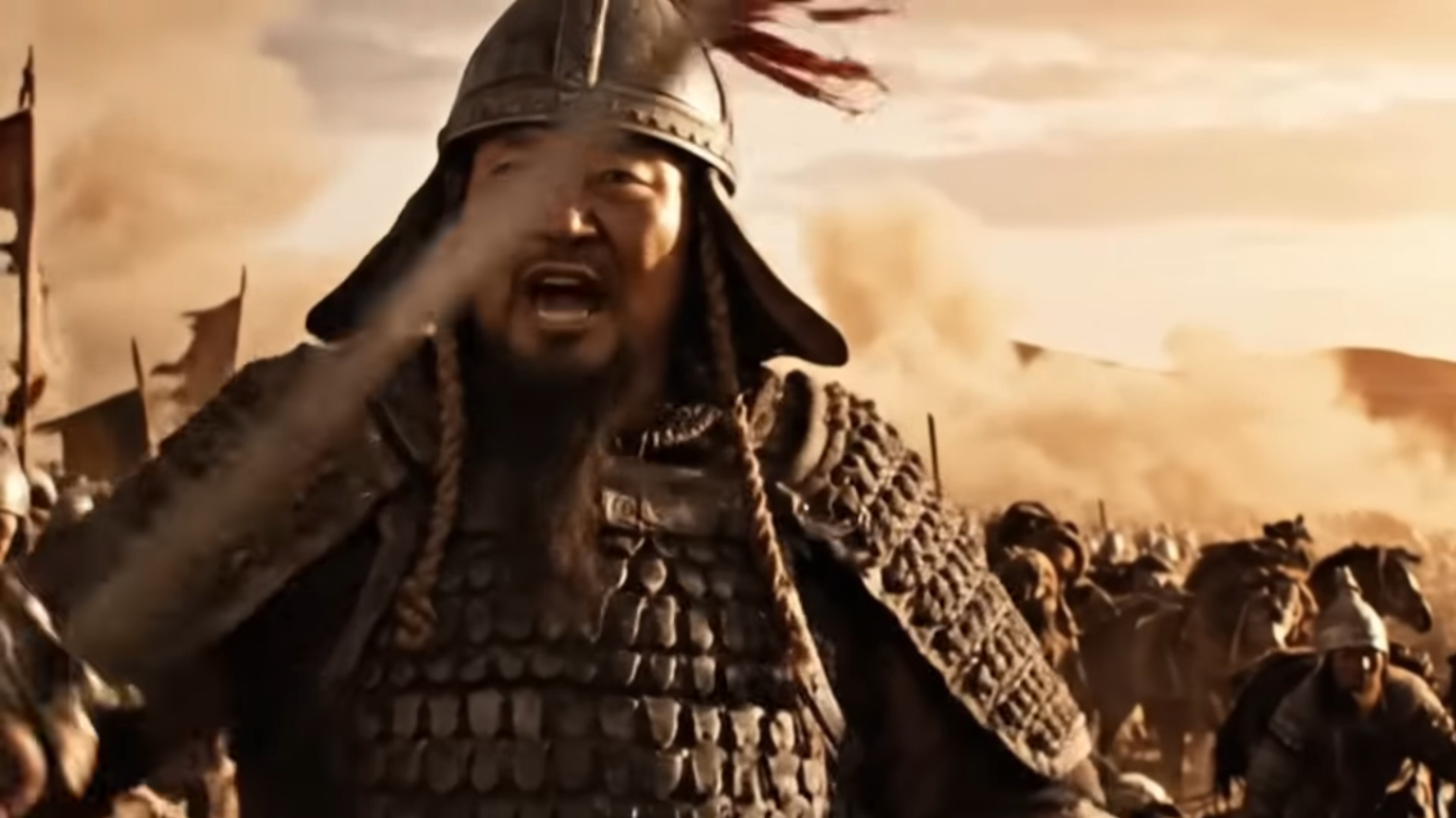
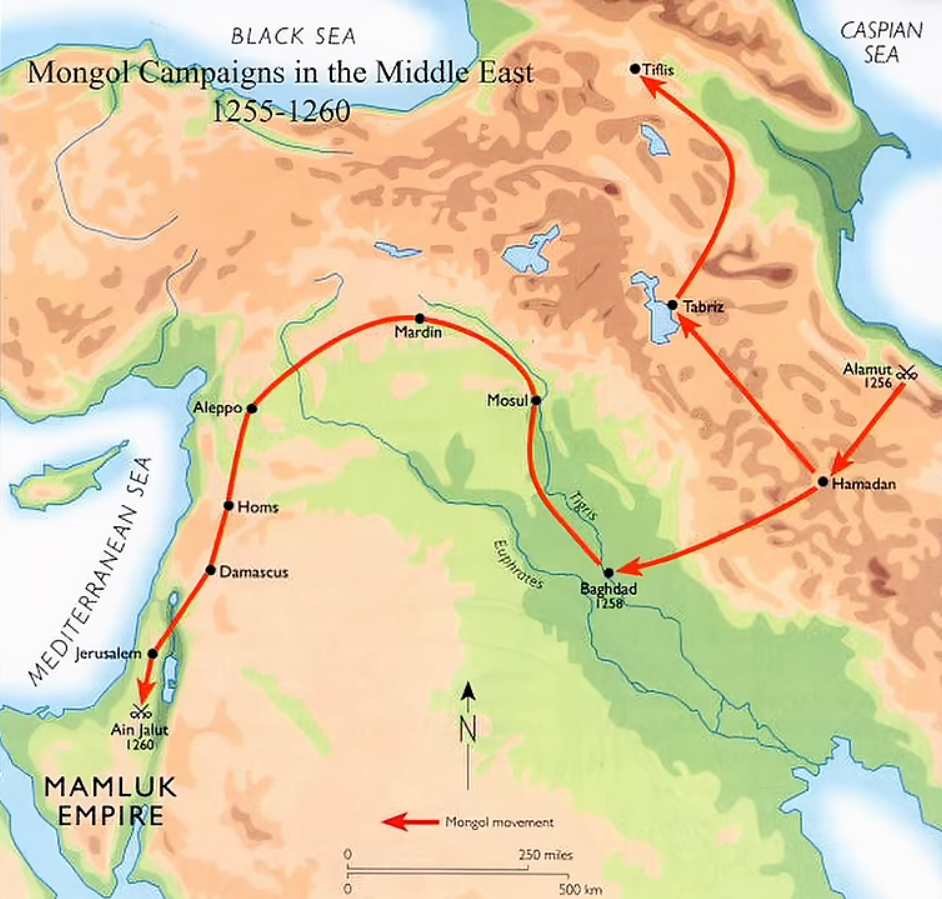
By September 1260, the Mongol Empire felt less like an earthly army and more like an apocalyptic force. Two years earlier, Hulagu Khan’s horde had sacked Baghdad—the intellectual and cultural heart of the Islamic world—executing Caliph Al-Musta’sim and razing centuries of history to the ground. With Syria quickly falling next, the shadow of the Mongol war machine stretched directly over Cairo.

The fate of the entire Middle East rested on a class of elite slave-warriors who had seized power in Egypt: the Mamluks.
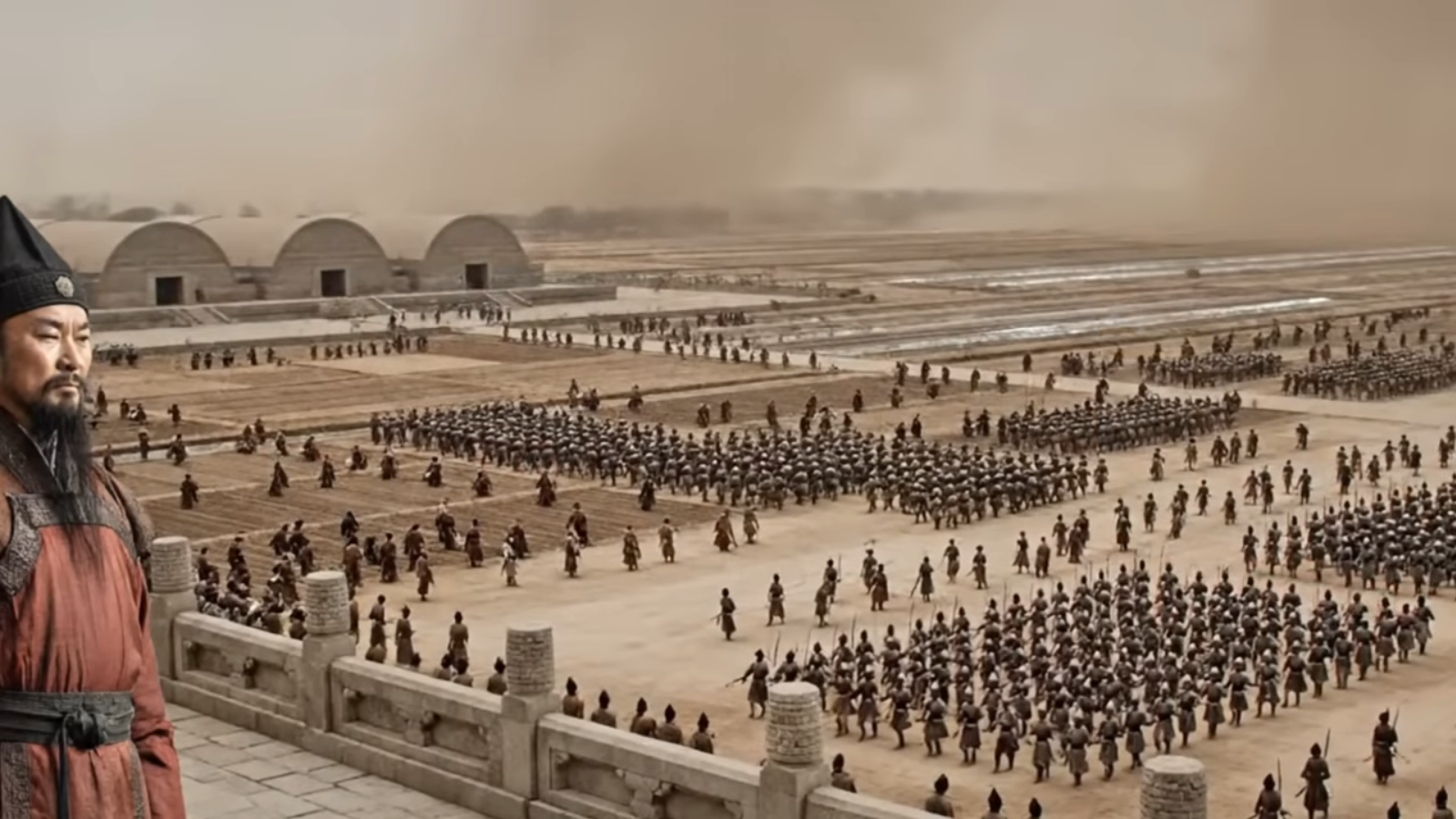
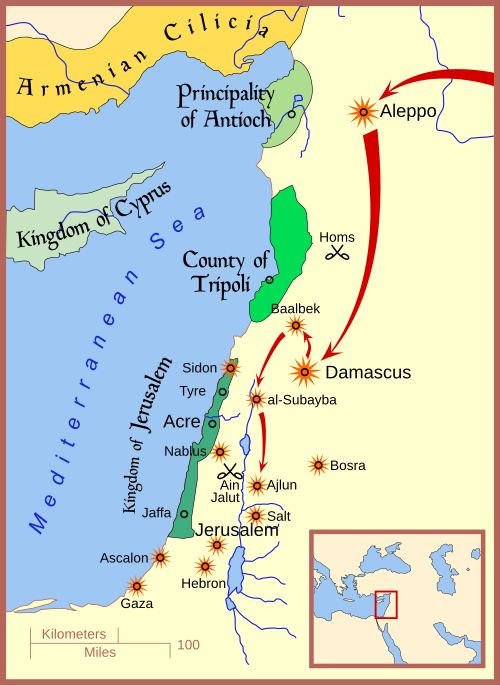
On September 3, 1260, in the Jezreel Valley of Palestine, the Mamluks did what no army in Eurasia had ever accomplished before—they permanently stopped a Mongol advance in direct, open combat.
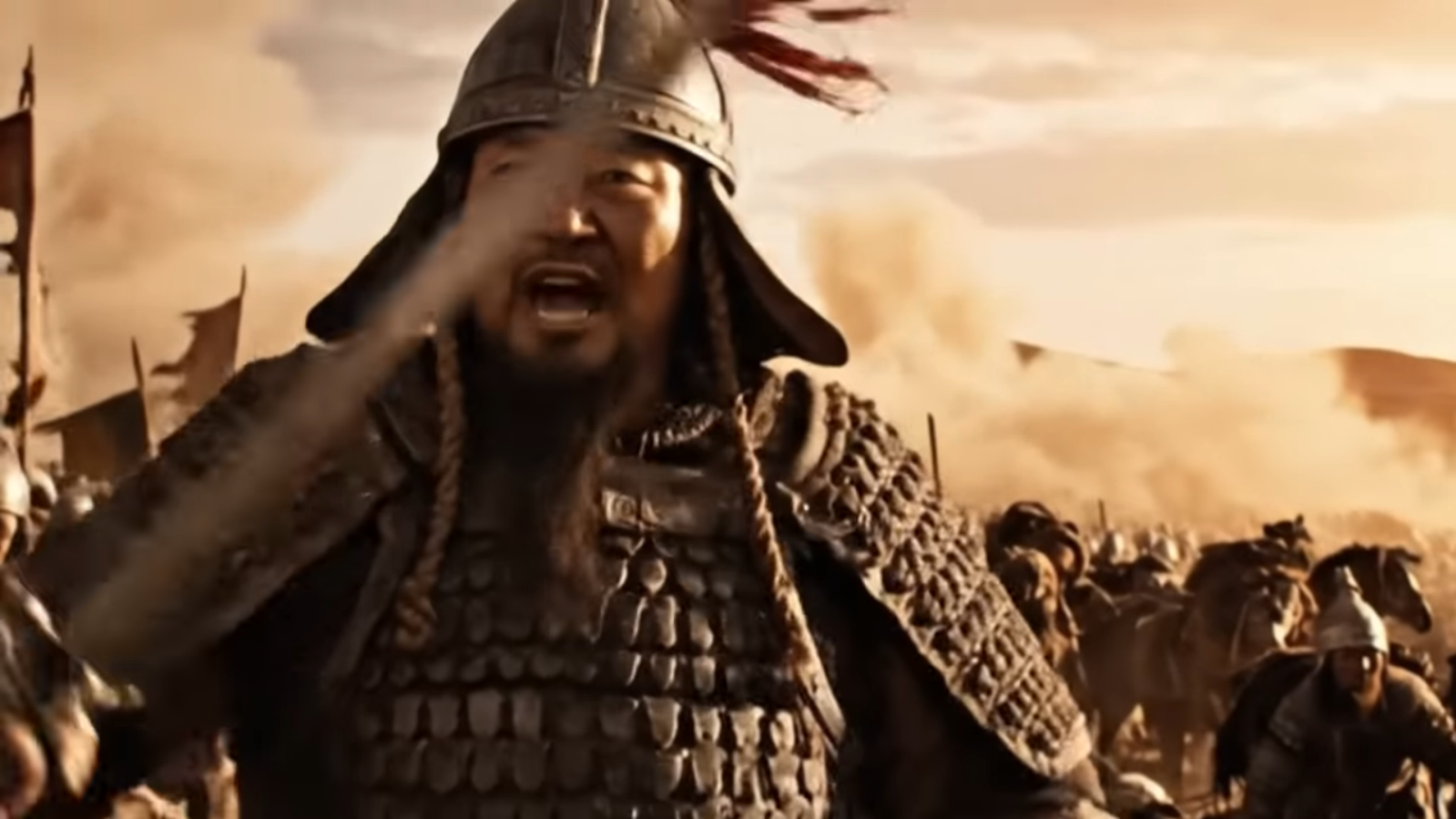
The Clash at the Spring
The battle unfolded at Ain Jalut (“The Spring of Goliath”), a strategic site where steep, forested hills enclosed a narrow valley.

Wage Gains for Bottom 25% of Working Americans Are Up 5.5% – Every Week We See Real Wage Gains”
Treasury Secretary Scott Bessent was on Newsmax‘s “Rob Schmitt Tonight” on Friday…

Notepad++ patches flaw used to hijack update system
Notepad++ patched a vulnerability that attackers used to hijack its update system…

FBI warns of surge in ATM Jackpotting, $20 Million lost in 2025
The FBI warns ATM jackpotting is rising nationwide, with over $20 million…

Poorly crafted phishing campaign leverages bogus security incident report
Attackers used a fake PDF incident report hosted on AWS to scare…

CIA Director Pushed Trump-Putin-Zelensky Summit During Moscow Visit: Report
Yet another take has been issued, and more alleged details, on CIA Director…

Google fixes first actively exploited Chrome zero-day of 2026
Google patched Chrome zero-day CVE-2026-2441, a high-severity CSS use-after-free flaw actively exploited…
When Hulagu’s envoy arrived in Cairo demanding total capitulation, Sultan Saif ad-Din Qutuz—a ruler of Turkic Khwarezmian descent—refused to yield. Instead, Qutuz executed the envoys and rallied the Egyptian forces to launch a preemptive strike into Syria. Joining him was his general, Baibars, a brilliant commander of Turkic Kipchak/Cuman origin.
Opposing them was the Mongol general Kitbugha Noyon, leading a formidable force of Mongol veterans alongside local allies. Recognizing that meeting the Mongols in open-field cavalry maneuvers was dangerous, Qutuz and Baibars devised a lethal trap.
[ FORESTS / HILLS ] ( Hidden Main Mamluk Reserve ) || || (Flanking Ambush) \/ [ Mongol Army ] ===> [ Baibars’ Vanguard ] (Kitbugha) (Feigned Retreat) /\ || (Flanking Ambush) || ( Hidden Main Mamluk Reserve ) [ FORESTS / HILLS ]Turning the Mongol Tactics Against Them
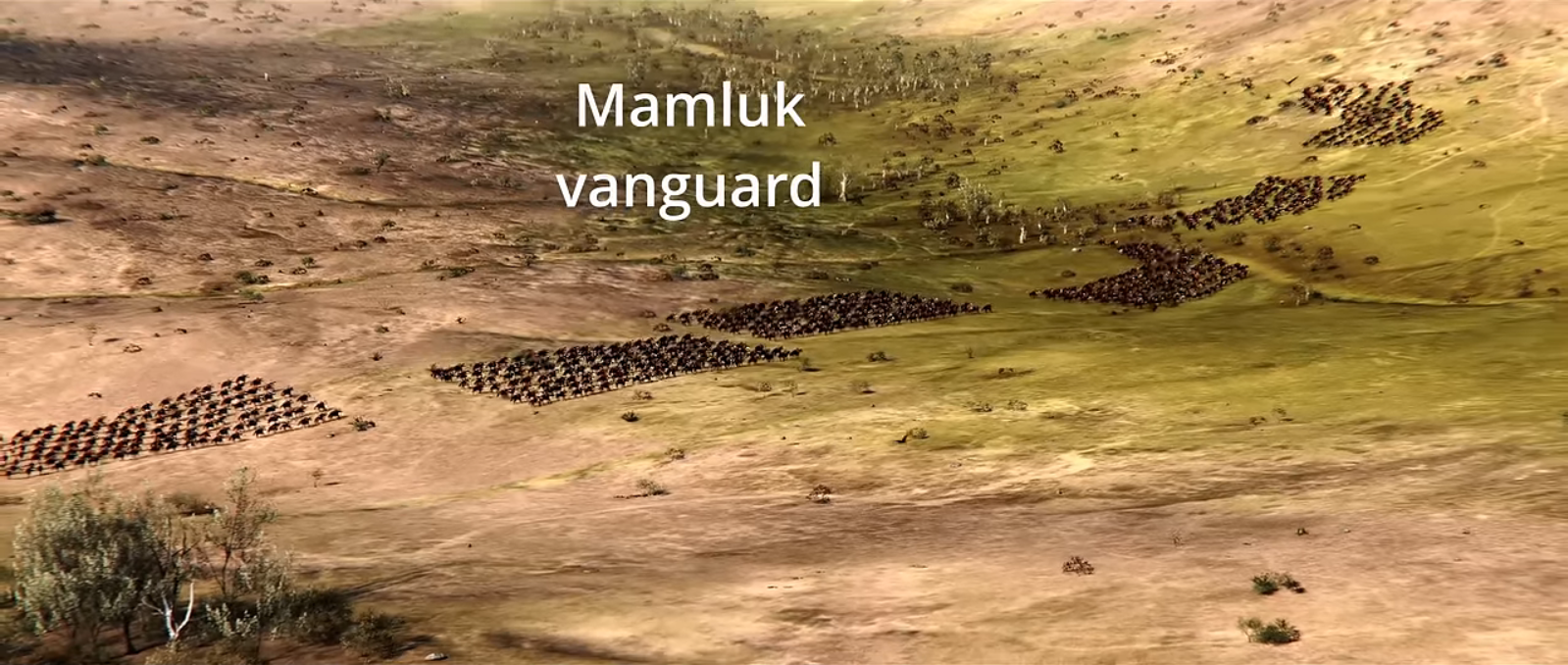
Baibars took a vanguard force onto the valley floor to engage the Mongols directly. Using a tactic famously mastered by the Mongols themselves—the feigned retreat—Baibars’ men engaged, then staged a controlled fall-back deeper into the valley.
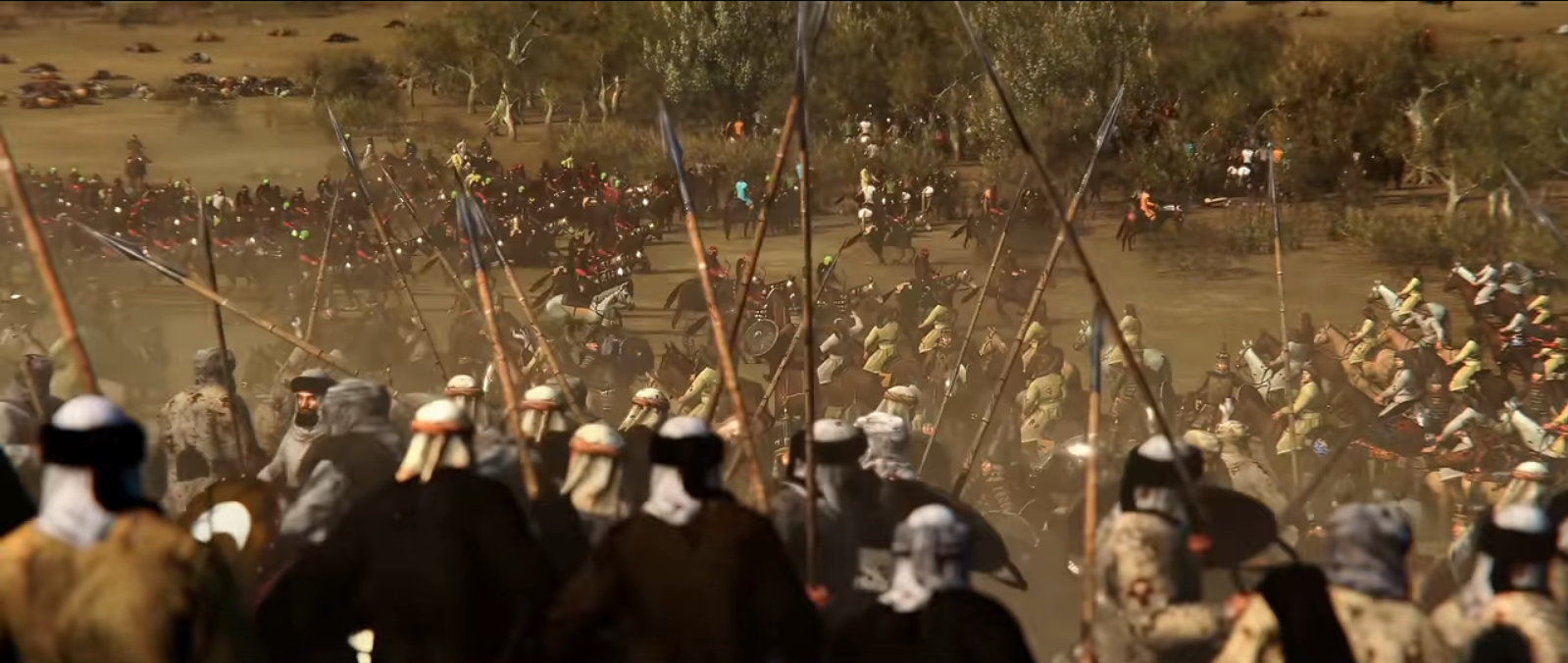
Believing the Mamluks were breaking under pressure, Kitbugha committed his entire force into the pursuit.
Once the Mongol army was fully drawn into the narrow gap, Qutuz sprang the trap. Hidden Mamluk forces poured down from the surrounding hills, encircling the invaders on three sides.
The battle quickly devolved into a brutal, close-quarters melee. At one point, the Mongol heavy cavalry nearly shattered the Mamluk left flank. Seeing the line buckle, Sultan Qutuz threw off his helmet so his men could identify his face, charged into the thickest part of the fray, and shouted his famous battle cry: “Wa Islamah!” (“Oh, my Islam!”).
Electrified by their leader’s stand, the Mamluk horsemen rallied and broke the Mongol lines. Kitbugha was slain on the field, and the surviving Mongol forces were routed.
Why Ain Jalut Changed World History
The Mamluks held several distinct tactical advantages that proved decisive:
- Cavalry Parity: As equestrian warriors raised in the steppe traditions, the Turkic Mamluks matched the Mongols in archery and horsemanship while possessing heavier armor and shock weapons.
- Horseshoe Discipline: Unlike European armies that crumbled under heat and terrain, the Mamluks were well-prepared for regional logistical challenges, using shod horses that handled the rocky Syrian landscape far better than unshod Mongol ponies.
- Early Technological Innovations: Historical Arab military treatises document that Mamluk forces utilized early forms of hand cannons (midfa) during the engagement, using gunpowder blasts to terrify the Mongol mounts.
While the Mongols had suffered minor tactical setbacks before, Ain Jalut was the first time an advancing Mongol army was decisively beaten and prevented from returning to avenge the defeat. It preserved Cairo and North Africa from destruction, secured the Levant, and established the Mamluk Sultanate as the dominant power of the Islamic world for centuries.