






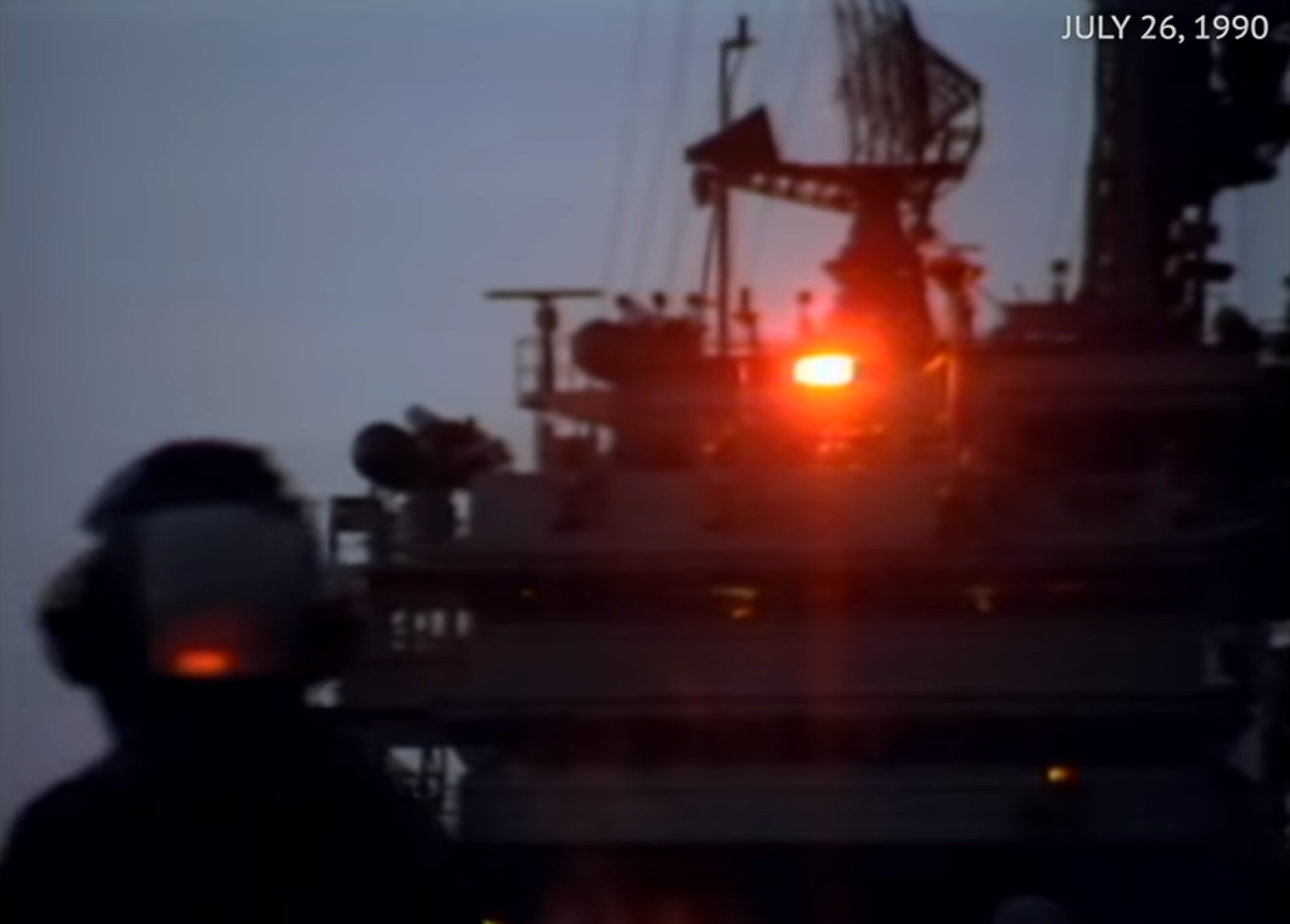
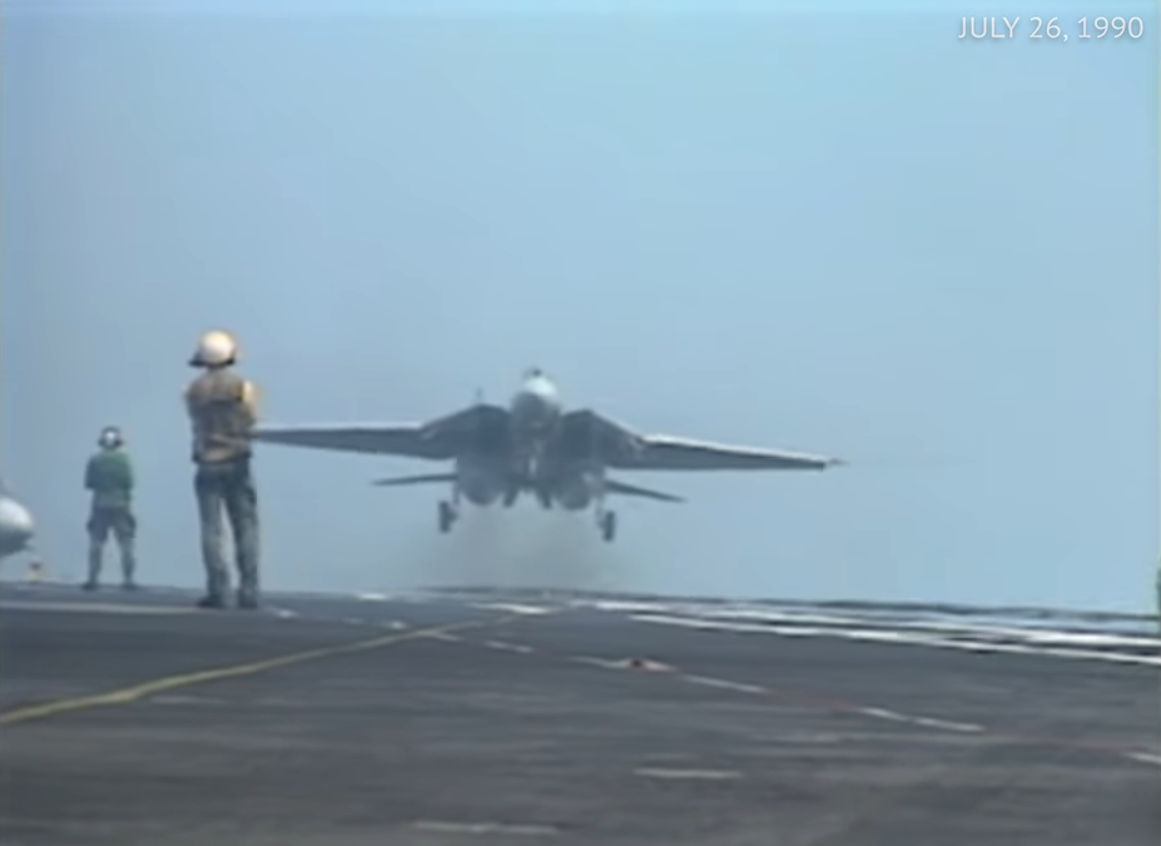
ATLANTIC OCEAN — From the flight deck, the view is 4.5 acres of high-octane, jet-fueled chaos. Eighty-five warplanes roar across the deck in a precision choreography of noise, steam, and steel, packing more firepower than the entire United States Navy deployed during World War II. Catapults slam forward with 2 million horsepower, hurling 30-ton aircraft from a dead stop to 150 miles per hour in a blink, while color-coded flight deck crews sprint between screaming jet intakes and blistering exhaust trails.
For the 5,000 officers and crew members serving aboard the supercarrier USS John F. Kennedy (CV-67), life is an intense, round-the-clock exercise in precision and survival.
“The first time I went on the flight deck, I was scared to death,” recalls one crew member, reflecting on his 18-year-old self entering the Navy straight out of high school. “It was like in The Wizard of Oz. I wasn’t in Kansas no more. I was scared of getting sucked up into an airplane… scared of getting run over.”
A Symbol of Power—or a “Floating Dinosaur”?
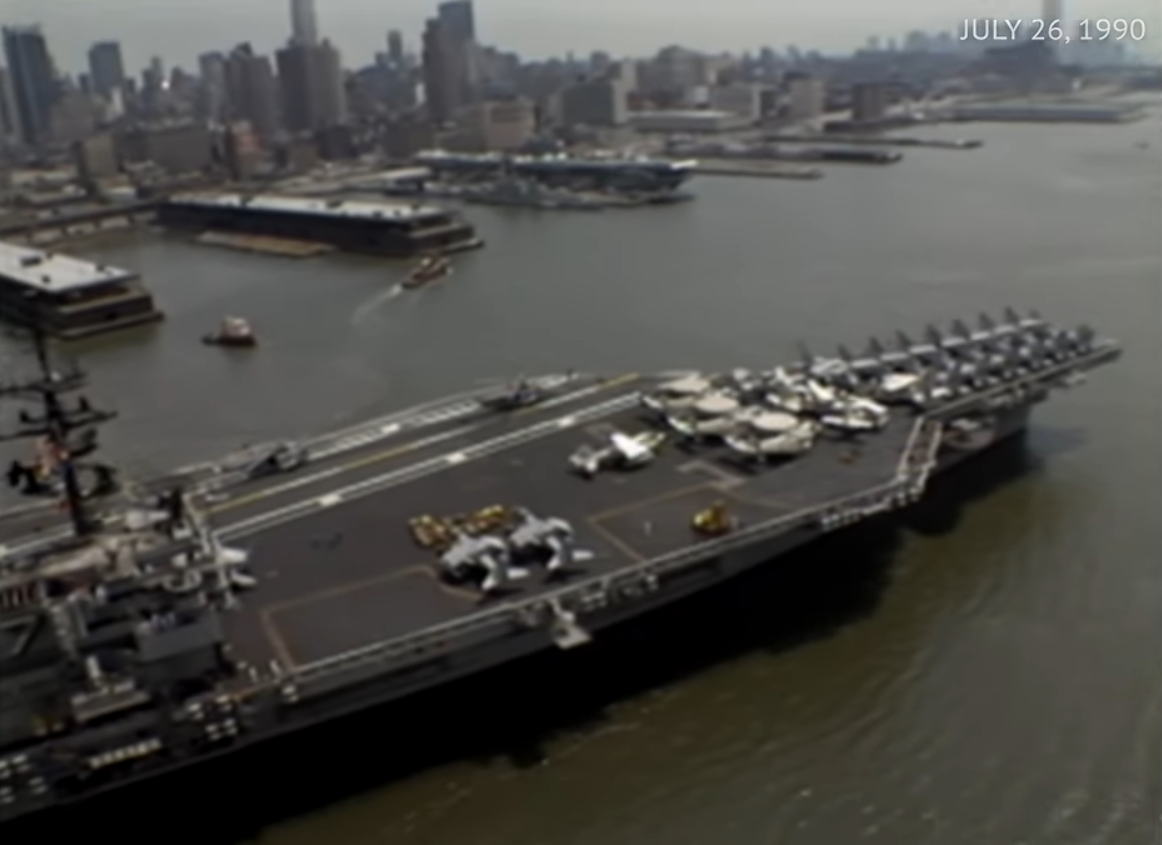
Setting sail from New York Harbor for flight operations off the U.S. East Coast, the supercarrier remains a towering instrument of global power projection. Yet, it operates in an era where critics increasingly question whether these billion-dollar giants are vital deterrents or Pentagon overkill—”floating dinosaurs in a changing world.”

Federal court restores Florida law protecting children from drag shows
Today, the full U.S. Eleventh Circuit Court of Appeals sitting en banc ruled…

Wage Gains for Bottom 25% of Working Americans Are Up 5.5% – Every Week We See Real Wage Gains”
Treasury Secretary Scott Bessent was on Newsmax‘s “Rob Schmitt Tonight” on Friday…

Hollywood’s Cult B-Movie Queen: Inside the Resilient Career of Melissa Brasselle
From late-night cult thrillers to high-octane creature features, actress and model Melissa…

“Black Power — It’s About Goddamn Time!”
New Black Panther Party national chairwoman Krystal Muhammad celebrates Judge John Roach’s…

US and Israel likely behind Ceuta crisis
The mass crossing may have been a test of Spain’s ability to…

FBI warns of surge in ATM Jackpotting, $20 Million lost in 2025
The FBI warns ATM jackpotting is rising nationwide, with over $20 million…
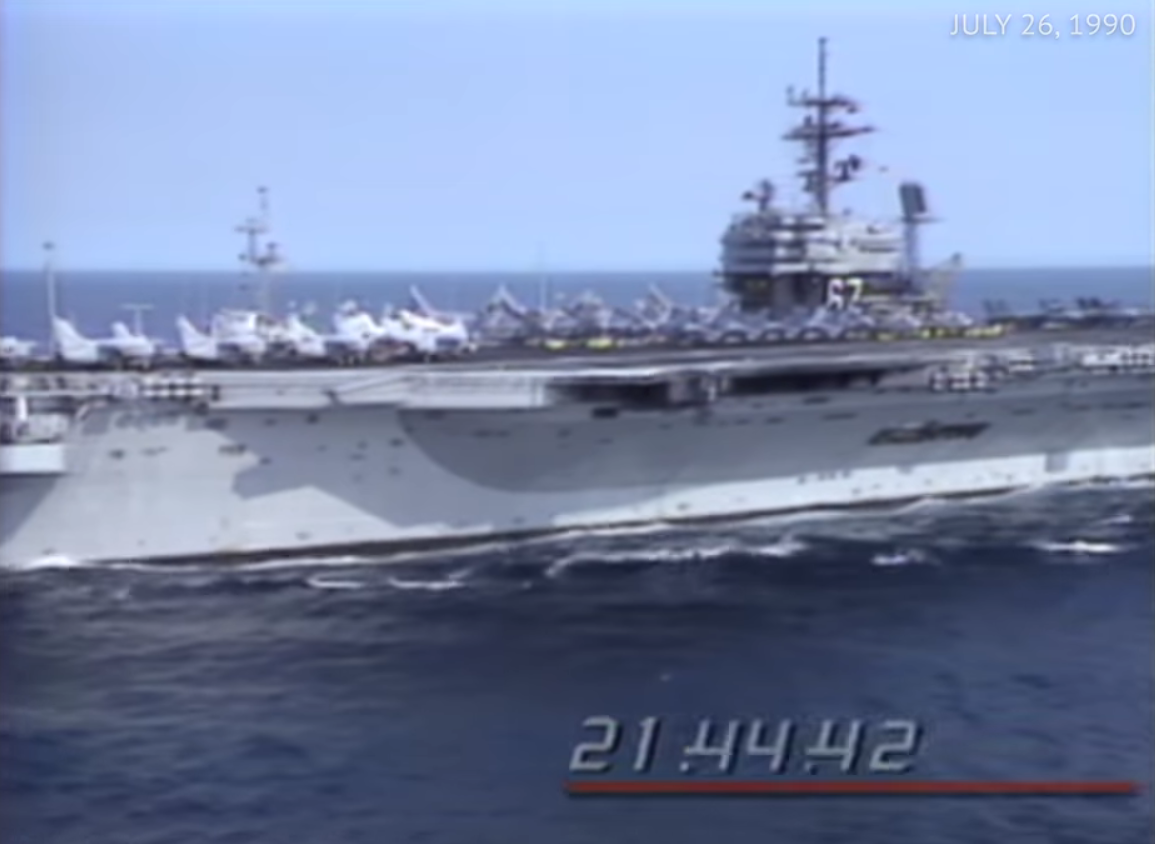
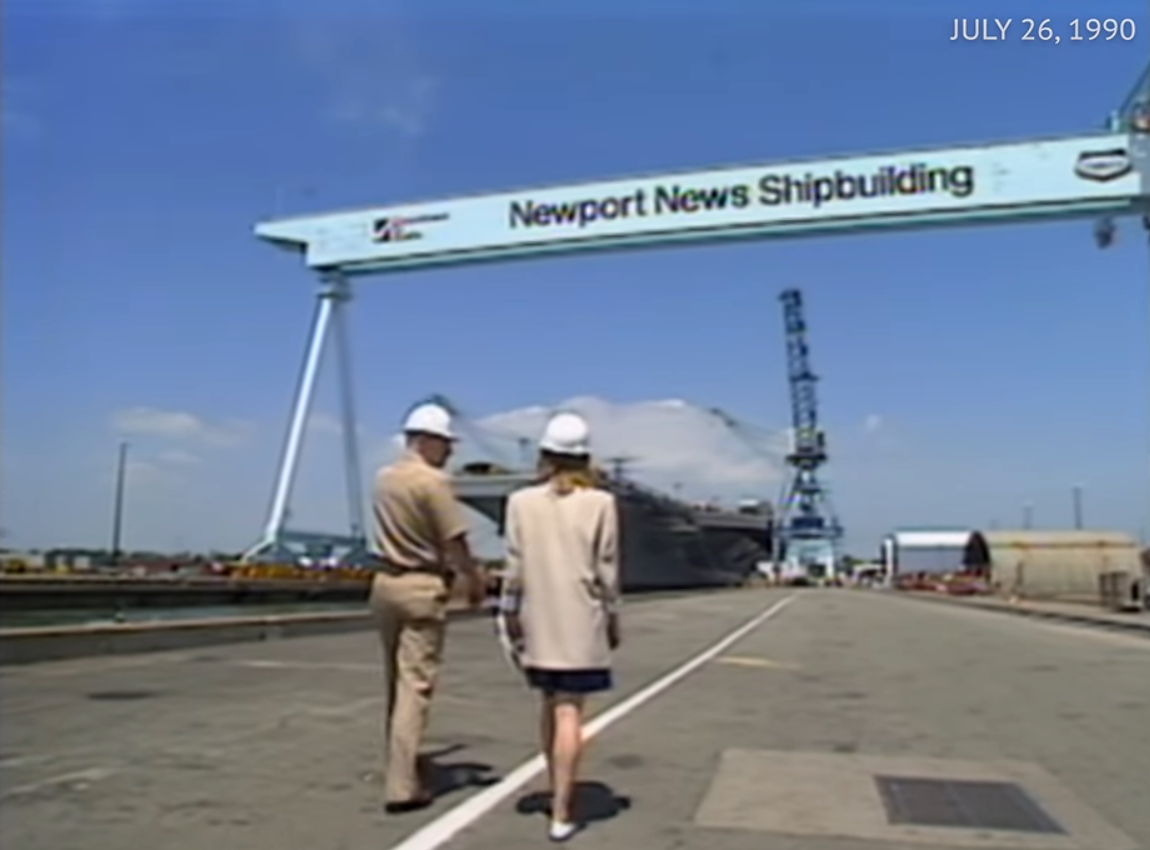
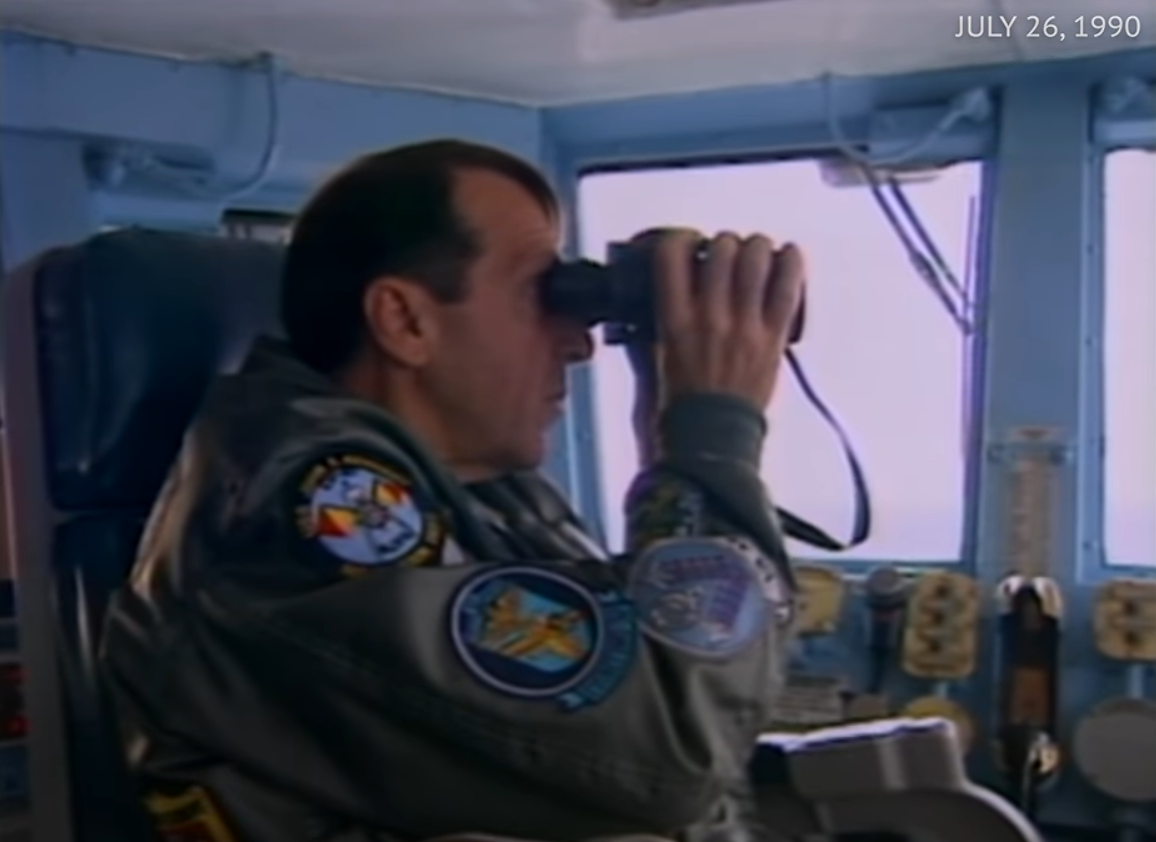
For the ship’s commanding officer, Captain Herb Brown, the mission remains unambiguous.
“My opinion is… the mission of this ship is to ensure that my grandchildren speak English and not Russian,” Capt. Brown says. Addressing skepticism surrounding shifting global dynamics, he remains steadfast in his assessment of potential adversaries: “I see the capability today exactly what it was a year ago. You need to train hard, and we train the ship very, very hard… in order to have the ship ready to fight.”
Life on the Most Dangerous 4.5 Acres in the World
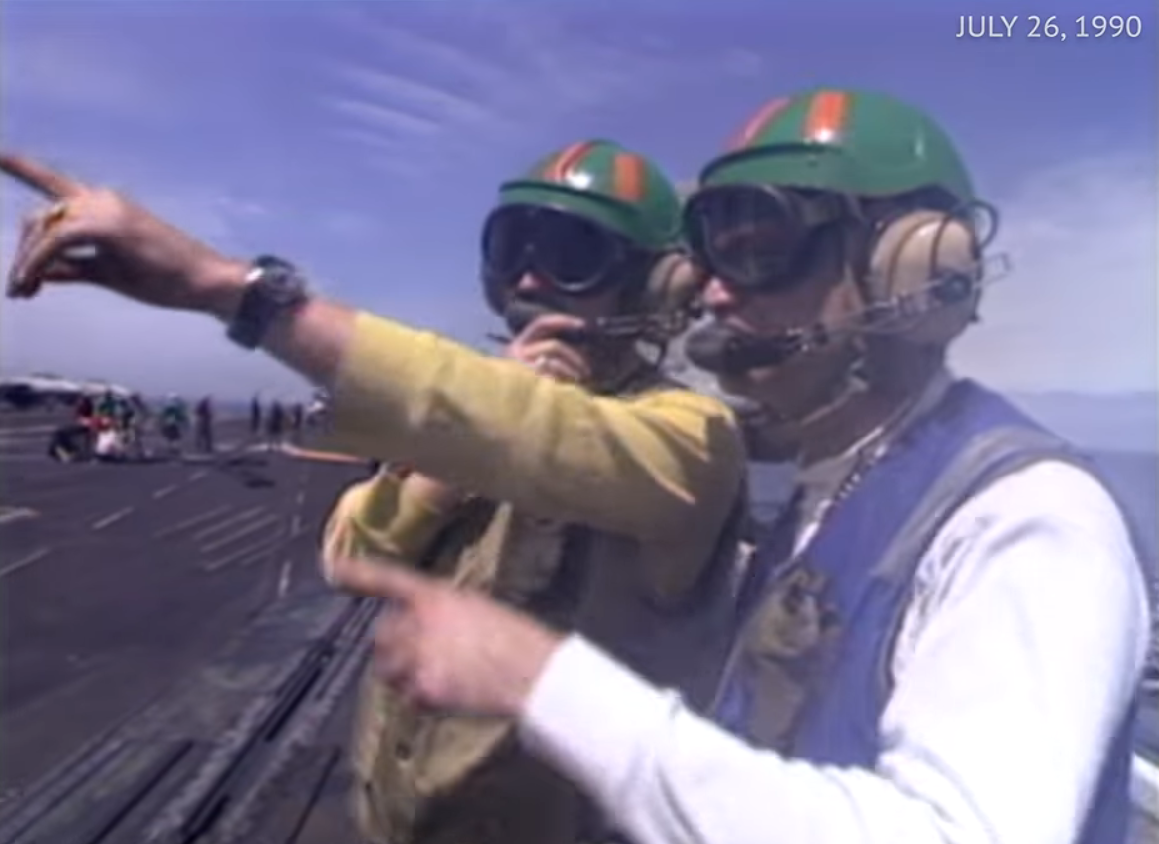
On the flight deck, survival requires absolute vigilance. Flight operations run with the speed of a jet-powered ballet, directed by crew members color-coded by their responsibilities:
- Yellow Shirts: Flight deck directors orchestrating movement.
- Green Shirts: Catapult and arresting gear crews operating 2-million-horsepower slingshots that launch 65,000-pound aircraft from 0 to 150 mph in two seconds.
- Purple Shirts (“Grapes”): Aviation fuel handlers keeping the air wing fed.
- Red Shirts: Ordnance and weapons specialists.
- Blue Shirts: Chock and chain handlers securing aircraft.
- Brown & White Shirts: Line mechanics, safety inspectors, and quality control officers.
“It’s a people eater here,” says Lt. Tom Stubblefield, a catapult “shooter,” pointing out the low-slung jet intakes of an A-7 Corsair II. “This will suck you right out of it.”
The margin for error is non-existent. A single loose bolt or rogue piece of metal can destroy an engine or kill a crew member. Every day begins with a mandatory “FOD walkdown” (Foreign Object Damage), where sailors line up shoulder-to-shoulder to sweep the flight deck clean of tiny debris.
“Cheating Death Again”
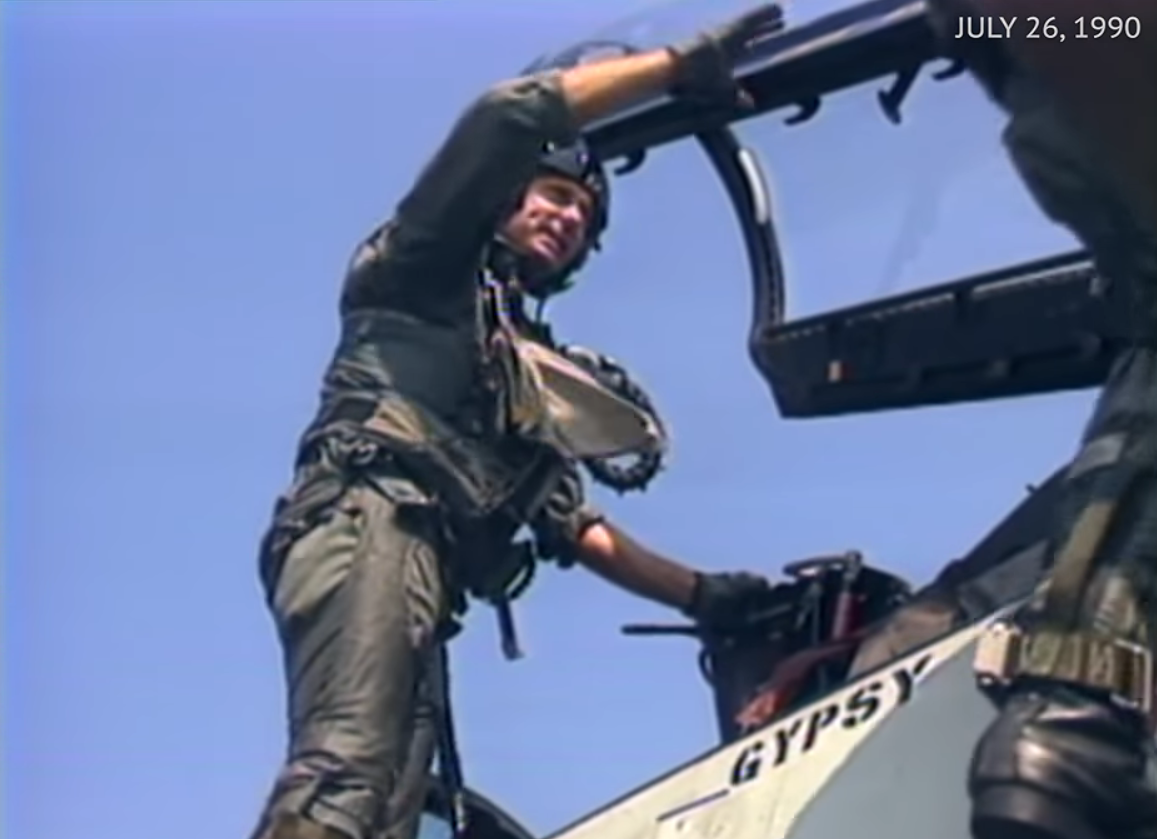
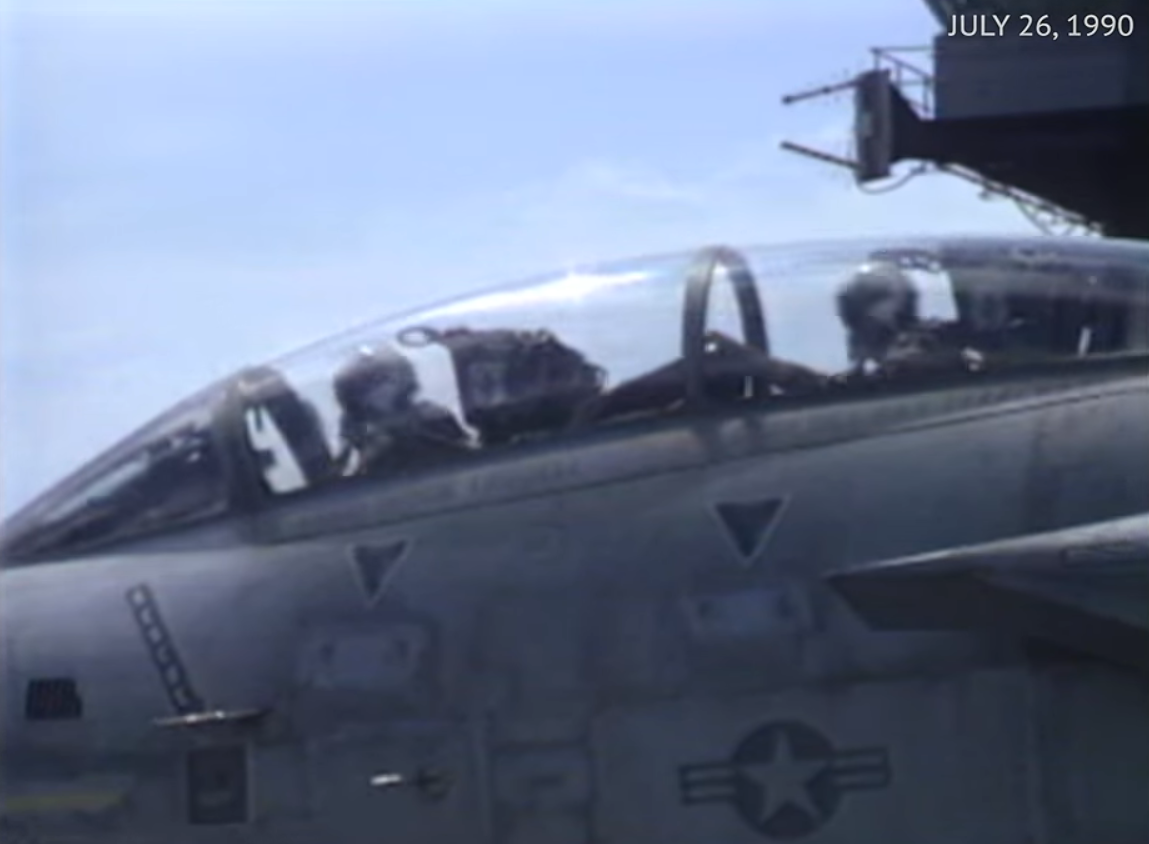
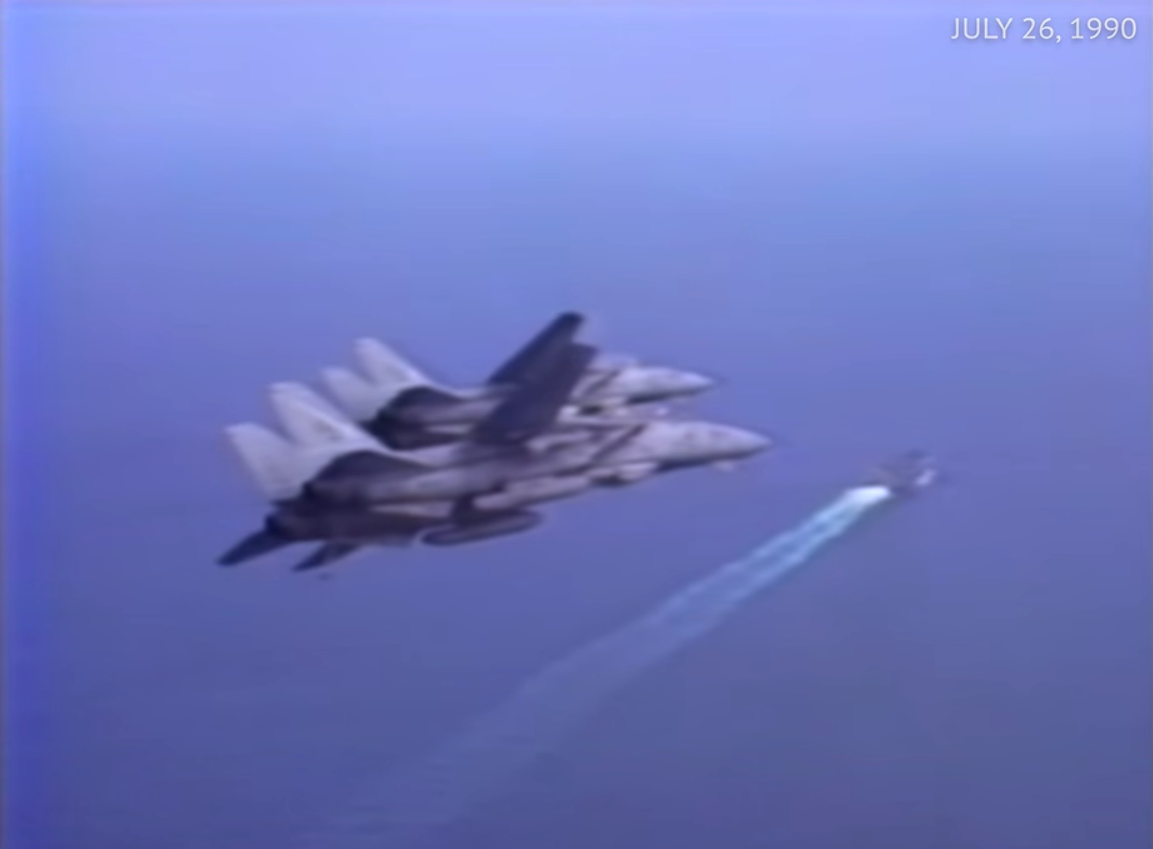
For the pilots of Fighter Squadron 32 (VF-32)—flying the carrier’s premier interceptor, the F-14 Tomcat—the constant proximity to danger is a stark reality of the job.
“You train… for game day, if you will,” says Lt. Cmdr. Bob Davis, a veteran pilot leading training engagements against U.S. Air Force F-15 Eagles. “There’s always that doubt in the back of your mind how you’re going to perform on game day.”
When asked about the risk of mortality in naval aviation, Davis offers a perspective shared by many in the squadron: “I don’t really fear death. It’s not doing my job and failing… that has always been my biggest fear.”
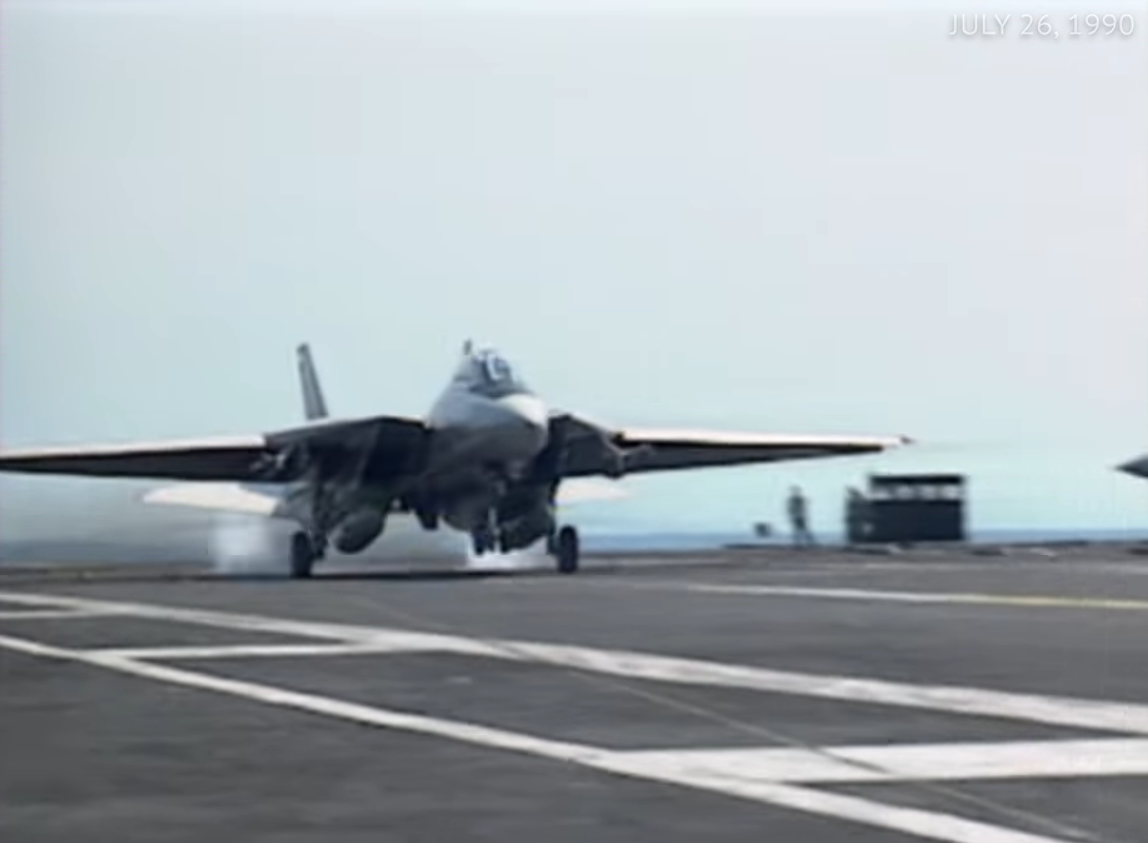
That pressure culminates in the “controlled crash” of a carrier landing, where pilots must catch one of the steel arresting cables stretched across the moving deck. Miss the wires, and the pilot must immediately hit full afterburners to climb back into the sky for another attempt—a maneuver that leaves even seasoned aviators with their hearts in their throats.
The City Below the Deck
Beneath the roar of the flight deck lies a second, vast enterprise. The USS Kennedy operates as a self-contained floating city complete with its own fire department, bank, post office, daily newspaper, television station, and legal system. In a single 48-hour period, the mess halls serve 1,480 pounds of hamburger, 1,200 dozen eggs, and 4,000 gallons of milk to keep the crew fed.
Deep in the lower decks live the “snipes”—the engineers and electricians who maintain the ship’s massive propulsion systems, working 12-hour shifts without ever seeing daylight.
“They made the movie about Top Gun, not top engineer,” jokes Chief Warrant Officer Al Cordero, acknowledging the unsung work that keeps the carrier operational.
Whether working 100 feet above the waves on a slick flight deck or deep inside the steel hull alongside jet fuel lines, the thousands of sailors aboard the Kennedy share a singular commitment to keeping the warship mission-ready.
As one crew member put it after a grueling day of launches: “The feeling that you’ve cheated death again is a good one. It makes life worth living.”