






I’m sitting in my office, the familiar hum of the server rack under my desk providing a steady, mechanical white noise. On the screen, a C# error log is scrolling—a reminder that game development is rarely as graceful as the aircraft it tries to simulate. Outside, a Philadelphia spring storm is rattling the windowpanes, but my focus is entirely on a digital cockpit.
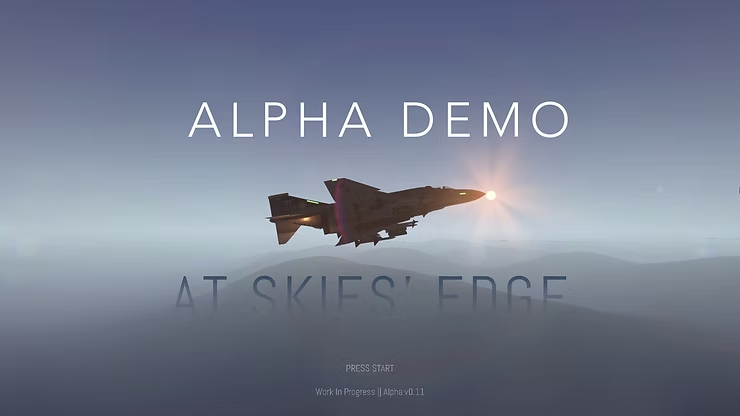
For 530 days, Mackerel Sky was silent. No flashy trailers, no social media teasers. In an industry that usually survives on constant hype, that kind of quiet is unnerving. It led to plenty of speculation that the project had stalled. But this week, that silence was broken with the release of the At Skies’ Edge: Alpha Demo (v0.11a). It isn’t just a minor update; it’s a fundamental argument for why technical depth matters in a genre that has, for too long, leaned on simplicity.
Moving Beyond the “On-Rails” Experience
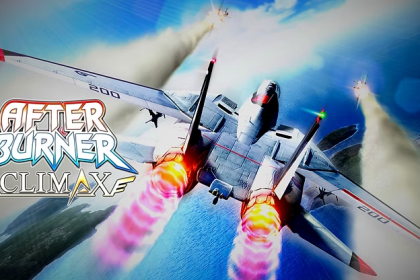
Let’s be honest about the state of flight action games over the last decade. Many major titles have moved toward a model that prioritizes accessibility over physics. They offer a flight experience that feels strangely frictionless, where the aircraft stays perfectly level and the computer handles the heavy lifting of energy management. It’s “flying” in the same way a roller coaster is “driving”—you’re along for the ride, but you aren’t truly in control.
At Skies’ Edge (ASE) takes a different path. It reintroduces the concept of consequence. If you try to pull a high-alpha turn while your airspeed is bottoming out, the airframe doesn’t just “game” the physics to keep you upright. It stalls. Your HUD flickers, your engines groan, and you have to actually fight the controls to regain level flight. It’s demanding, yes, but it’s also remarkably honest.
Air Supremacy vs. “Sambush”: US Super Hornets Over Dezful
The skies over western Iran have become a playground for U.S. Navy…
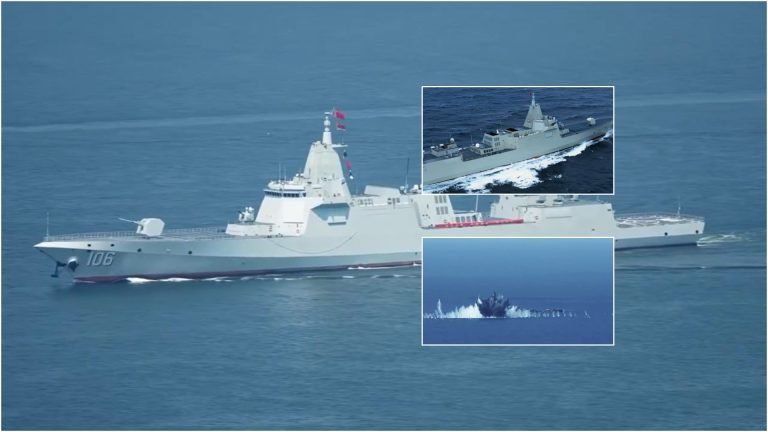
China’s PLA Navy just flexed hard: 10 Type 055 “super destroyers” now in the water, each packing 112 vertical launch cells loaded with hypersonic missiles that can scream 2,000 km.
That's not a fleet update. That's a statement. The post from PLA…

The Middle East is Exploding: IRGC Hammers US Fifth Fleet as Iran’s New Leader Slams the Door on the Strait of Hormuz
Just days after the world watched the dust settle from the assassination…

The White-Collar Collapse: Why the AGI Arrival Means Your Job Is Dying
The window to "prepare" just slammed shut. The era of the comfortable…
THE LAST DANCE: Why is the Navy’s Oldest Warhorse Racing Toward The Caribbean?
The USS Nimitz is basically the "Old Man" of the ocean, and…

Critical Fortinet FortiClient EMS flaw exploited for Remote Code Execution
Attackers are exploiting a critical Fortinet FortiClient EMS flaw (CVE-2026-21643) that…
A Hangar Defined by Personality, Not Just Numbers
The demo offers three aircraft, and the developers have managed to give each one a distinct physical presence. This isn’t just about different top speeds or missile counts; it’s about how they move through a simulated atmosphere.
The F. GR-4 is the heavyweight of the bunch. It’s a swing-wing attacker that carries its momentum like a freight train. It hates to turn, and it punishes you for trying to use it like an interceptor. You have to fly it with a sense of geometry, planning your attack runs miles in advance.
On the other end of the spectrum is the I-29A, the star of this build. It is currently the only aircraft capable of Post-Stall Maneuvers (PSM). This isn’t a scripted animation triggered by a button press. It’s a delicate, manual balancing act of airbrakes and throttle. Mastering a Pugachev’s Cobra maneuver to force an enemy to overshoot feels like a genuine achievement because the game doesn’t do it for you.
Hardpoints and Tactical Trade-offs
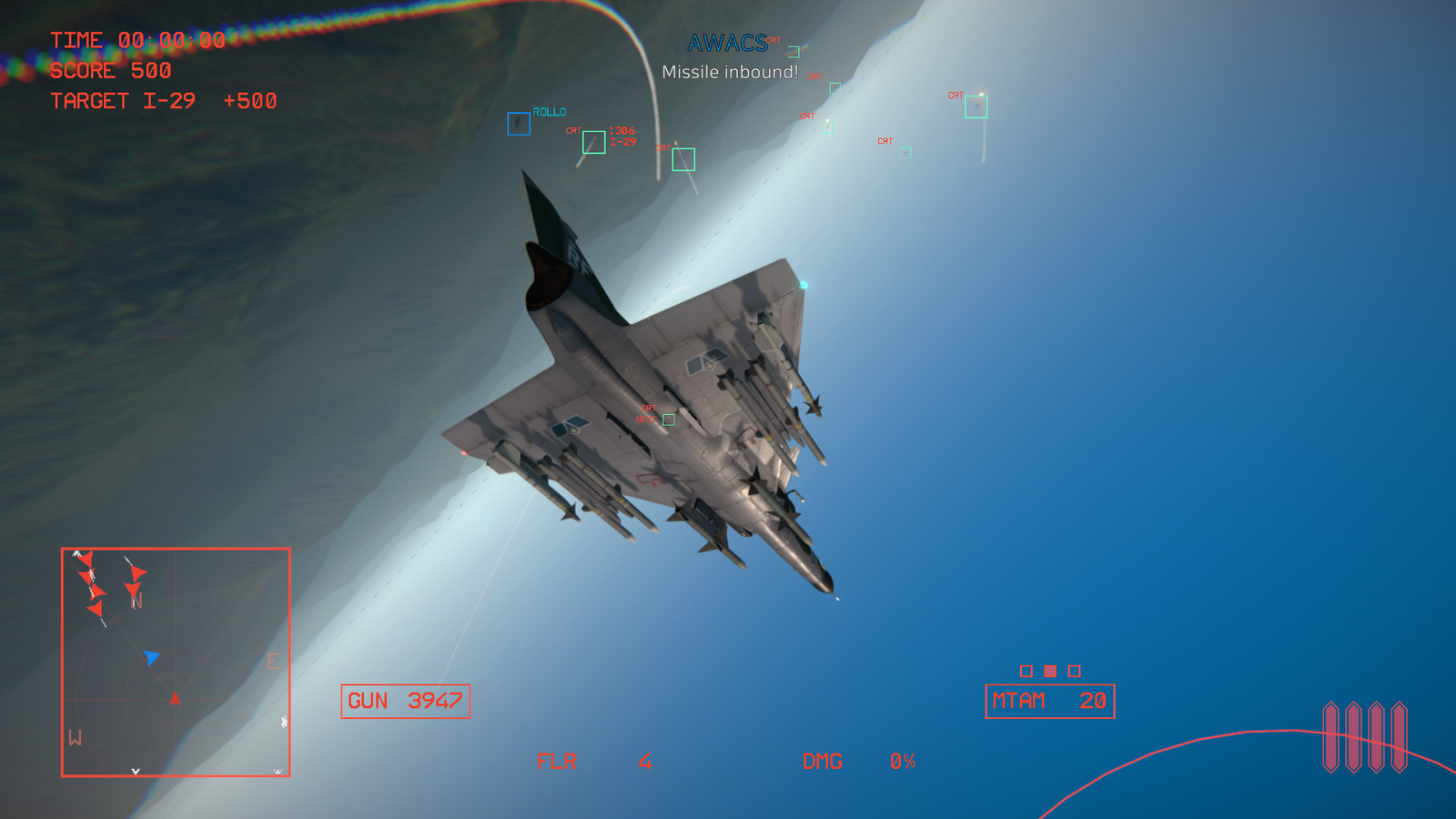
The v0.11a update introduces a Weapon Hardpoint System that brings a needed layer of strategy to the pre-flight screen. In most arcade-style flight games, you carry a massive, invisible stockpile of special weapons. Here, you have to look at your wings.
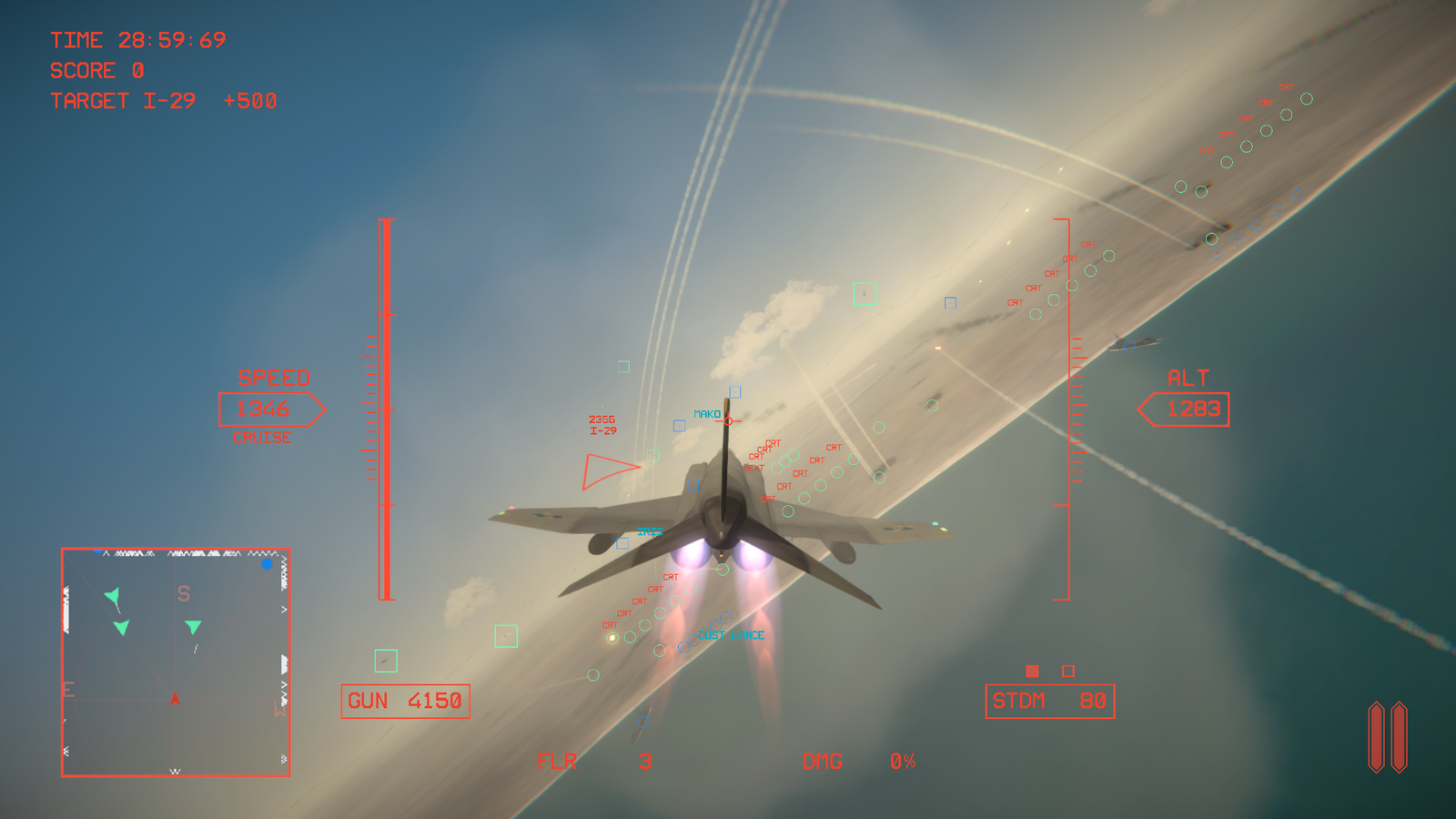
You have four hardpoints. If you want to carry heavy anti-ship ordnance for the massive “Aerial Fortress” boss encounter, you’re going to have to leave some air-to-air missiles behind. This makes you vulnerable to the fortress’s escort wings. It forces the player to ask: “What is my specific role in this mission?” It’s a simple change that shifts the focus from mindless shooting to tactical planning.
The Technical Foundation: Flight V3
The long period of silence was reportedly due to a total overhaul of the game’s physics engine. I spoke with a source close to the project who described the developer’s obsession with the Flight V3 system. They didn’t want the throttle to be a binary switch.
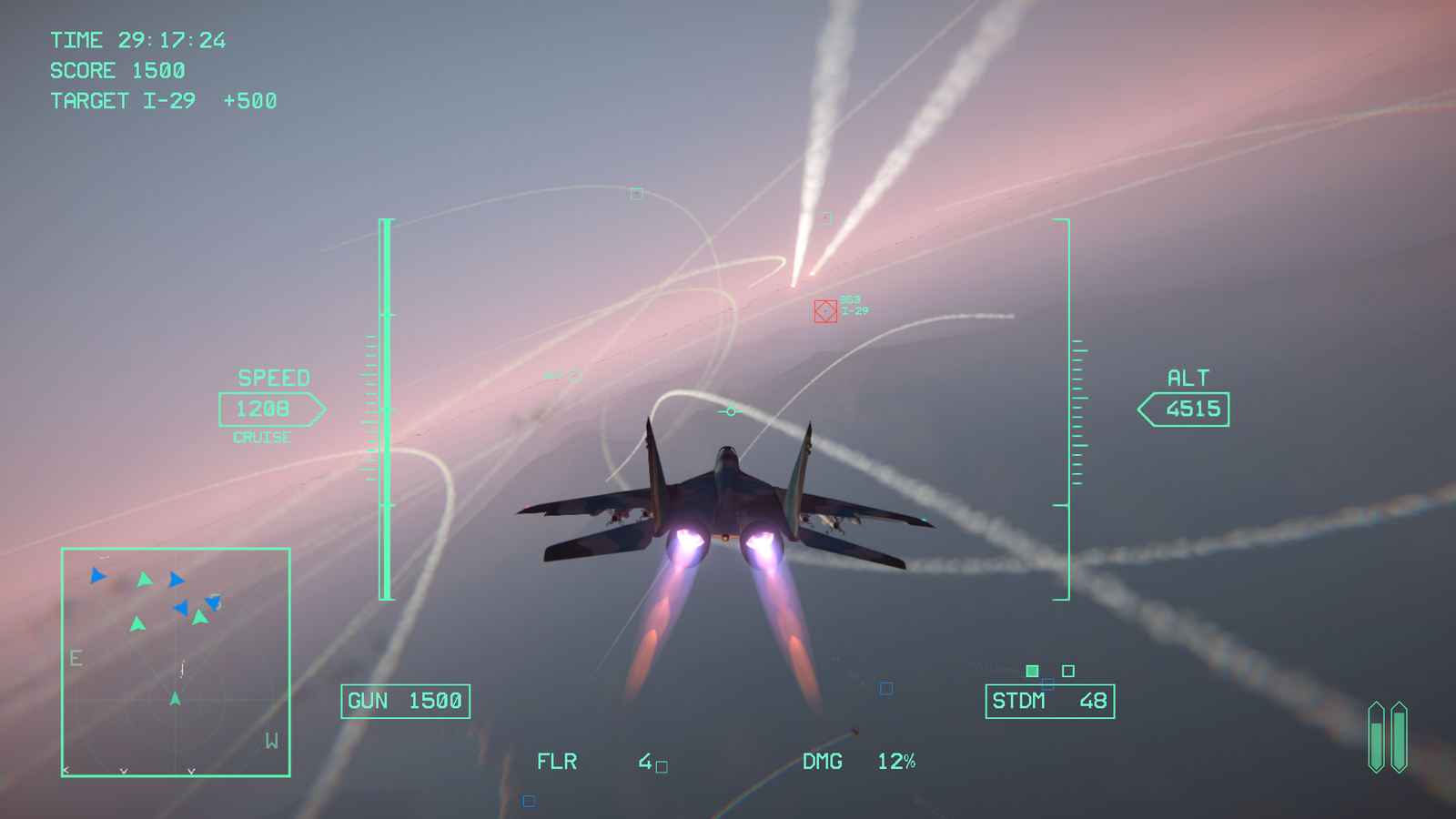
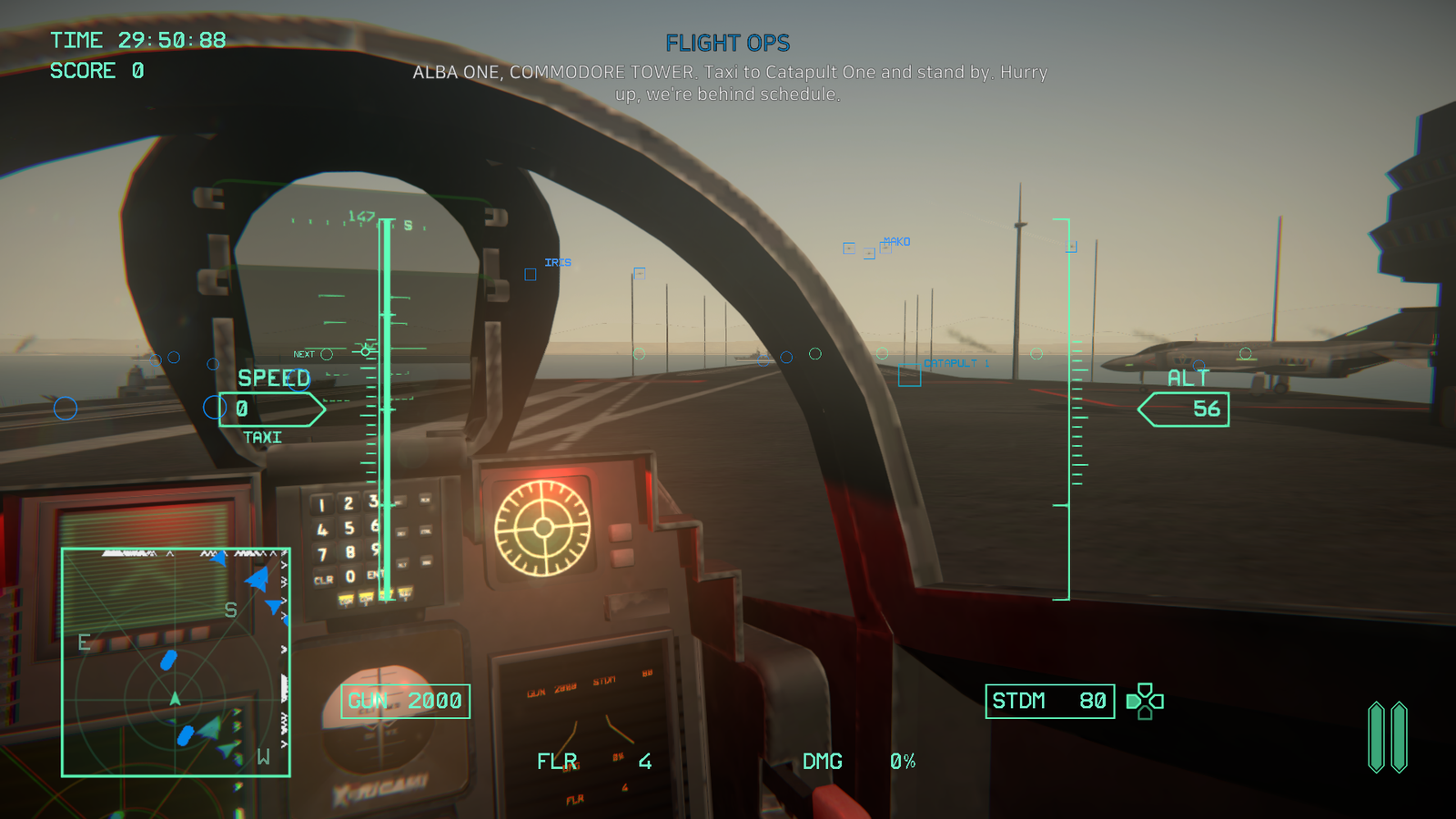
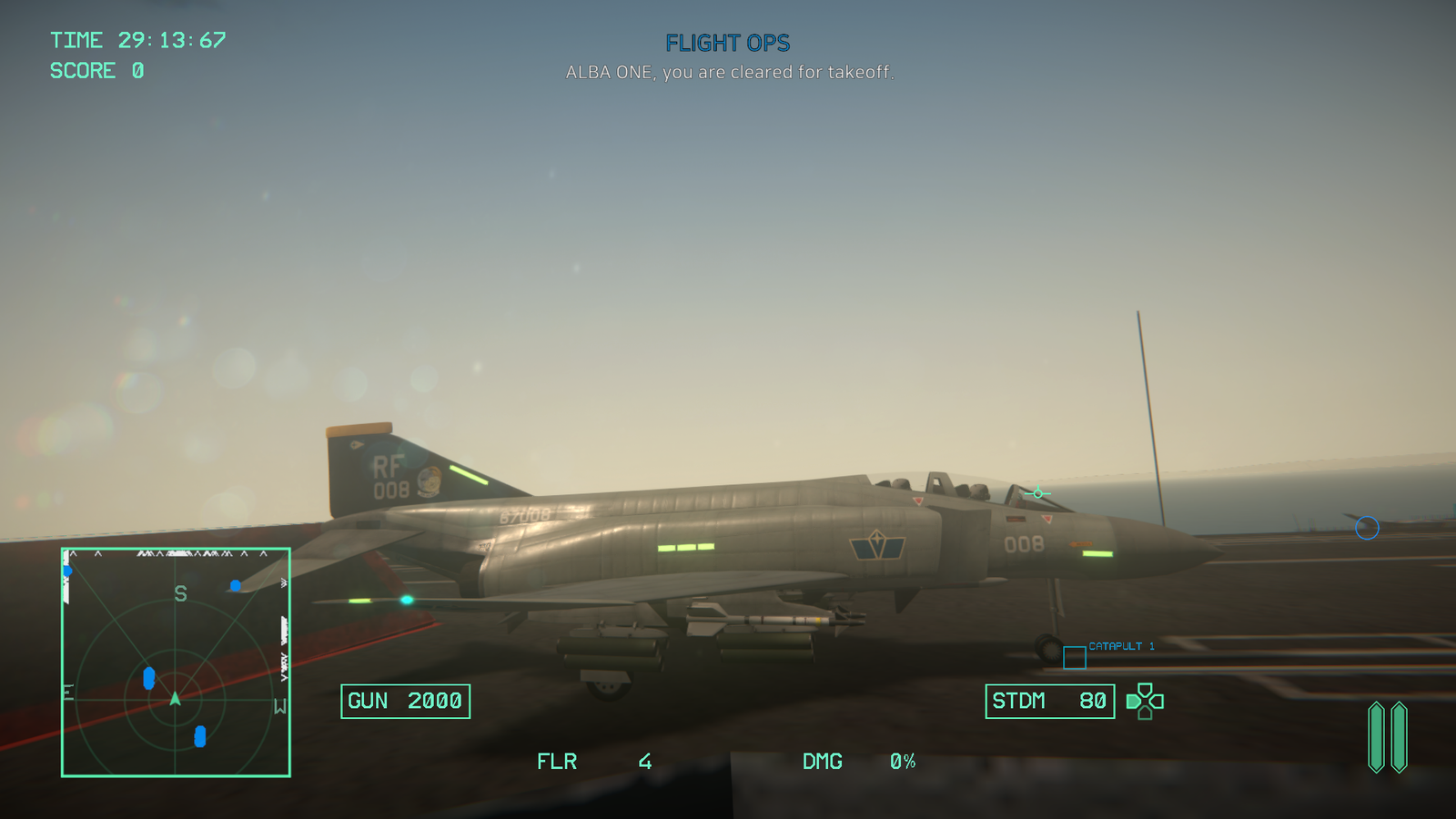
You can feel that work when you fly. The HUD features a “blue zone” for Optimal ACM (Air Combat Maneuvering) Speed. Staying in that zone is a constant struggle of throttle feathering. If you go too fast, your turn radius expands and you lose your tactical advantage. If you’re too slow, you’re a sitting duck. It’s a twitchy, tactile experience that requires constant attention.
The “Warts and All” of an Alpha Build
Being an alpha, the demo has its share of rough edges. I spent twenty minutes trying to figure out why my flight stick was causing the camera to spin in circles—a known driver conflict that the small team is still ironing out. The UI can be temperamental, and the voice acting has that distinct “recorded in a spare bedroom” quality.
But these are the growing pains of a project with a clear identity. I’d take a slightly unpolished, ambitious alpha that respects my intelligence over a sterile, over-simplified sequel any day. The indie flight community is currently where the most interesting work is happening because developers like Mackerel Sky aren’t afraid to let the player fail.
Looking Toward the Horizon
Mackerel Sky is targeting a full release in 2027. They have a long list of features to add—more missions, a larger roster of planes, and more of those massive, multi-stage aerial boss fights. The challenge will be maintaining this specific balance. There will be pressure to make the game easier for a wider audience, or conversely, to make it so complex it becomes a niche simulator.
The magic of At Skies’ Edge right now is that it occupies the middle ground. It’s accessible enough to pick up, but deep enough to spend hours mastering. If they can stay on that line, they won’t just release another game; they might actually revitalize a genre that has been stuck in a holding pattern for years.
The rain is still hitting my office window, and the coffee has gone cold, but I’m jumping back in for one more sortie. The sky finally feels like it has some weight again.
The Technical Brief (FAQ)
- Where can I find the demo? It is currently hosted on Itch.io. Search for Mackerel Sky to find the v0.11b build.
- What are the system requirements? The game is surprisingly efficient, targeting 8GB of RAM. However, the volumetric clouds (which you can use for tactical cover) will require a decent GPU to stay smooth.
- Is there HOTAS support? Yes, though it’s still in the “experimental” phase. If you encounter menu loops, try disconnecting your peripherals and using a gamepad for the initial setup.
- Where is the A-10? While not in the current flight roster, the F. GR-4 offers a similar “heavy-attacker” feel that should satisfy fans of Close Air Support (CAS).