







In the 2026 landscape of software engineering, Cursor AI has emerged as the definitive tool for high-velocity development. However, a common narrative has surfaced—driven by the platform’s incredible synergy with Eastern LLMs—that Cursor is a Chinese innovation.
In reality, Cursor is developed by Anysphere, a San Francisco-based startup. The confusion persists because Cursor was the first major IDE to flawlessly integrate “reasoning” models like DeepSeek-V3 and DeepSeek-R1. While the editor is American, its ability to harness China’s most efficient coding logic has made it a global bridge for AI-native programming.
Beyond the Chatbot: Why Cursor Dominates
Unlike traditional editors that simply “bolt on” a chat window, Cursor is a VS Code fork rebuilt from the ground up for agentic workflows.
1. The Agentic Composer
The standout feature in 2026 is Composer 1.5. It doesn’t just suggest snippets; it handles multi-file refactors autonomously. By using a “Plan-Execute-Verify” loop, it can update your frontend, backend, and database schema in one coordinated sweep.

The Silent Wingman: How Fox3 Managed Solutions is Rewriting the Flight Sim Server Playbook
If you’ve spent any time in the virtual skies of Digital Combat…

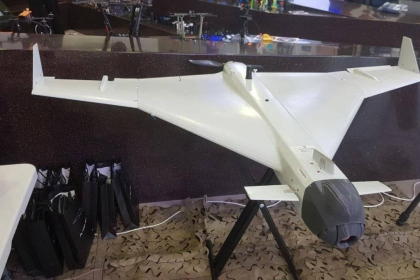
Belgorod Strike: Kamikaze Drone Hits Government Building Entrance
March 31, 2026 — A terrifying moment was caught on camera today…

It’s a mystery … alleged unpatched Telegram zero-day allows device takeover, but Telegram denies
A critical Telegram flaw could allow zero-click remote code execution on devices,…
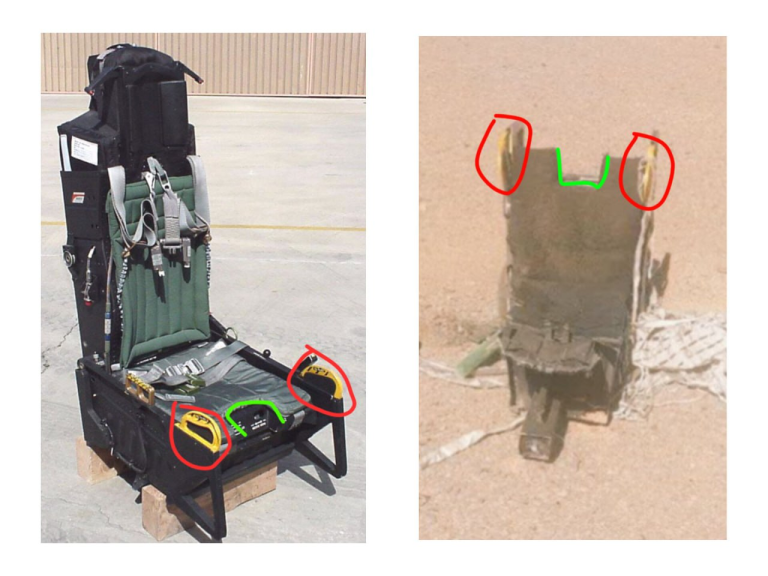
Iranian Forces Recover Ejection Seat in Hunt for Missing Strike Eagle Crew; Search Intensifies
KHUZESTAN PROVINCE, IRAN – Iranian state media has released images of a…

World’s First Humanoid for Domestic Chores Hits the Market
In a move that feels straight out of a mid-century sci-fi novel,…

Missing Juvenile Amirah Mosley from the 26th District Has Been Located
Authorities in Philadelphia are requesting the public’s assistance in locating 14-year-old Amirah…
2. Shadow Workspaces
Cursor eliminates the “broken build” cycle through Shadow Workspaces. In the background, AI agents test code and run linters in a hidden environment. You only see the code once the AI has verified it actually works, preserving your flow state.
3. Proprietary “Tab” Prediction
While it supports external APIs, Cursor uses a custom, low-latency model for Tab Autocomplete. It predicts entire logic blocks—not just the next word—allowing developers to act more like architects than typists.
A Model-Agnostic Powerhouse
The brilliance of Cursor lies in its neutrality. Developers can toggle between Claude 3.5 Sonnet for creative problem-solving and DeepSeek-R1 for hyper-efficient, low-cost logic. This flexibility ensures that no matter where the next breakthrough in AI happens—be it Silicon Valley or Beijing—Cursor users are the first to benefit.
The Verdict: Cursor isn’t just a Chinese-model powerhouse; it is the definitive interface for the next era of software engineering.
The “model-agnostic” nature of Cursor is its greatest strength in 2026. By choosing the right model for the right task, you can maximize your $20/month Pro credit pool or minimize overage costs.
Below is a breakdown of the most cost-effective API models currently available within the Cursor ecosystem for 2026, categorized by their primary strength.
2026 Cursor Model Cost-Effectiveness Table
| Model Name | Strength | Input Cost (per 1M) | Output Cost (per 1M) | Best For |
| DeepSeek-V3.2 | Best Value | $0.28 | $0.42 | Everyday coding, logic, and debugging. |
| Gemini 2.0 Flash-Lite | Cheapest | $0.075 | $0.30 | Simple scripts, boilerplate, and documentation. |
| Claude 3.5 Sonnet | Versatility | $3.00 | $15.00 | Complex UI/UX and nuanced refactors. |
| GPT-5 Mini | Speed | $0.25 | $2.00 | Fast autocompletion and unit test generation. |
| DeepSeek-R1 | Reasoning | $0.14 | $0.42 |