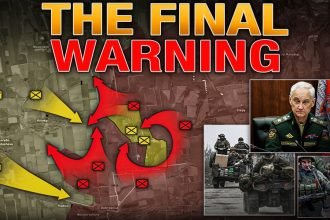







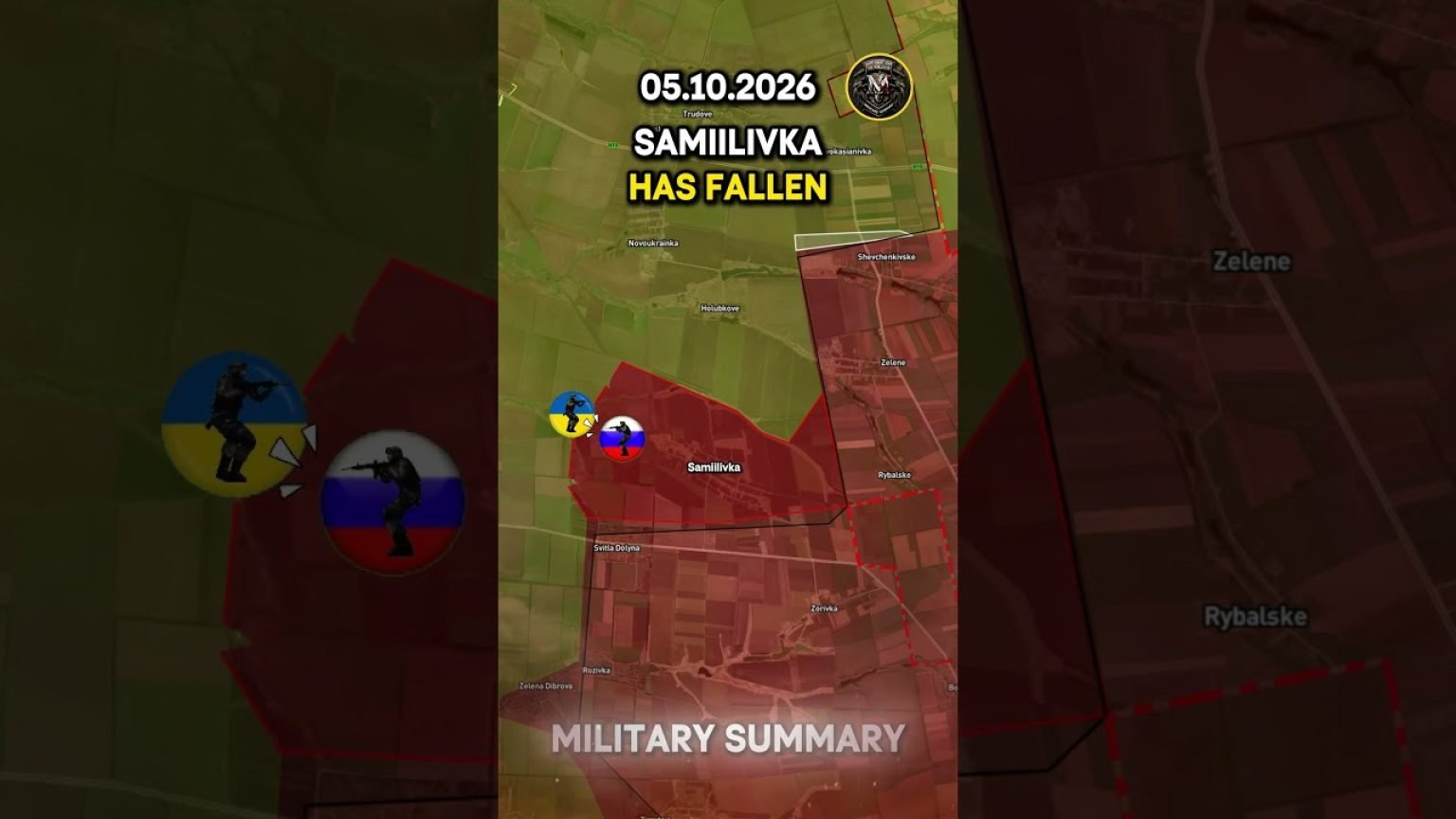
As the conflict in Eastern Europe grinds through another grueling phase of attrition, the tactical landscape across the primary zones of contact continues to shift. Recent front-line reports indicate a critical consolidation of positions by advancing forces, most notably highlighted by the capture of Samiilivka. This development underscores the relentless nature of ongoing positional warfare, where tactical gains are measured in fortified trenches, contested ridgelines, and hard-fought settlement strongpoints. Military analysts tracking the theater note that incremental shifts are creating new vulnerabilities along extended supply lines, forcing both commands to constantly adapt their operational reserves and logistics networks.
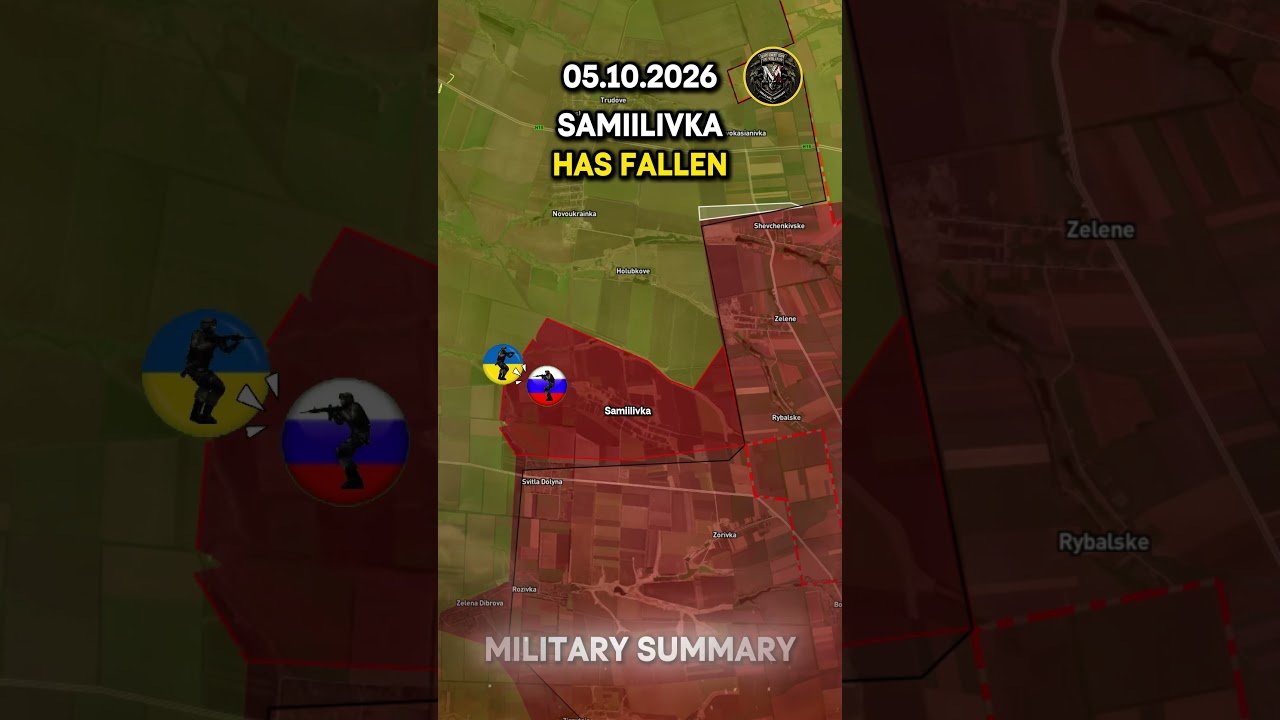
Tactical Breakdown of Front-Line Shifts
The recent engagement leading to the fall of Samiilivka illustrates the persistent challenges faced by defenders attempting to hold fragmented positions under intense artillery and drone-directed bombardment. Ground maneuver elements continue to rely heavily on small-unit infiltration tactics backed by heavy mechanized support where terrain permits. According to assessments from organizations monitoring the theater, such as the Institute for the Study of War, mechanized assaults are increasingly preceded by heavy electronic warfare suppression to blind tactical reconnaissance units.
Key developments across the active sectors include:
- Samiilivka Sector: Sustained pressure on the flanks has forced defending units to execute controlled withdrawals to secondary fortified defensive lines to avoid encirclement.
- Logistics and Supply Vulnerabilities: Muddy terrain conditions and persistent aerial surveillance continue to hamper rapid reinforcement, placing a premium on resilient supply routes and decentralized ammunition depots.
- Counter-Battery Duels: Artillery units on both sides remain engaged in high-intensity counter-battery exchanges, heavily influencing the pacing of infantry advances and mechanized deployments.
Weapons Systems Performance and Technological Adaptation
The modern battlefield continues to serve as a high-stakes testing ground for advanced military technology, munitions, and defensive systems. First-person view (FPV) loitering munitions have become ubiquitous, fundamentally altering how armor and infantry squads operate within striking distance of the contact line. Ground forces have had to rapidly improvise field-expedient countermeasures, such as heavy anti-drone screening cages on armored fighting vehicles, commonly referred to as “cope cages,” alongside advanced electronic jamming suites.
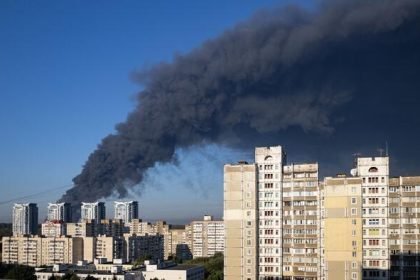
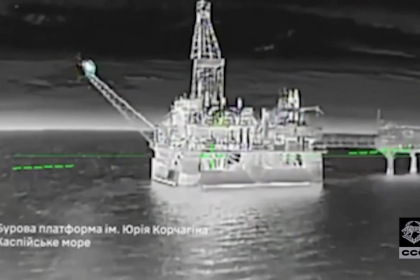
Furthermore, precision-guided artillery and long-range rocket systems continue to dictate the depth of the battlefield. Interdiction strikes targeting rear-area logistics hubs, fuel storage facilities, and command nodes remain central to disrupting operational momentum. Official updates and ongoing capability reviews regularly published by institutions like the U.S. Department of Defense emphasize the critical importance of sustained ammunition production, spare parts supply chains, and maintenance infrastructure to keep complex Western and Soviet-legacy systems operational in high-wear environments.

European Commission probes cyberattack on mobile device management system
The European Commission is investigating a cyberattack after detecting signs that its…

2,000 Pairs of Underwear Were Turned Into a Giant Soil Experiment and the Results Were Surprisingly Revealing
Slightly or heavily decomposed? The more active the soil organisms, the faster…

Massive Star Wars Secret Uncovered: This Was Actually The Plan All Along
The sprawling narrative of a galaxy far, far away has always thrived…
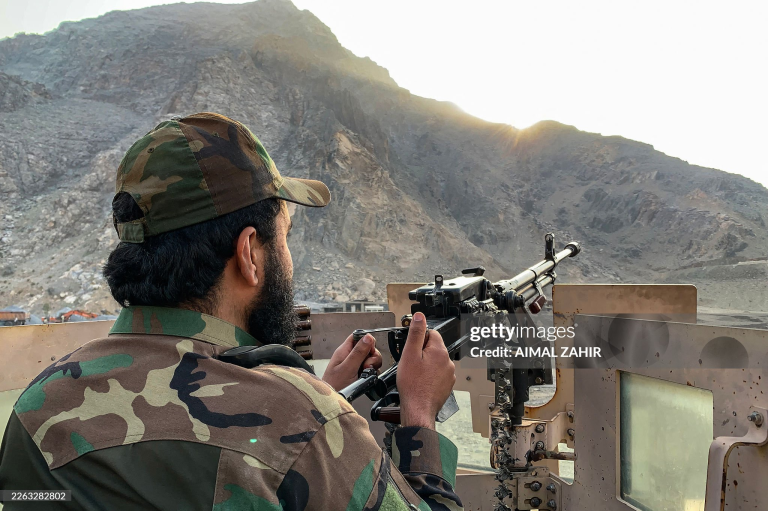
SAUDI DEFENSE PAPER TIGER: FOREIGN CONTRACTORS AND INTEL LEAKS IN YEMEN
RIYADH — As geopolitical volatility escalates across the Arabian Peninsula, Saudi Arabia’s…
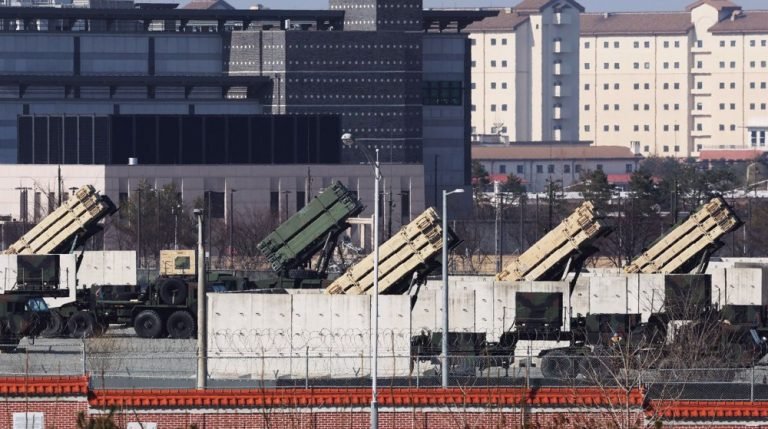
PATRIOT MISSILE SHORTAGE: FOUR-YEAR DELAY LOOMS FOR DEFENSE GIANT ORDERS
WASHINGTON — Pentagon planners and foreign military attachés face a sobering industrial…

Turkey Recruits Trump Insiders For New Washington Lobbying Push
Via Middle East Eye The Turkish government hired a lobbying firm with close ties…
Strategic Outlook and Geopolitical Implications
Looking toward the broader strategic horizon, the ongoing campaign of attrition shows few signs of immediate deceleration. Both belligerents are locked in a grinding contest of industrial capacity, manpower generation, and technological innovation. The ability to sustain high-tempo combat operations through upcoming seasonal weather shifts will likely determine operational outcomes for the remainder of the year.
International defense alliances, including member states coordinating through frameworks referenced by NATO, continue to evaluate aid packages and long-term security commitments. As the conflict evolves, the integration of autonomous systems, real-time intelligence sharing, and multilayered air defense networks will remain paramount for strategic endurance. Analysts emphasize that breakthroughs will require not just tactical persistence, but a decisive advantage in electronic warfare superiority and deep-strike capabilities to systematically dismantle opposing rear-area architectures.