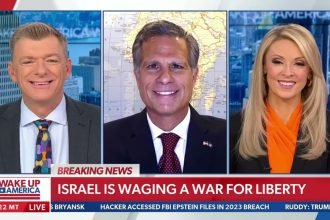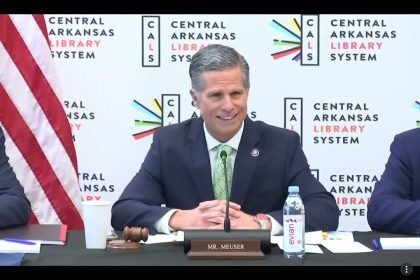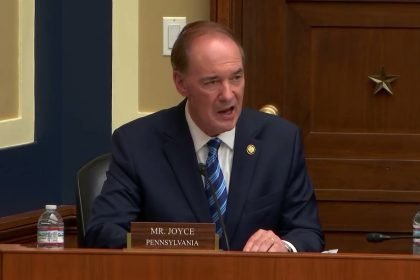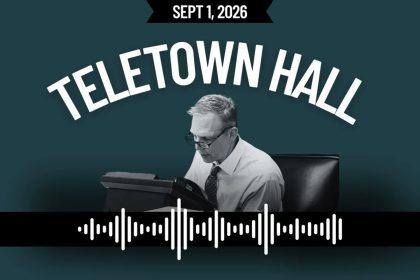







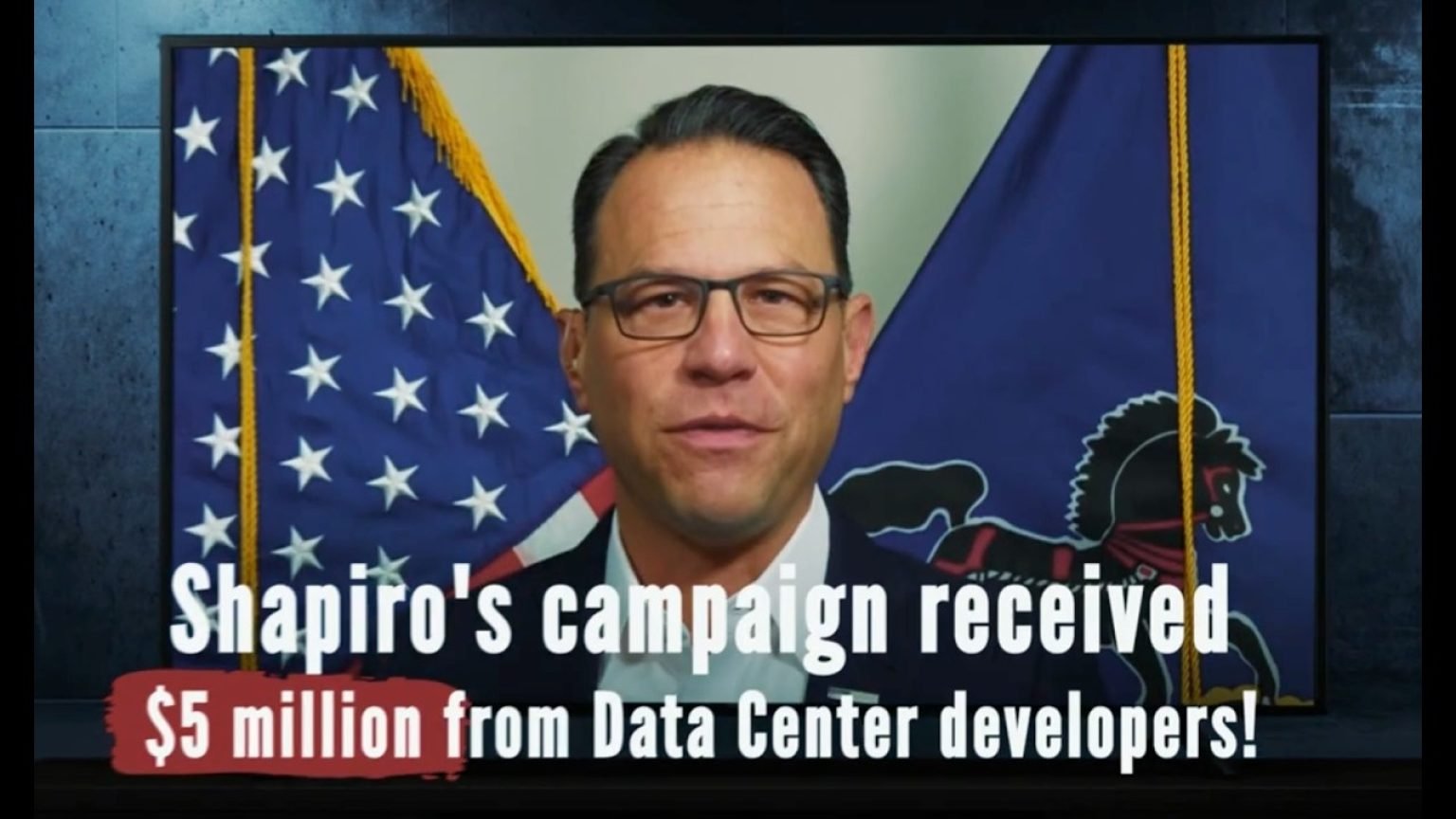
As Capitol Hill navigates a contentious legislative calendar filled with high-stakes committee hearings, fiscal policy battles, and intense partisan division, federal lawmakers continue to use every available platform to shape the national narrative. In a recent media appearance and ongoing legislative debates, key members of the U.S. House of Representatives are pressing forward with critical policy agendas aimed at addressing some of the country’s most pressing economic, regulatory, and constitutional concerns. These developments highlight the ongoing friction between Capitol Hill lawmakers and the executive branch, drawing significant attention from voters, lobbyists, and political analysts alike.
Inside the Congressional Debate: Key Policy Positions and Legislative Focus
House lawmakers are currently managing a heavy workload that spans economic oversight, national security, and regulatory reform. Congressional committees have become the primary battlegrounds where members scrutinize federal agency spending, question executive branch overreach, and introduce bills designed to curb bureaucratic growth. For many elected officials, these hearings serve not only as an oversight mechanism but also as a direct line to constituents concerned about government transparency and accountability.
The legislative landscape is heavily influenced by the priorities set within various House committees. Lawmakers tasked with drafting federal budgets, examining commerce regulations, and overseeing financial institutions find themselves at the center of intense policy negotiations. To track these evolving legislative proposals and review official committee schedules, citizens frequently utilize resources provided by Congress.gov to monitor newly introduced bills and floor votes.
![Wanted: Suspects for Commercial Burglary in the 12th District [VIDEO]](https://thephillypi.com/wp-content/uploads/2026/09/Wanted-Suspects-for-Commercial-Burglary-in-the-12th-District-VIDEO-768x469.jpg)
Wanted: Suspects for Commercial Burglary in the 12th District [VIDEO]
The police are investigating a commercial burglary that occurred on February 23,…

USAF Approves FQ-42 & FQ-44 Collaborative Combat Aircraft
The U.S. Air Force has officially approved the General Atomics FQ-42 Vengeance…

China’s First Bamboo Offshore Solar Platform Could Change How We Build for Energy at Sea
For centuries, people along China’s rivers and coasts lashed bamboo together and…
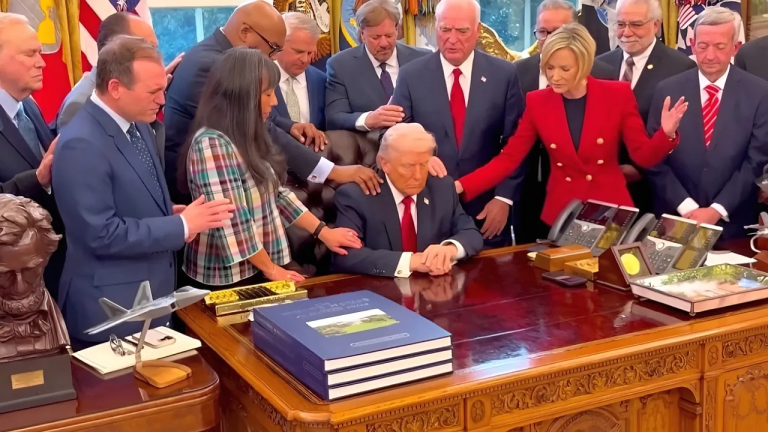
Trump: If the Democrats win the congressional elections, I will be impeached
The rating of the US Republican Party a month before the midterm…

RTX 5080 and Ryzen 7 9800X3D Gaming PC Drops $2,200 to $2,799 in Massive HP Sale
HP Slashing 44% Off High-End Ryzen 7 and RTX 5080 Prebuilt Gaming…
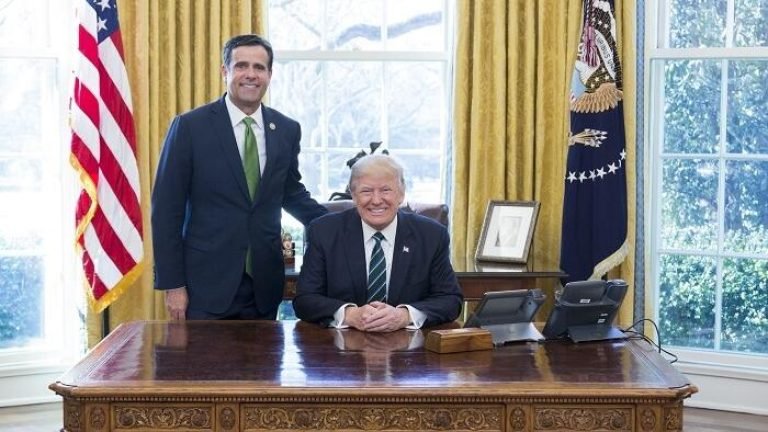
Trump Stuns By Outright Dismissing Notion Putin Preparing To Attack A NATO State
President Trump has added fuel to the fire of controversy and speculation…
The Role of House Representatives in Shaping National Discourse
Members of the House of Representatives play a vital role in translating local district concerns into national legislative strategies. Whether addressing inflation, supply chain vulnerabilities, or energy independence, representatives often leverage media interviews and floor speeches to articulate their policy vision. This dual approach—combining traditional lawmaking with direct public communication—allows lawmakers to rally constituent support while putting pressure on congressional leadership to bring specific bills to the floor for a vote.
Moreover, active engagement in high-profile committee proceedings gives representatives a platform to challenge agency heads and cabinet secretaries directly. By demanding accountability on federal spending and policy implementation, members help ensure that the executive branch remains responsive to the legislative branch of government. Detailed information regarding specific congressional districts, member biographies, and official committee assignments can be found directly on the official portal at House.gov.
Examining the Broader Political Implications
As upcoming electoral cycles approach, the policy debates taking place in Washington D.C. carry profound political implications. Voters are increasingly looking to their elected officials for concrete solutions to persistent economic challenges. Key areas of focus for congressional leaders currently include:
- Restoring fiscal discipline through rigorous oversight of federal agency budgets.
- Advancing pro-growth economic policies designed to encourage domestic manufacturing and job creation.
- Reforming regulatory frameworks to reduce burdens on small businesses and working families.
- Strengthening congressional oversight to ensure transparency and accountability across all levels of government.
Looking Ahead: What to Expect on Capitol Hill
The remainder of the legislative session promises to be marked by intense negotiations as the House works to pass vital appropriations bills and address urgent national priorities. With party margins narrow and the political stakes exceptionally high, leadership on both sides of the aisle will need to navigate complex legislative hurdles to achieve their policy goals. As these debates unfold, the actions and statements of key House members will continue to command national headlines, guiding the trajectory of federal policy in the months ahead.
[tags]U.S. House of Representatives, Capitol Hill News, Congressional Committees, Federal Legislation, Government Accountability, Political Policy, Washington D.C.[/tags]