




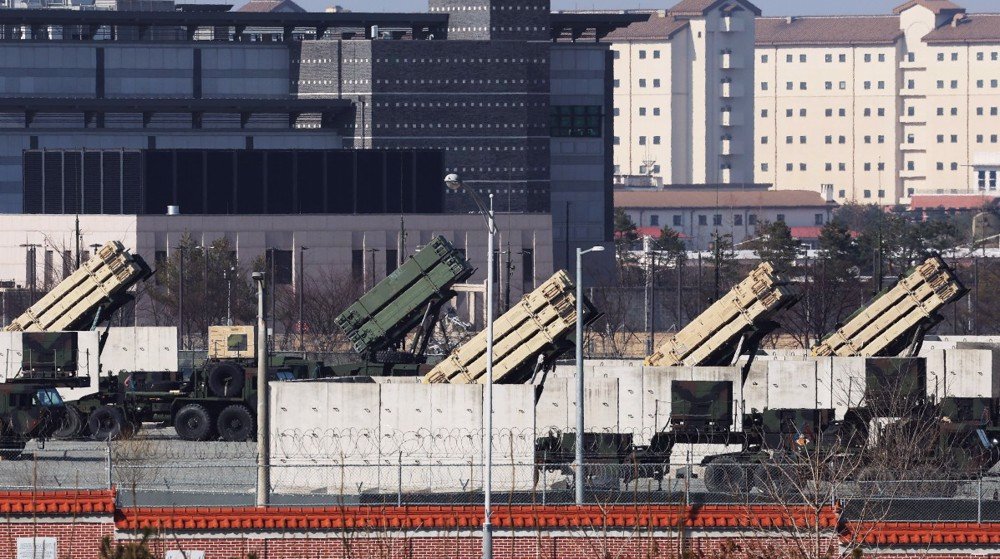
Nearly two weeks into Trump’s reckless plunge into war with Iran, the US is already gasping for ammo, burning through over 1,000 Patriot interceptors that’s double what we crank out in a year just to fend off Tehran’s bargain-basement drone swarms and missiles.
Bloomberg dropped the bombshell report quoting Pentagon insiders and experts: America’s leading the charge in precision strikes? Sure, until the enemy flips the script and hits back with stuff that costs peanuts compared to our gold-plated defenses.
The numbers don’t lie – and they’re brutal.
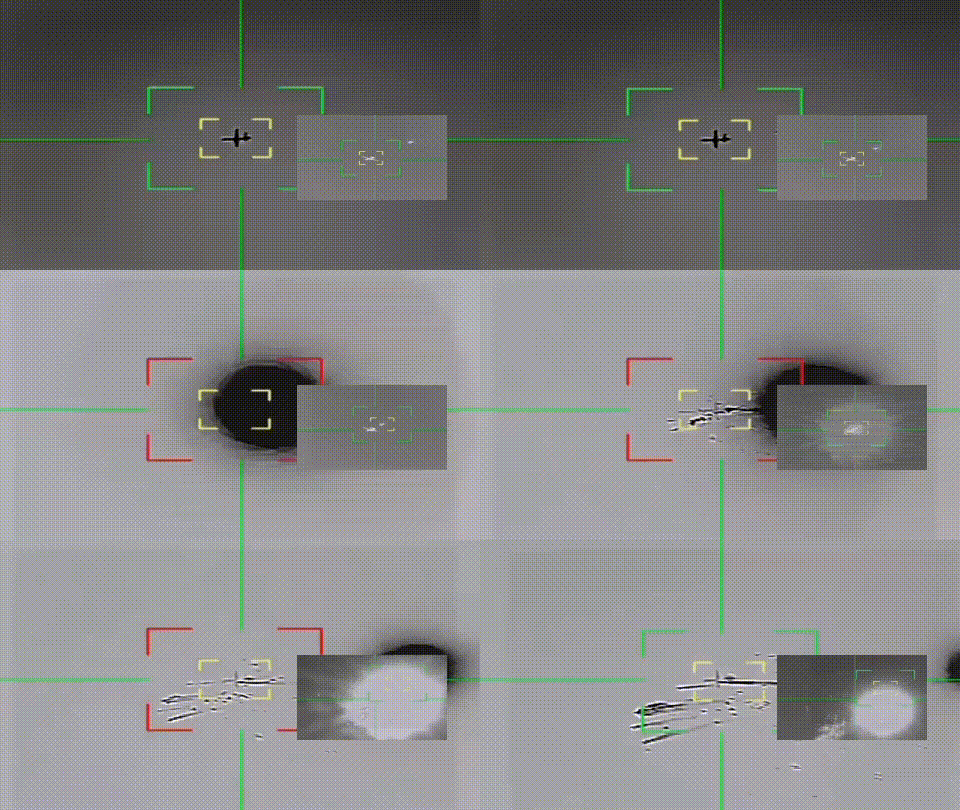
Each Iranian Shahed drone? $20,000 to $50,000 a pop. The Patriot missile blasting it down? A cool $4 million. Do the math: we’ve shelled out $5.6 billion on munitions in the first 48 hours alone. Iran’s launched over 300 ballistic missiles and endless one-way attack drones since the US-Israeli airstrikes kicked off February 28, 2026. Result? US air supremacy shattered – seven MQ-9 Reaper drones vaporized by Iran’s 358 missiles, a THAAD radar worth $300 million wrecked in Jordan.
How does that even happen?
Simple: Iran didn’t roll over. They struck US assets across the Gulf, forcing us to dig into stockpiles we can’t replace overnight. Experts like Kelly Grieco from the Stimson Center nail it: “It’s putting stress on the system that we haven’t seen before.” And Mark Cancian from CSIS? “It’s a race to see if our inventories get low before the Iranian missile inventories get low.

Smart Robots that ‘Think’ for Themselves: What is Agentic AI?
If you’ve ever used an AI to write a poem or draw…

Trump’s attorney general moves into military housing over threats
Pam Bondi has reportedly faced threats from drug cartels and critics of…

SCHUMER’S NUCLEAR SLIP-UP: THE GAFFE THAT ACCIDENTALLY TOLD THE TRUTH?
In a moment of pure, unscripted chaos that has the internet’s geopolitical…

Here’s how Russia should deal with Trump’s new America
The key to normalizing relations between Moscow and Washington lies in our…

THE LAST DANCE: Why is the Navy’s Oldest Warhorse Racing Toward The Caribbean?
The USS Nimitz is basically the "Old Man" of the ocean, and…

THE BREAKUP: James Woods Just Dumped the GOP—And He’s Not Looking Back
James Woods is officially swiping left on the Republican Party. At 78…
Ankit Panda at Carnegie calls it straight: The administration “appears to have underestimated Iran’s tolerance for pain and its ability to inflict it in return.” Now senators are warning that even a “limited” ground invasion could kill hundreds of US troops. Meanwhile, Iran’s military spokesman accuses the US of using civilians in neighboring countries as human shields – deliberate positioning to deter strikes. Iran’s Major General Ali Abdollahi fires back: We’ve got precision weapons beyond your wildest guesses, and we’ll fight until you regret starting this.
Who thought endless wars were a good idea again?
As the conflict drags into its third week, the Pentagon’s staring down years of rebuilding “high-demand, low-density” weapons. Iran’s holding firm, vowing no regrets until the aggressors back off.
America’s military machine, once unstoppable, is grinding against a foe that plays smart and cheap. If we don’t pivot fast, the only winners will be the defense contractors rushing to refill those empty silos.
What’s The Move?
Three stocks stand out as best positioned to profit from the current ammo and munitions shortage, driven by high US military demand, depleted stockpiles from conflicts (including the ongoing Iran war), and urgent replenishment needs for interceptors like Patriots, THAAD, and other precision munitions.
- RTX Corporation (RTX)
RTX (formerly Raytheon) is a top beneficiary thanks to its dominance in missile production, including the Patriot PAC-3 interceptors that are being burned through at double annual capacity. The company is ramping output aggressively, with massive contracts for air defense systems amid the interceptor crunch. Analysts see strong upside from sustained demand, and RTX’s broad portfolio in missiles and munitions makes it a direct play on restocking efforts. - Lockheed Martin (LMT)
Lockheed produces key systems like the PAC-3 MSE (Patriot variant) and THAAD interceptors, both critically short in the current environment. With Pentagon pushes to quadruple some production rates and billions allocated for munitions, LMT’s huge backlog and role in replenishing high-demand weapons position it for multi-year revenue growth. It’s a classic prime contractor that thrives when inventories need rebuilding fast. - General Dynamics (GD)
GD benefits through its Ordnance and Tactical Systems unit, which manufactures ammunition, missiles, and related components. As broader munitions demand surges (beyond just interceptors) to refill stockpiles, GD’s land systems and ammo production lines are set to see increased orders. It’s a more diversified play on the overall shortage, with solid exposure to ground-based and precision munitions.