













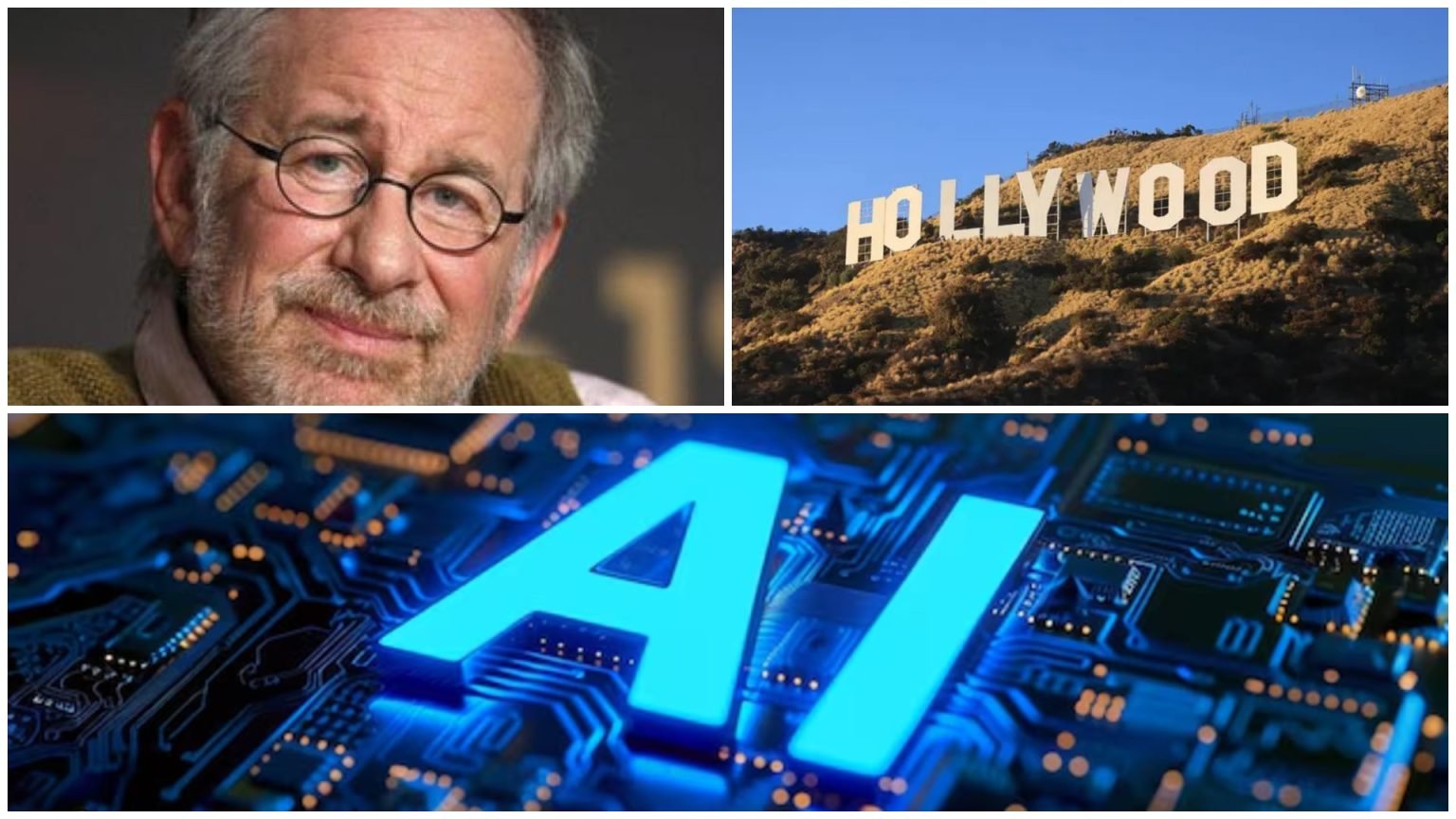
In an era where AI can write a script, generate a deepfake, and predict a box office hit before the first trailer drops, Hollywood is in a state of high-alert panic. But what if the loudest screams of “Save the Art!” are less about protecting human creativity and more about preserving the old power structure? A seismic shift is happening, and the industry’s reaction is a masterclass in manufactured outrage.
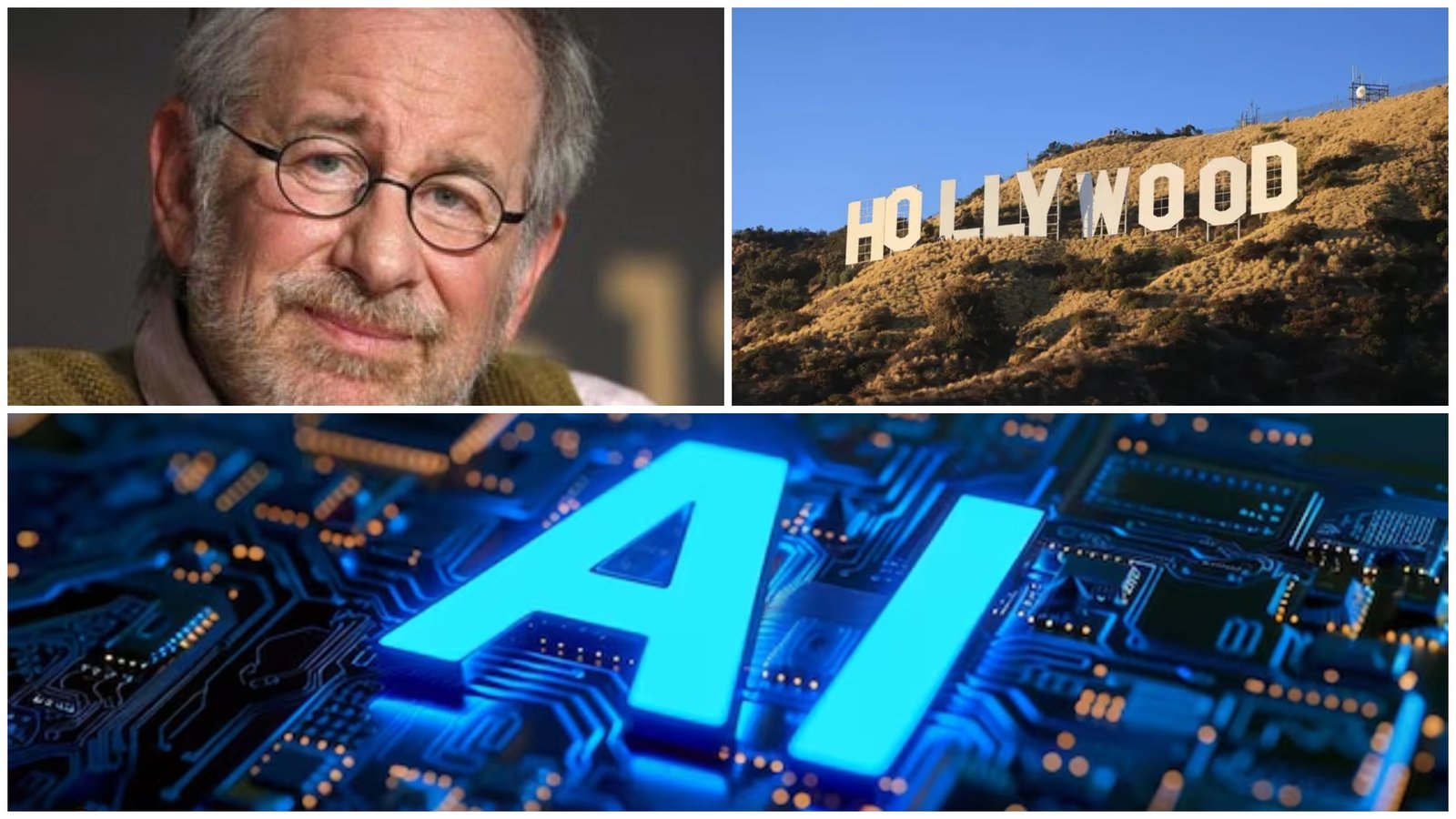
The Protest vs. The Paradox
The battle lines were drawn during the strikes: writers and actors demanded Consent, Control, and Compensation—the foundational ‘three C’s’ for using their work to train AI and create digital replicas. These demands are ethically sound and critical for protecting an artist’s livelihood in the 21st century.
However, the tone of the industry’s response often goes far beyond guardrails and veers into outright AI prohibition. This is where the paradox emerges.
- The Fear: The worry is that AI will replace human artists entirely. A single prompt could generate a finished, polished film, effectively eliminating the “middle” tier of the industry—the mid-budget projects and the army of craftspeople required for visual effects (VFX).
- The Reality: Veteran director Steven Spielberg, a pioneer who embraced CGI to transform Jurassic Park, has drawn a clear “line in the sand,” insisting AI is a tool, not a talent. He supports its use for behind-the-scenes logistics, budgeting, and effects pipelines, but is firm that it must not replace actors or make creative decisions.
The truth is, AI isn’t killing Hollywood; it’s rebooting it. It is rapidly collapsing the cost of visual effects—a scene that once cost $100 million may soon cost $10 million. This democratization threatens the massive, centralized studios not because AI is bad, but because it kills their biggest competitive advantage: unrivaled capital and resource control.
The “Outrage Mob”: A Tactic of the Old Guard
In the 2025 landscape of social media, “vibe” culture and micro-virality are the new gold standards for engagement. This creates the perfect environment for a high-leverage narrative: The powerful, soulful Artist versus the cold, corporate Machine.
This narrative, which fuels a “fake outrage mob” of anti-AI sentiment, serves a critical purpose for the major studios and legacy organizations: to frame AI as an existential threat to art itself, rather than a threat to their business model.
![Wanted: Suspects for Commercial Burglary in the 12th District [VIDEO]](https://thephillypi.com/wp-content/uploads/2026/09/Wanted-Suspects-for-Commercial-Burglary-in-the-12th-District-VIDEO-768x469.jpg)
Wanted: Suspects for Commercial Burglary in the 12th District [VIDEO]
The police are investigating a commercial burglary that occurred on February 23,…

U.S. Air Force Tests C-130J-30 Super Hercules to Sustain Dispersed Operations Under Drone Threats
The 130th Airlift Wing conducted split-site operations between West Virginia and Michigan…

Why Samsung Odyssey Ark Dominates As The Best Gaming Monitor Of 2022
Welcome back to the Philly PI hardware desk, where we put the…

Massive Rebuilding Effort Unveils Critical Progress 14 Years After Hurricane Sandy
PHILADELPHIA — Fourteen years after Superstorm Sandy carved a path of unprecedented…

U.S. Expands F-35 Fighter Jet Support Network With $871 Million for Dispersed Combat Operations
The United States is expanding the sustainment network supporting its F-35 Lightning…

U.S. CISA adds Microsoft Office and Microsoft Windows flaws to its Known Exploited Vulnerabilities catalog
U.S. Cybersecurity and Infrastructure Security Agency (CISA) adds Microsoft Office and Microsoft…
The goal is to co-opt the ethical concerns of the guilds to build a protective wall around their own IP and control over distribution. They want to ensure that while AI may democratize the creation of art (lifting the “floor”), only they will have the resources—and the legal right—to create the next Avatar-level leap (raising the “ceiling”).
Takeaway
This isn’t a story of good vs. evil; it’s a story of power shifting. The articles that cut through the noise in 2025 are those that blend personal perspective with transparent data.
The future of film may not be a ban on AI, but a new creative contract where human-led storytelling, enhanced by AI tools, creates magic by conquering inefficiency. The new power move for Hollywood is not resisting the tech, but acting as a bloc to shape its use—a move that saw major agencies line up to slam early AI features to demand real permission and compensation rails.
The soul of art cannot be created by an algorithm. The job of the human storyteller—and the human journalist—is to ensure the human vision, emotional tone, and point of view remain in charge.
Want to hear more of Steven Spielberg’s direct thoughts on the existential risk of AI? See a clip from the discussion here: Steven Spielberg Talks on Terrifying AI. This video is relevant because it features a major creative voice, Steven Spielberg, discussing the exact ethical and creative concerns about AI that are driving the current Hollywood narrative.