





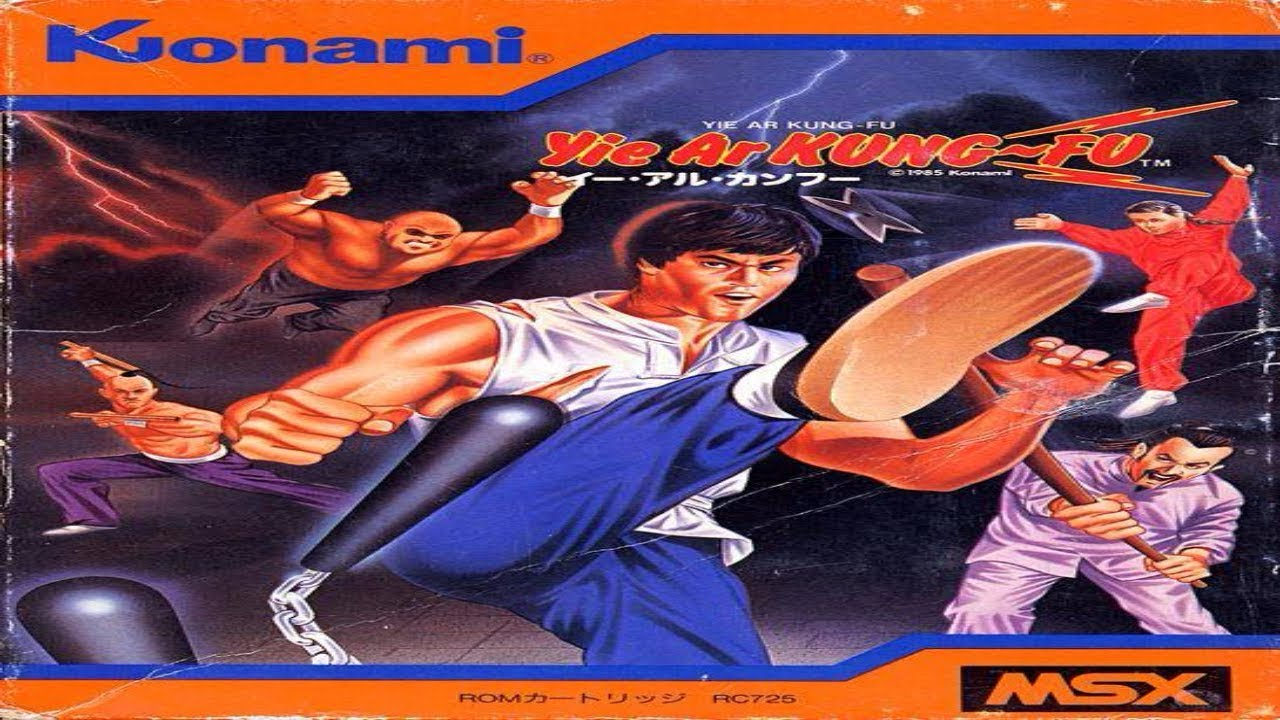
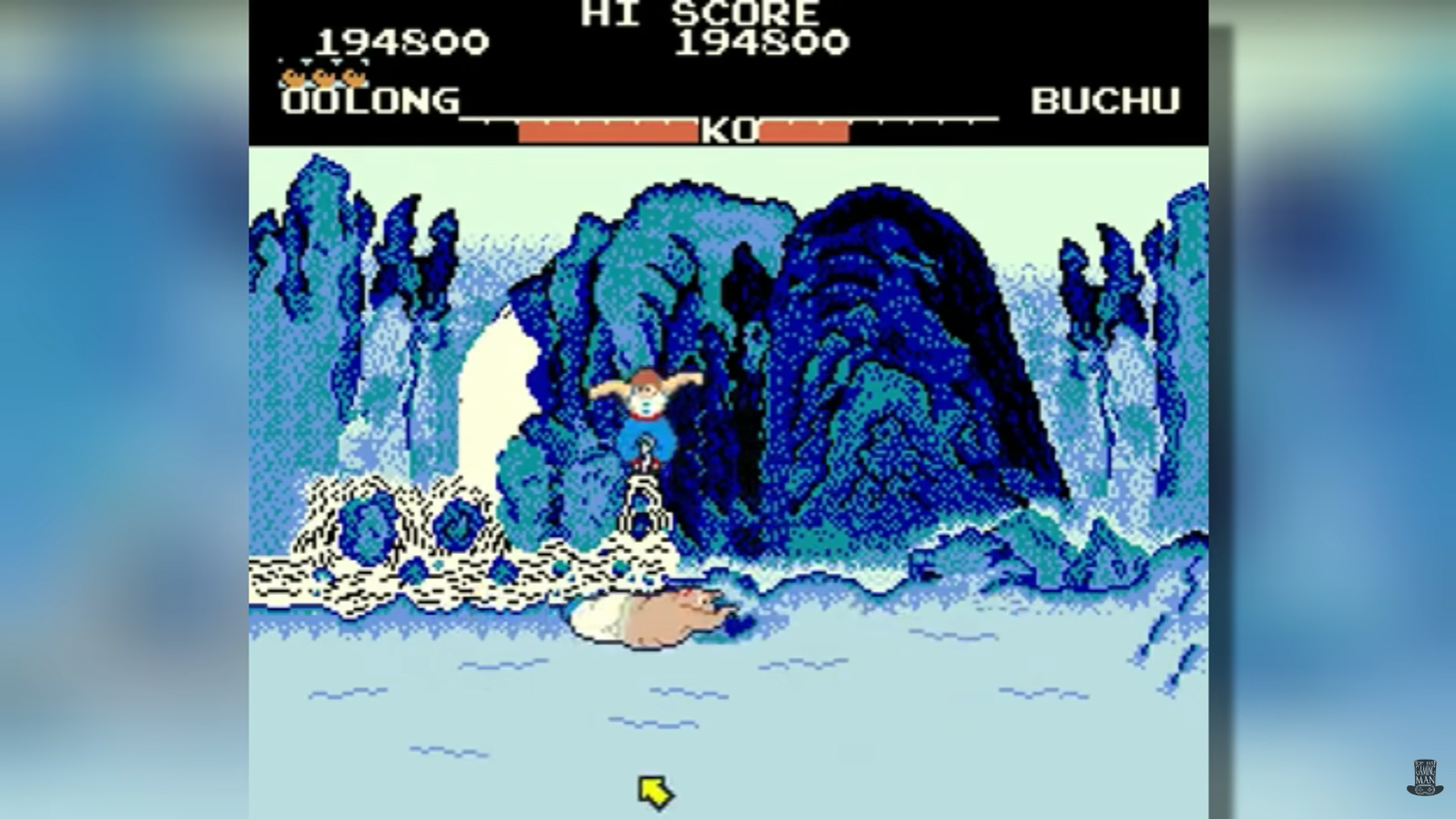
Listen up, gamers! We’ve all been fed the same “Official History” of the fighting genre for decades: Karate Champ was the awkward grandpa, Street Fighter II was the cool visionary, and everything else in between was just static. But if you dig through the digital archives to 1985—two years before Ryu even tightened his first headband—you’ll find a Konami masterpiece that Capcom practically used as a tracing paper.
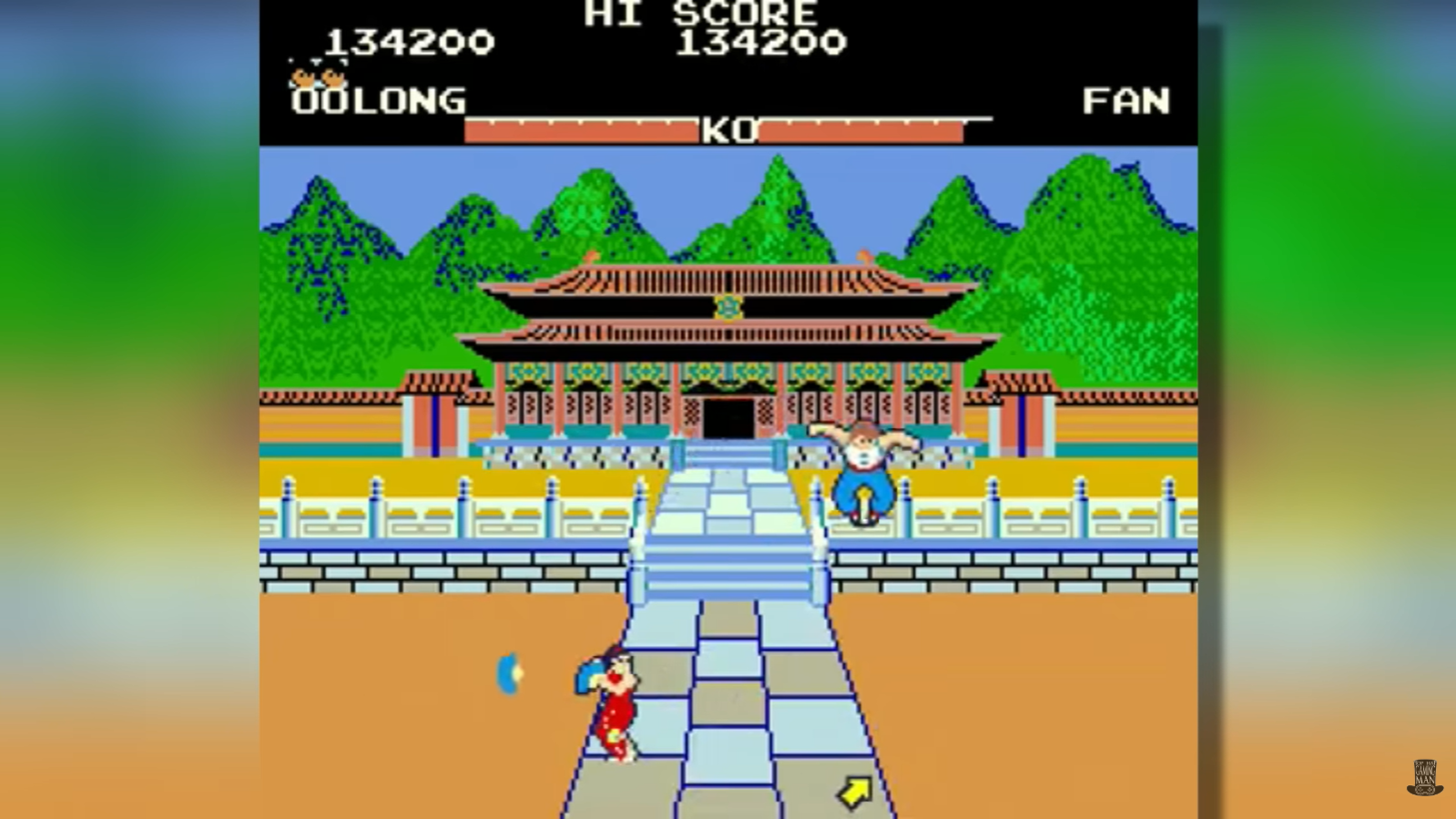
Welcome to the untold story of Yie Ar Kung Fu: the game that actually built the house that Ryu lives in.
Exhibit A: The Health Bar Revolution
Before 1985, fighting games were about “scoring points.” It was like a digital Olympics with a whistle-blowing ref. Yie Ar Kung Fu looked at that and said, “Boring!” Konami introduced the Health Bar, turning a polite martial arts match into a desperate battle for survival. That heart-pounding tension of having one sliver of health left while your opponent is reeling? You don’t owe that to Capcom—you owe it to Konami.
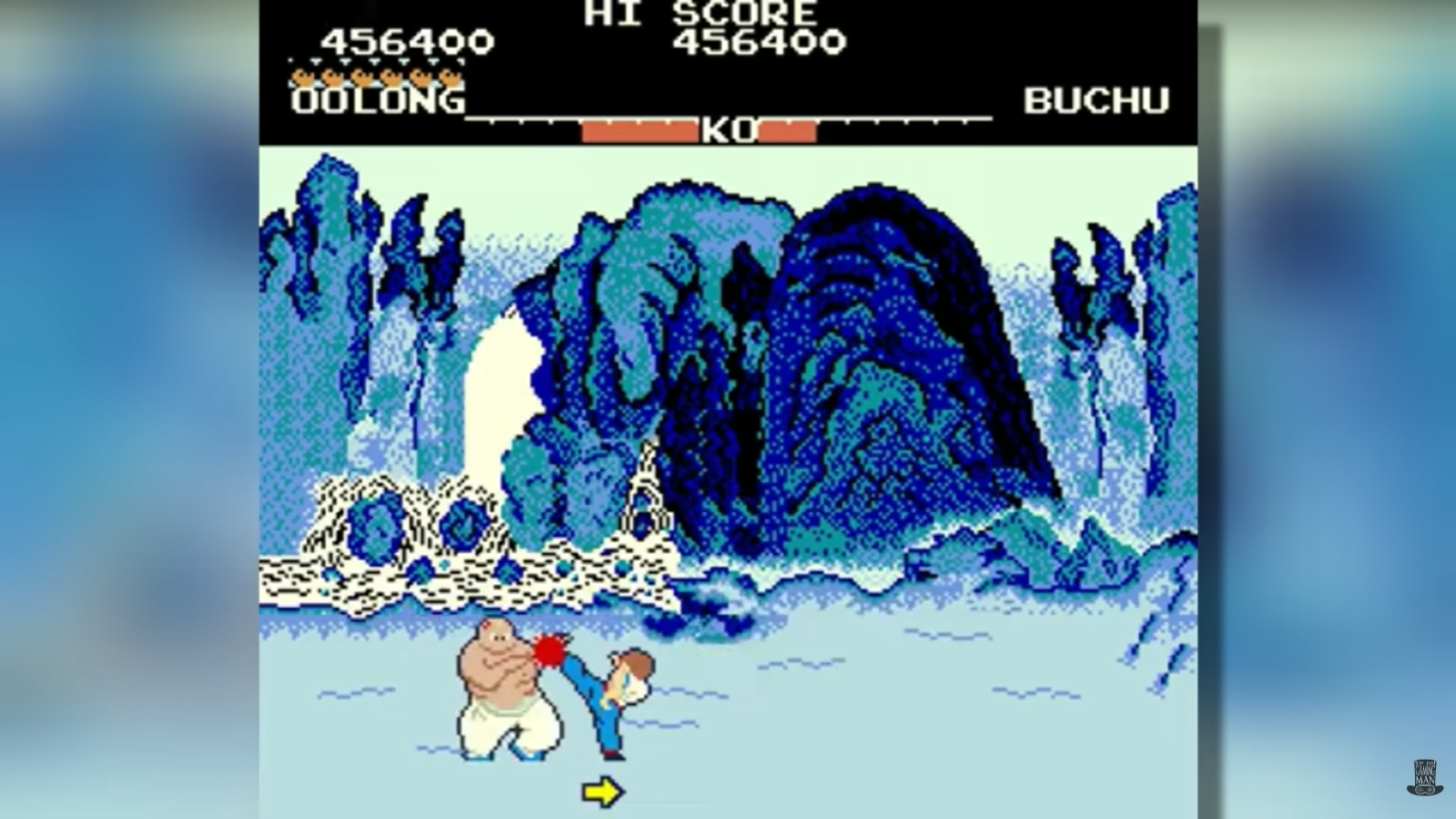
Exhibit B: The “Boss Rush” DNA
Ever wonder where the idea of a diverse, global roster of weirdos came from? Karate Champ just gave you… another guy in a white gi. Yie Ar Kung Fu gave us a circus of specialized killers:

The Eagle’s Nest and the Adobe Giant: Inside Iran’s Fortress Landscape
In the rugged expanse of the Iranian plateau, history isn’t just written…

The Legend Transcends: Honoring the Life and Legacy of Chuck Norris
The news sounds absurd, yet it is the reality we now face:…

Dollar dominance and its discontents – Decoding US tariff populism
The greatest threat to the U.S. Dollar isn't a shadowy cabal in…

The Cursor AI Revolution: Why the Best Code Editor Isn’t From China
In the 2026 landscape of software engineering, Cursor AI has emerged as…

UFC Seattle Preview: Adesanya vs. Pyfer | Shillan & Duffy Breakdown
The Octagon returns to the Emerald City this Saturday, and Keith Shillan…

How Rep. Thomas Massie Built His Off-Grid Home Using Dovetail Joints: A Timber Frame Masterclass
Rep. Thomas Massie, Kentucky libertarian and MIT engineer, built his off-grid timber-frame…
- Buchu: The massive “Acrofatic” brawler who paved the way for E. Honda’s flying headbutts.
- Pole: The staff-wielding speedster who taught us about “reach” and “spacing.”
- Chain: The long-range terror who essentially invented the “Zoner” archetype.
Exhibit C: The Star of the Show (Sorry, Chun-Li!)
This is the one that really stings. Everyone calls Chun-Li the “First Lady of Fighting Games.” But seven years before she hit the scene in 1991, there was Star.

- The Look: Pink outfit, acrobatic flips, Chinese aesthetic.
- The Moves: Projectile-based offense using shurikens (sound familiar, Kikoken fans?). Star wasn’t just a “female character”—she was the blueprint for the agile, projectile-tossing female archetype that defines the genre today.
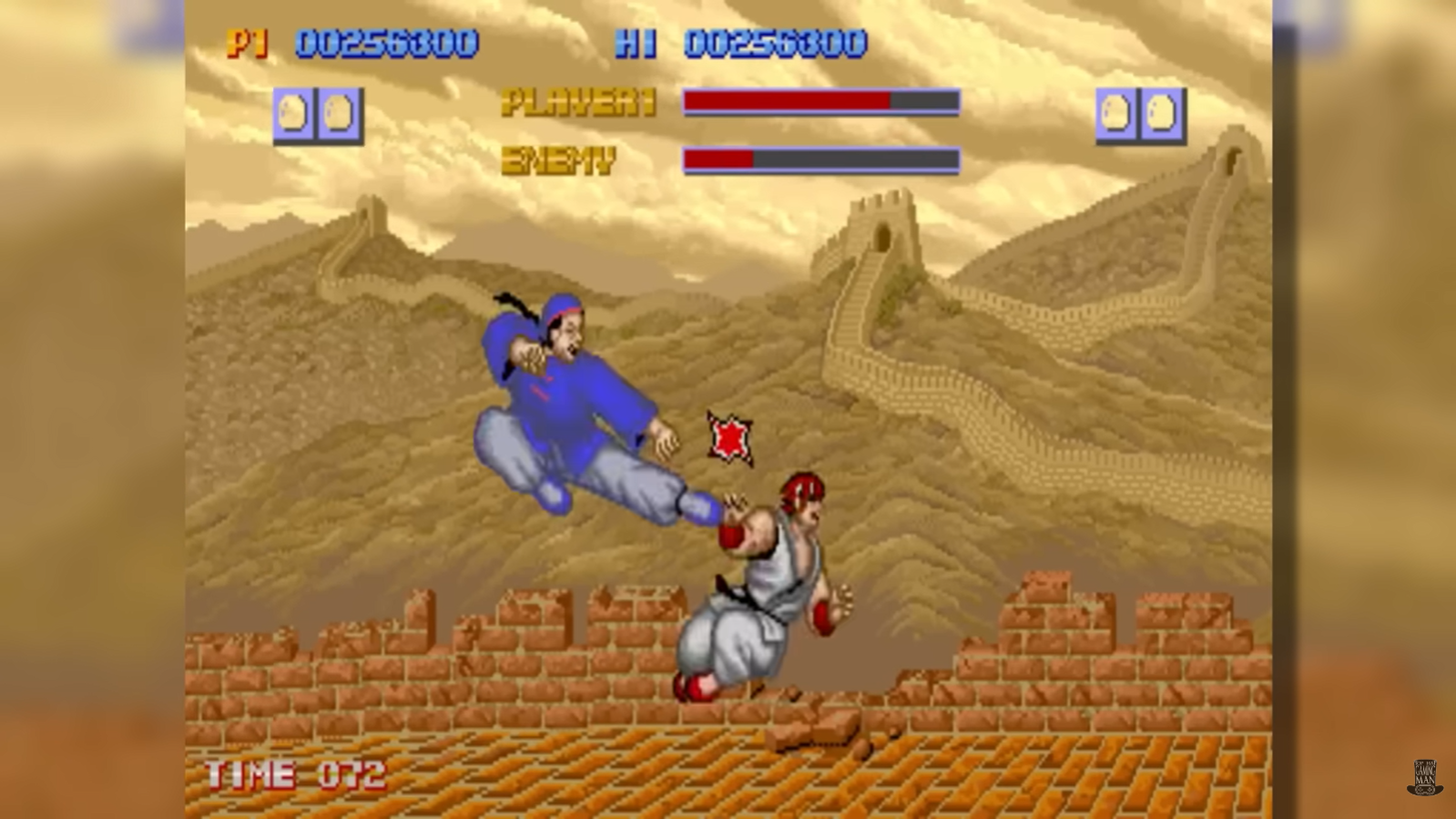
The Verdict: Masterpiece or Mimicry?
So, did Capcom “steal” everything? It’s complicated. While Capcom certainly added the “secret sauce”—like the legendary quarter-circle special move inputs and a deeper six-button layout—they didn’t invent the structure. They refined a template that Konami had already perfected.
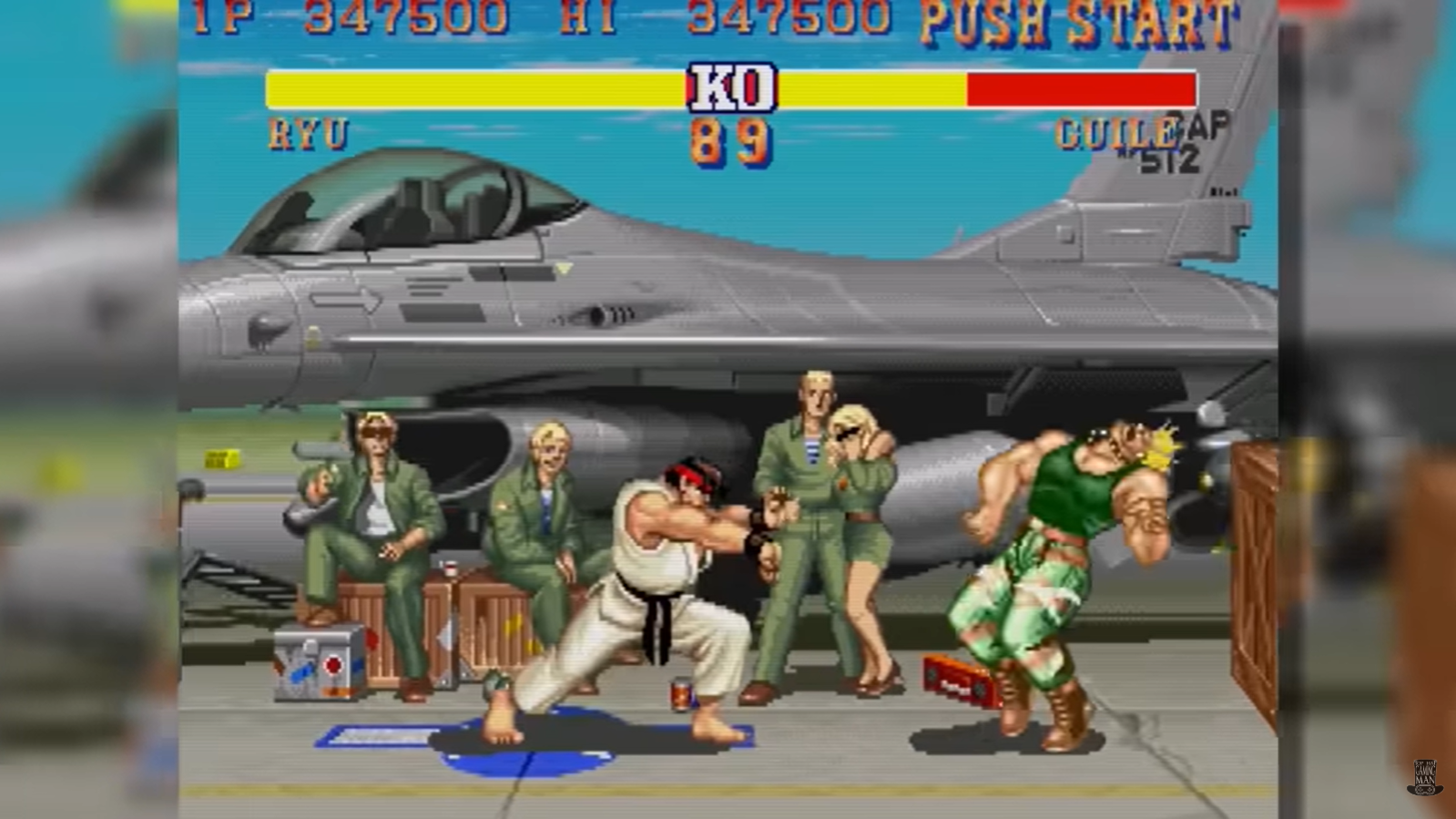
Yie Ar Kung Fu was a massive hit on the Commodore 64 and MSX, but because it didn’t have that “definitive” Nintendo console moment, its legacy was quietly buried under decades of superior Capcom marketing. It’s the ultimate “Erasure” in gaming history: the features were so perfect that they now feel native to the game that popularized them, rather than the one that pioneered them.
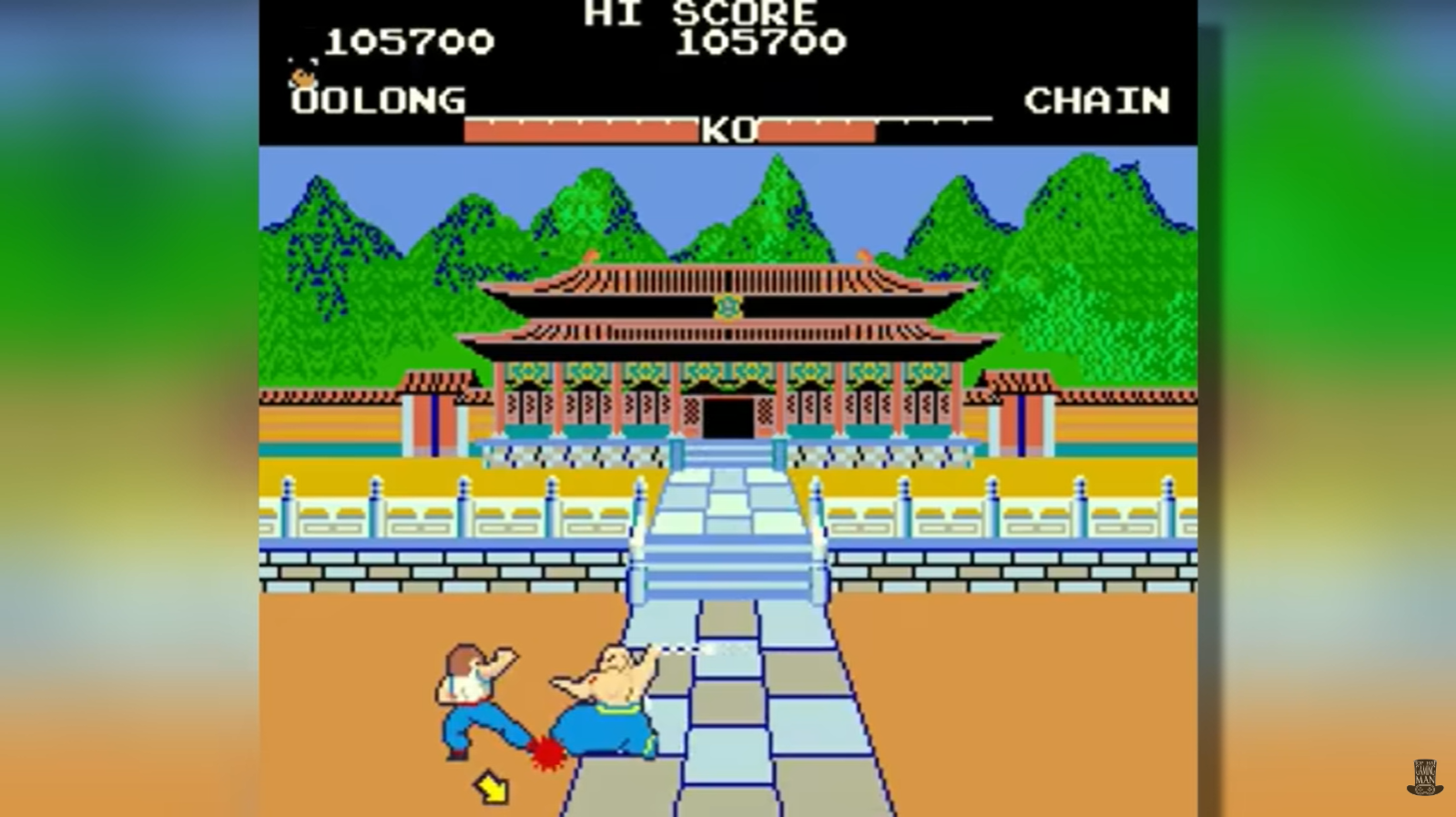
Next time you land a clutch victory with a pixel of health, pour one out for Oolong. He did it first.