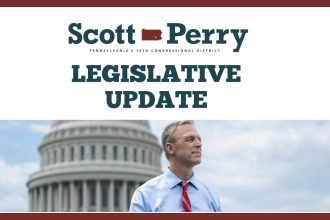
















As Capitol Hill navigates a dense legislative calendar and rising pressures over domestic energy supplies, the ongoing battle over higher ethanol fuel blends has taken center stage in Washington. In his weekly legislative update for the week of May 11, 2026, U.S. Representative Dan Perry addressed constituents regarding the high-stakes political and economic fight surrounding E15 fuel availability. The debate, which pits agricultural interests and midwestern lawmakers against traditional refiners and environmental compliance advocates, centers on whether year-round nationwide sales of E15—gasoline blended with 15% ethanol—should be permanently codified into law.
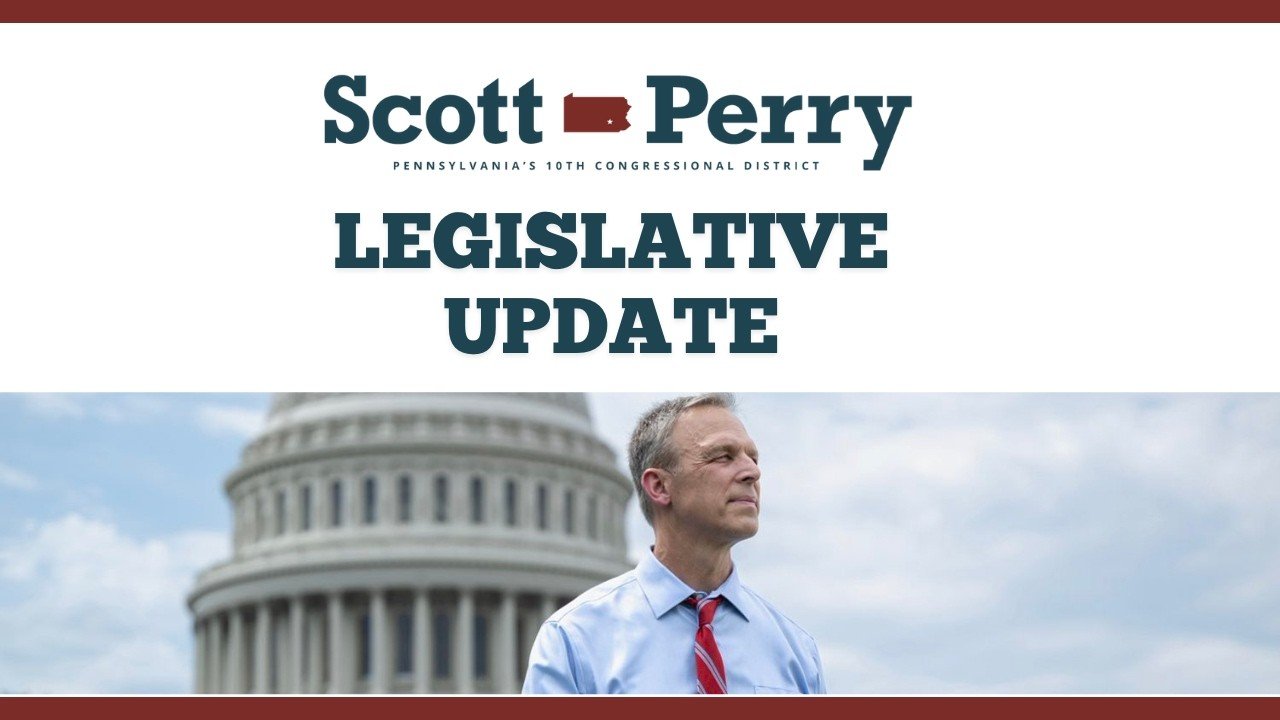
The Battle Over E15 Fuel and Mid-Atlantic Energy Markets
The legislative struggle over E15 has historically divided lawmakers along regional rather than strict partisan lines, involving complex interactions between corn growers, petroleum refiners, and independent fuel retailers. During his address, the Pennsylvania lawmaker emphasized the multifaceted economic impacts that fuel mandates and environmental regulations carry for local constituents, small businesses, and motorists at the pump.
Proponents of expanding E15 access argue that higher ethanol blends reduce carbon emissions, lower fuel costs for consumers, and provide a critical market for American agriculture. Conversely, critics and traditional refining sectors often point to infrastructure limitations, logistical challenges during the summer ozone season, and potential impacts on engine components in older vehicles. Navigating these competing interests requires delicate legislative maneuvering within the U.S. House of Representatives, where committees must weigh energy security against economic feasibility.
Legislative Priorities and Committee Context in the House
As debates over American energy independence intensify, congressional committees are increasingly pressured to deliver comprehensive solutions that balance consumer relief with environmental standards. The Pennsylvania representative highlighted how these federal policies directly translate into regulatory hurdles for businesses operating within his district.
Lawmakers looking into the mechanics of federal rulemaking frequently monitor official tracking platforms like Congress.gov to review pending energy and agricultural bills. Furthermore, constituents seeking detailed breakdowns of committee hearings, voting records, and federal statutes can access primary documentation directly through official channels like House.gov.

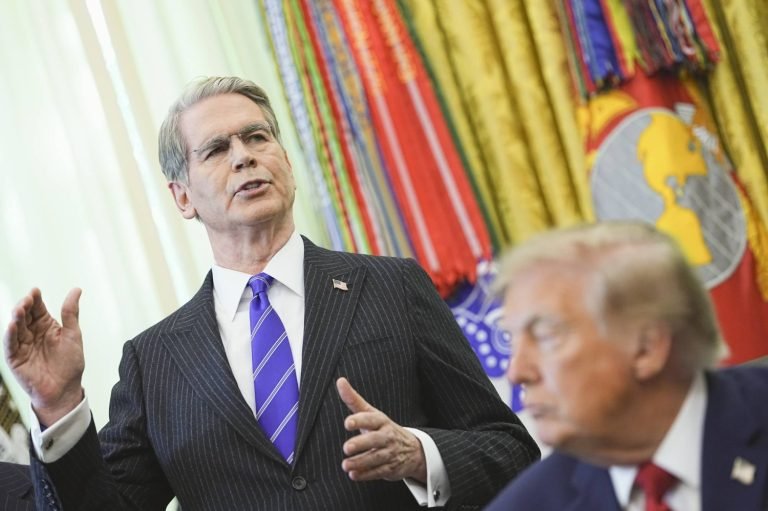
US Treasury Chief Scott Bessent to Skip IMF-World Bank Meetings in Bangkok
DOHA – U.S. Treasury Secretary Scott Bessent will skip next week’s annual…
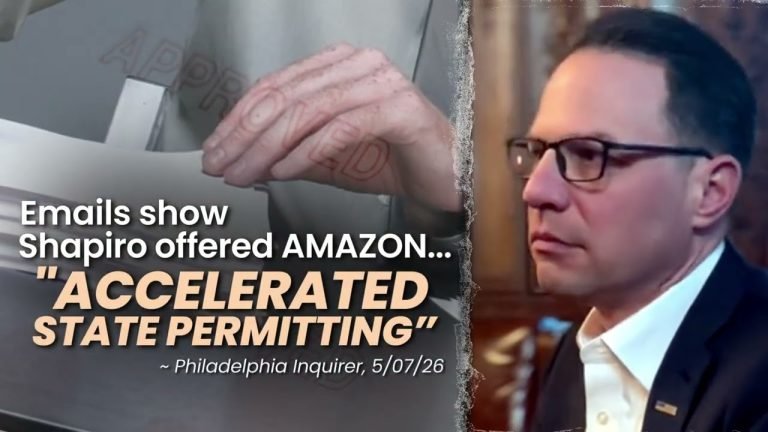
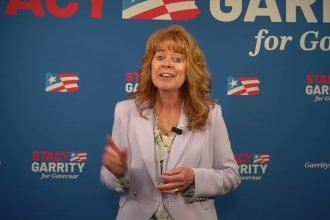
Stacy Garrity Exposes Josh Shapiro and Vows to Fix Pennsylvania Budget Crisis
As the political landscape in the Keystone State intensifies ahead of the…

Insects Have Six Legs. But This 324-Million-Year-Old Insect Had 24 Legs and a Body Unlike Anything Alive Today
For nearly 40 years, one of the strangest insects ever found was…

ABS Tempest Aqua Review Dominates The Best PreBuilt Gaming Desktop Market
Welcome back to the gear lab here at The Philly PI, where…

Wanted: Suspect for Assault in the 9th District [VIDEO]
Central Detective Division is seeking the public’s help identifying the individual seen…
- Evaluating the economic impacts of seasonal fuel waiver exemptions on independent service stations.
- Assessing the long-term viability of domestic ethanol production alongside traditional petroleum refining.
- Balancing environmental compliance targets set by the Environmental Protection Agency (EPA) with legislative oversight from Congress.
Economic Implications for Consumers and Small Businesses
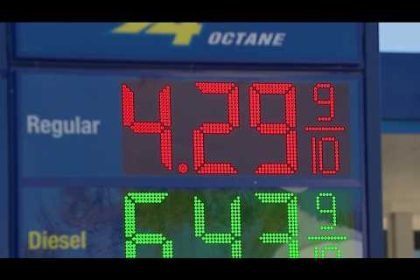
At the heart of the E15 legislative fight is the immediate financial relief promised to American drivers. With inflation and cost-of-living concerns remaining top priorities for voters heading into the summer driving season, affordable fuel options have become a potent political talking point. Retailers who have invested in the necessary blender pumps argue that permanent year-round sales would provide regulatory certainty, encouraging further capital investment in retail infrastructure.
However, small business owners and independent fuel distributors often face steep compliance costs when upgrading storage tanks and dispensing equipment to safely handle higher ethanol concentrations. The congressional debate consequently touches on whether federal assistance or regulatory relief should accompany any sweeping mandates regarding renewable fuel standards.
Looking Ahead: The Road Map for Energy Legislation
As the spring legislative session progresses, the path forward for E15 legislation remains tied to broader negotiations surrounding energy infrastructure, agricultural policy, and environmental oversight. House members will continue to face intense lobbying from both renewable fuel advocates and petroleum interests.
For voters and industry stakeholders alike, keeping a close eye on committee markups and floor votes will be essential to understanding how Washington plans to resolve the competing pressures of modern energy policy. Representative Perry’s ongoing updates underscore the vital link between localized district concerns and sweeping federal statutes debated inside the halls of Congress.
[tags]Rep. Dan Perry, E15 Fuel Debate, U.S. Congress, Energy Policy, House Legislative Update, Renewable Fuels, American Agriculture, House Committees[/tags]