






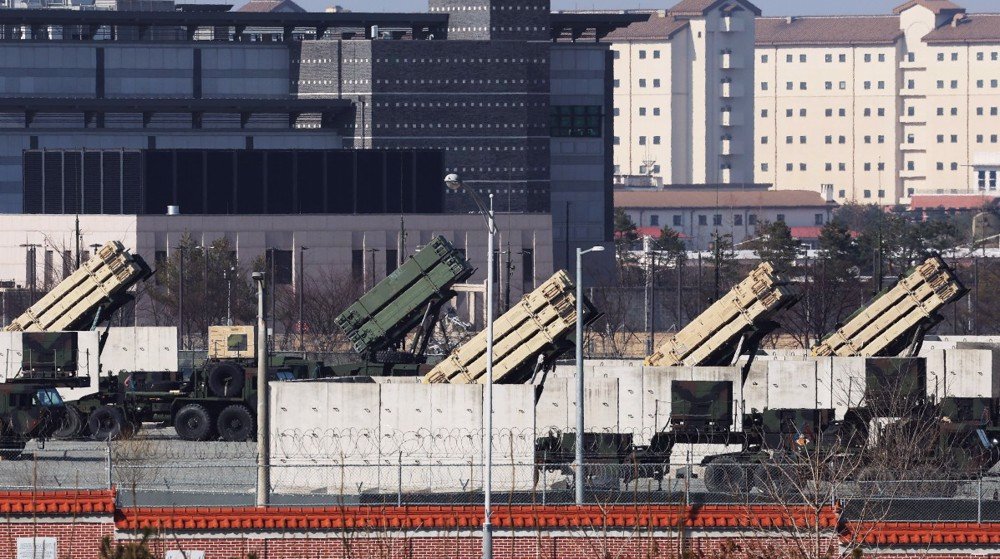
WASHINGTON — Pentagon planners and foreign military attachés face a sobering industrial bottleneck: a severe Patriot missile shortage has caused fresh international orders for Raytheon and Lockheed Martin’s flagship MIM-104 Patriot air defense interceptors to carry delivery delays stretching four to five years out.
High operational demand, intense missile expenditure rates in active combat zones, and specialized component lead times have combined to create an unprecedented supply backlog. This mounting Patriot missile shortage is forcing U.S. allies—and Capitol Hill defense committees—to confront the hard limits of Western defense assembly lines.
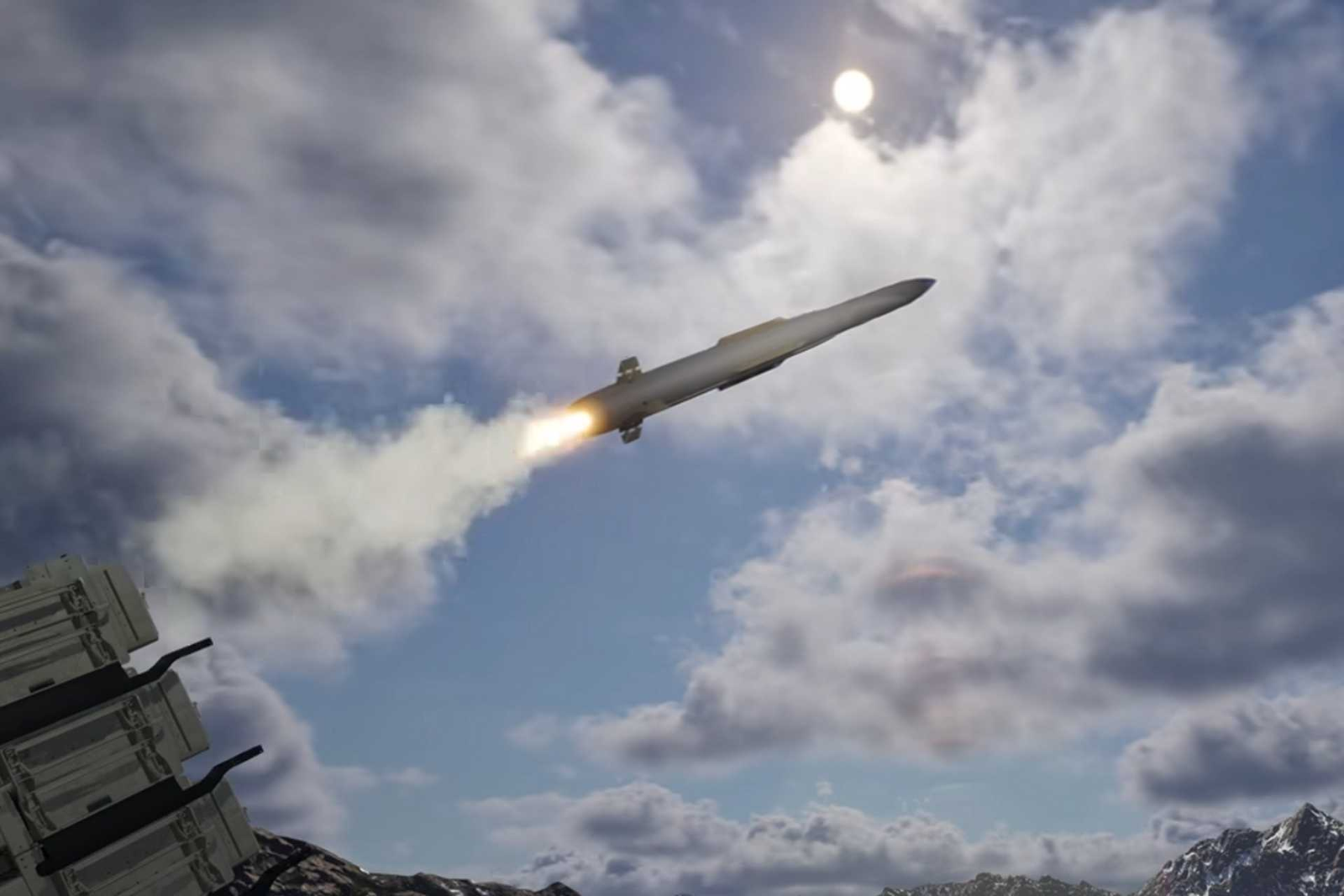
PATRIOT PROCUREMENT LEAD TIMES AT A GLANCE
[ Primary Factor ] —> Severe Patriot Missile Shortage
[ Target Interceptor ] —> MIM-104 / PAC-3 MSE Variant
[ Solid Motor Lead Time ] —> 24 to 30 Months Manufacturing Cycle
[ Current Order Backlog ] —> 4 to 5 Years Delivery Delay
INDUSTRIAL BOTTLENECKS FUEL THE PATRIOT MISSILE SHORTAGE
Military logistics analysts trace the severe order lag and ongoing Patriot missile shortage to complex sub-assembly manufacturing requirements that cannot simply be accelerated overnight:

ShinyHunters leaked 600K+ Canada Goose customer records, but the firm denies it was breached
ShinyHunters leaked 600,000+ Canada Goose customer records, though the company insists its…

Japanese sex toys maker Tenga discloses data breach
Sex toy maker Tenga says a hacker accessed an employee’s email account,…

BENEATH THE UNBEATEN LEGEND: REEXAMINING THE KHABIB NURMAGOMEDOV MYTHOS
LAS VEGAS — For years, the story of Khabib Nurmagomedov has been…

South Korea slaps $25M fine on Dior, Louis Vuitton, Tiffany over Salesforce breach
South Korea fined Dior, Louis Vuitton, and Tiffany $25M after hackers breached…

Missing Persons Ka’mya Adams (Right) and Brianna Adams (Left) from the 15th District Have Been Located
The Philadelphia Police Department is seeking the public’s assistance in locating the…

Canadian journalists warned not to call 9/11 a ‘terrorist attack’
(Journalists and editors employed by the Canadian Broadcasting Corporation (CBC) were warned…
- Long Lead Manufacturing: Assembling a single PAC-3 MSE interceptor requires roughly 24 to 30 months, driven by rigorous testing for solid-fuel rocket motors, high-frequency radar guidance seekers, and micro-electronic guidance systems.
- Depleted Military Stockpiles: High operational consumption across key strategic sectors has rapidly drawn down existing emergency reserves. The resulting Patriot missile shortage has forced manufacturers to fulfill domestic Pentagon replenishment orders long before shipping international export contracts.
- Foreign Military Sales (FMS) Queue: Allied nations holding signed letters of agreement now face projected delivery schedules extending toward the end of the decade as defense contractors struggle to overcome the global Patriot missile shortage.
ALLIES EXAMINE EUROPEAN ALTERNATIVES & LOCAL ASSEMBLY
The multi-year procurement delay caused by the Patriot missile shortage is sending shockwaves through international defense ministries, accelerating efforts to diversify air defense assets:
- Procurement Diversification: Facing multi-year waits for American hardware, several European nations are weighing alternative interceptor systems, including Eurosam’s Aster 30 missile platform, to bridge mid-term operational gaps created by the Patriot missile shortage.
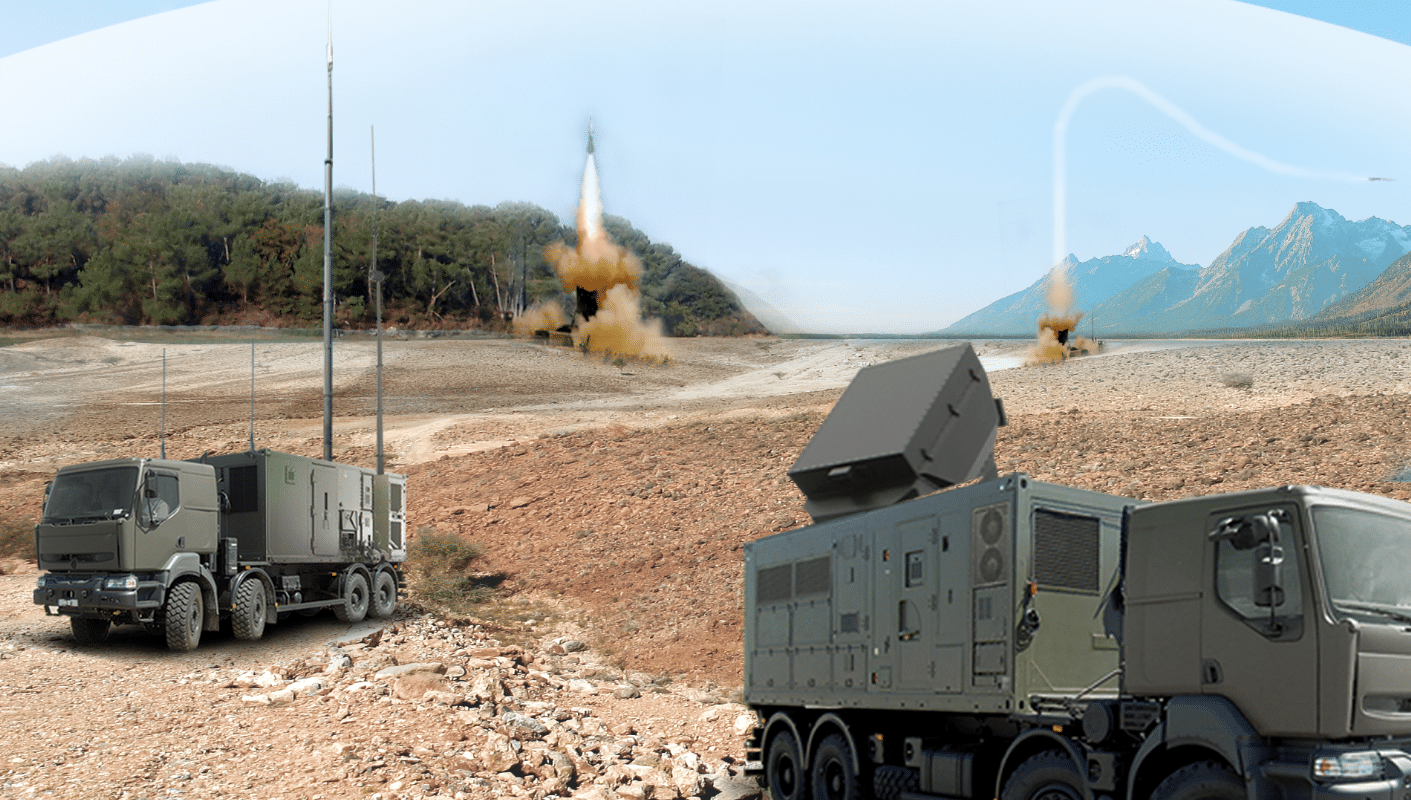
- Localized Production Setup: Joint ventures aimed at establishing European production lines for MIM-104 Patriot components are underway, though industry engineers caution that tooling factories and certifying local assembly will take three to four years before production ramps up.
- Industrial Capital Investment: Prime contractors continue investing heavily in facility expansion and automated tooling, but defense analysts stress that clearing the backorder and solving the Patriot missile shortage remains a long-term challenge.
STRATEGIC IMPLICATIONS FOR GLOBAL AIR DEFENSE
As air defense systems become the central pillar of modern territorial security, the global Patriot missile shortage highlights structural vulnerabilities in Western defense manufacturing capacity. Military commanders note that modern air defense relies heavily on continuous inventory rotation. Without immediate increases in raw material throughput and specialized aerospace labor, international forces will continue operating under inventory constraints through 2030. Defense ministries continue negotiating joint-production licenses to decentralize supply nodes, but production output will take several calendar years to stabilize.
Manufacturing Patriot missile systems in the United States involves two primary defense contractors listed on the New York Stock Exchange (NYSE):
1. Lockheed Martin Corporation
- NYSE Ticker:
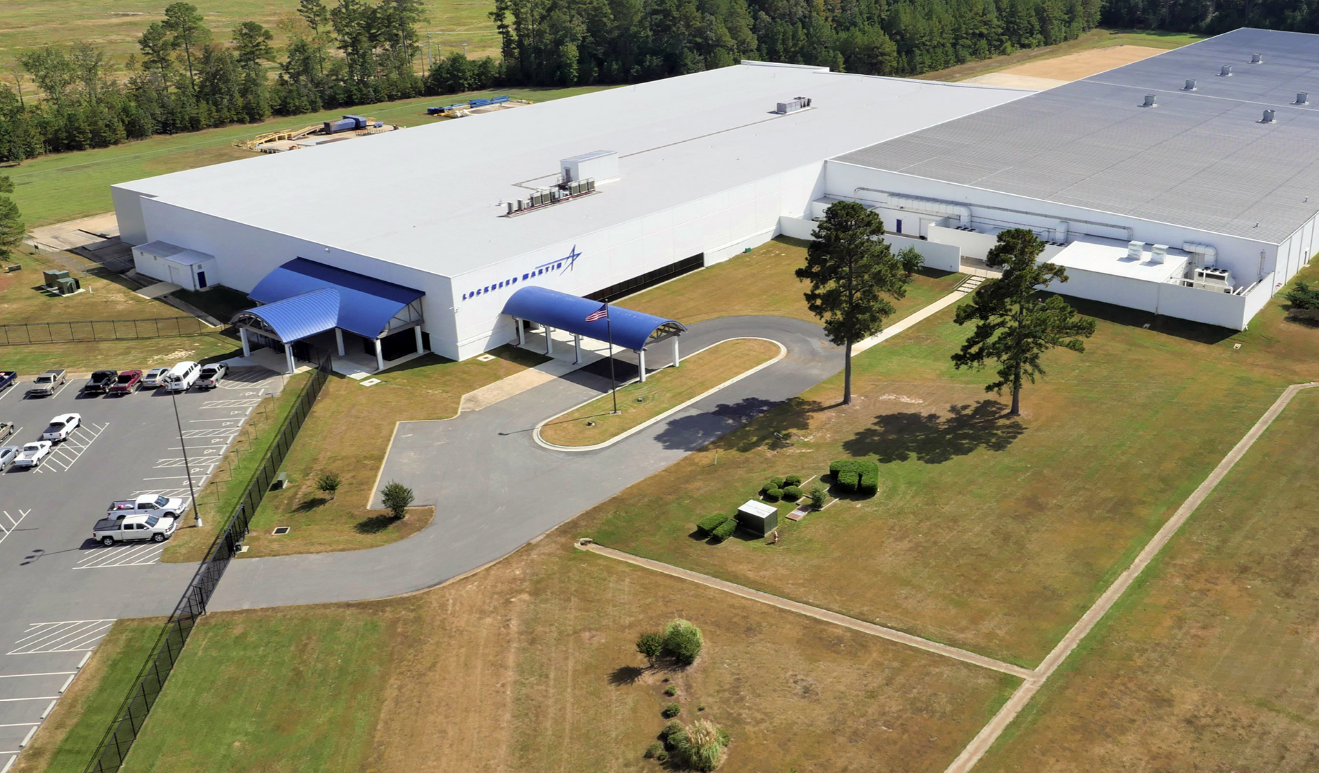
LMT - Primary Facility:East Camden, Arkansas
- Role: Lockheed Martin operates a major manufacturing facility at the Highland Industrial Park in East Camden, Arkansas, where it performs final assembly for the PAC-3 MSE (Patriot Advanced Capability-3 Missile Segment Enhancement) interceptor.
- Other Supporting Facilities: Program management and engineering operations are handled out of Grand Prairie, Texas, and additional sensor and guidance electronics are integrated in Clearwater and Ocala, Florida.
2. RTX Corporation (formerly Raytheon Technologies)
- NYSE Ticker:
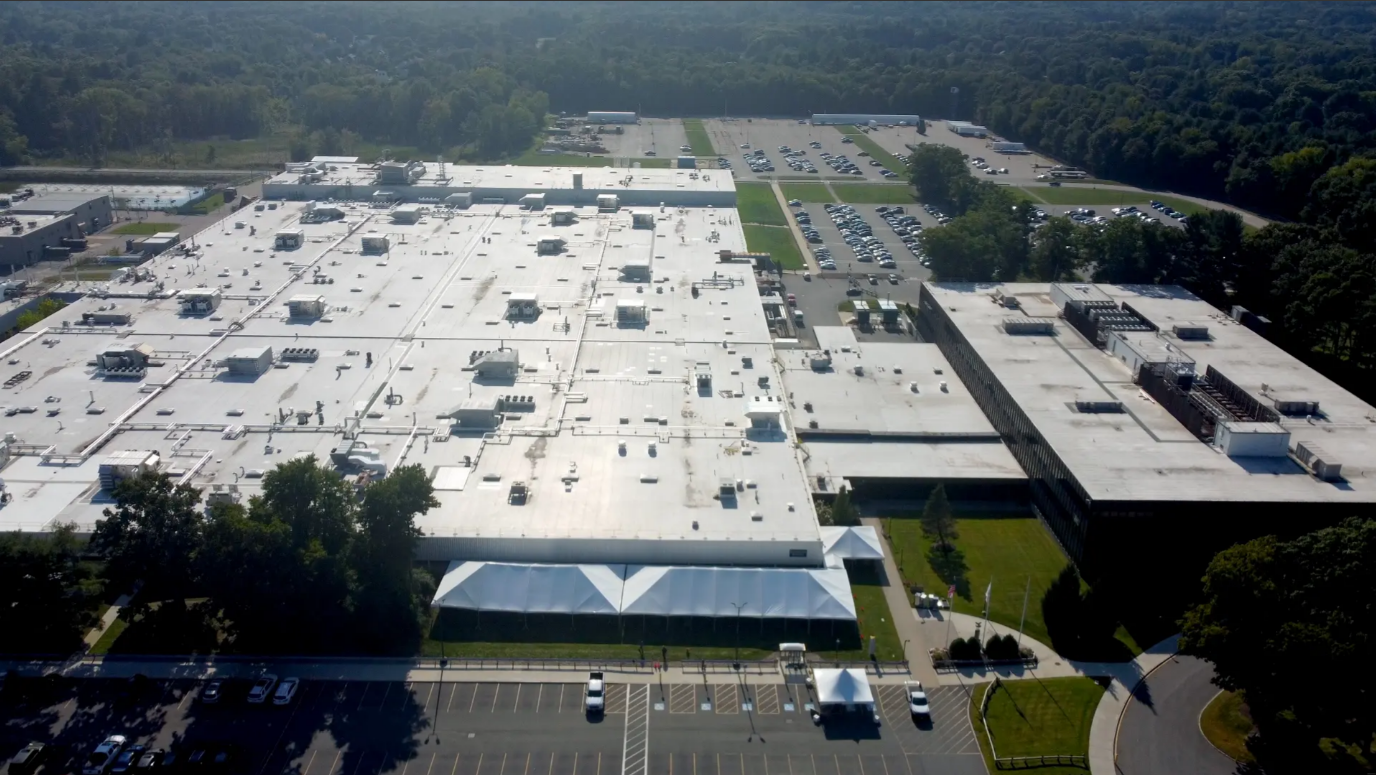
RTX - Primary Facilities:Andover, Massachusetts and Tucson, Arizona
- Role: RTX (Raytheon) is the prime system integrator for the Patriot missile defense system. Raytheon manufactures the PAC-2 GEM-T interceptors, radar integration units, command-and-control systems, and ground launchers.
Key Component Suppliers on the NYSE
- Boeing (
NYSE: BA): Manufactures the precision PAC-3 radar seekers at its expansion facility in Huntsville, Alabama.

- L3Harris Technologies (
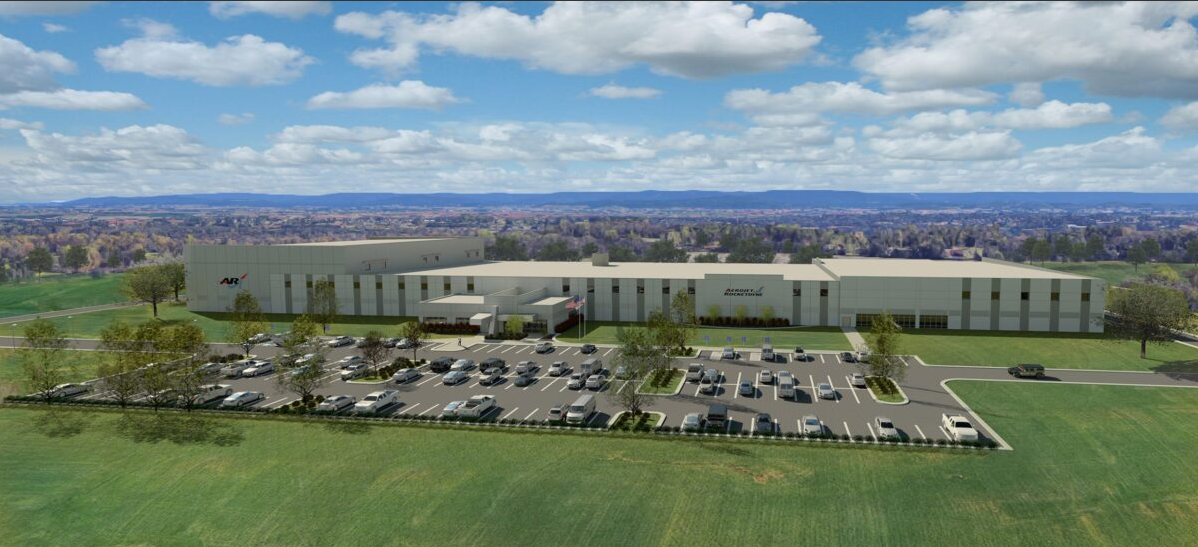
NYSE: LHX): Supplies rocket motors, lethality enhancers, and propulsion components via its solid rocket propulsion division (Aerojet Rocketdyne) co-located in Camden, Arkansas.