







Google addressed two high-severity vulnerabilities in the Chrome browser that have been exploited in attacks in the wild.
Google has released security updates to address two high-severity vulnerabilities, tracked as CVE-2026-3909 and CVE-2026-3910, in the Chrome browser. The company is aware of attacks in the wild exploiting both flaws.
“Google is aware that exploits for both CVE-2026-3909 & CVE-2026-3910 exist in the wild.” reads the advisory published by the tech giant.
Google experts discovered both vulnerabilities on March 10, 2026. As usual, the company did not disclose details about the attacks exploiting these flaws or the threat actors involved.
Below are the descriptions for these vulnerabilities:

Hackers abused Cisco SD-WAN zero-day since 2023 to gain full admin control
Cisco SD-WAN vulnerability CVE-2026-20127 has been exploited since 2023 to gain unauthenticated…
Lazarus APT group deployed Medusa Ransomware against Middle East target
North Korea’s Lazarus Group used Medusa ransomware in an attack on an…

The Book Of Enoch: Full Movie Transcript
While Enoch was resting in his bed, sleeping, two extraordinary figures suddenly…
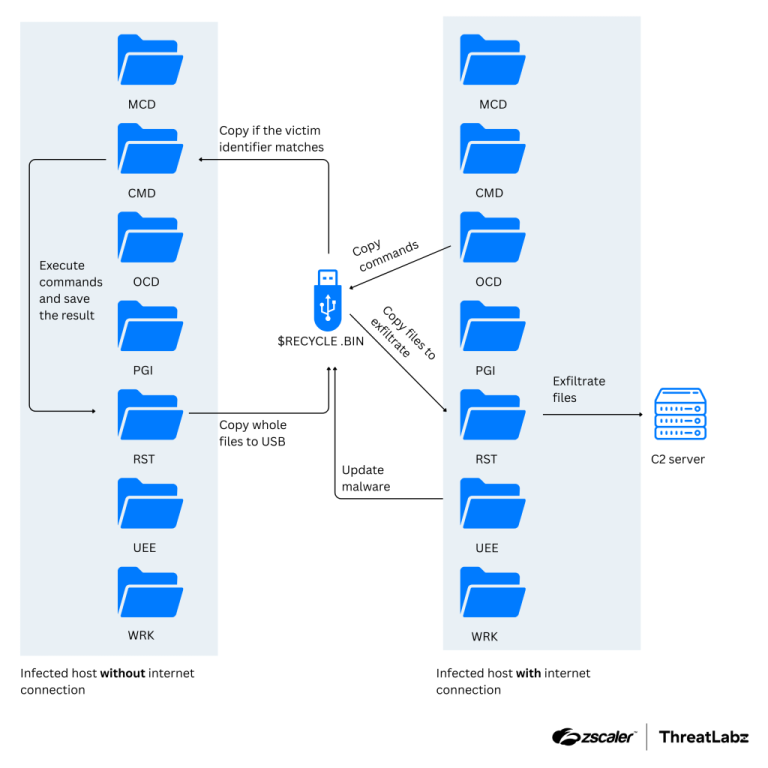
APT37 combines cloud storage and USB implants to infiltrate air-gapped systems
North Korea-linked APT 37 used Zoho WorkDrive and USB malware to breach…

US punished Colombia’s outgoing leader for calling Gaza war ‘genocide’ – FM to RT (VIDEO) — RT World News
Washington’s sanctions against Gustavo Petro and its worsening ties with Bogota had…

Russia opens applications for international film session
The Diamond Butterfly award brings together young filmmakers from around the world…
- CVE-2026-3909 (CVSS score: 8.8) – Out-of-bounds write in the Skia 2D graphics library that lets a remote attacker trigger memory corruption by tricking a user into opening a specially crafted HTML page.
- CVE-2026-3910 (CVSS score: 8.8) – Flaw in the implementation of the V8 JavaScript/WebAssembly engine that lets a remote attacker run arbitrary code within the browser sandbox using a maliciously crafted HTML page.
The company informed users that the Stable channel has been updated to version 146.0.7680.75/76 for Windows and Mac, and 146.0.7680.75 for Linux. The update will roll out over the coming days and weeks. A full list of changes in this build is available in the log.
In mid-February, Google released urgent security updates to address another high-severity zero-day vulnerability, tracked as CVE-2026-2441 (CVSS score of 8.8), in Chrome that is already being exploited in real-world attacks. The flaw is a use-after-free bug in the browser’s CSS component.
It was the first actively exploited Chrome zero-day fixed in 2026, after eight similar flaws were patched in 2025. An attacker could exploit the flaw to compromise affected systems. The issue was discovered and responsibly reported by security researcher Shaheen Fazim on February 11, 2026.
Google has confirmed that an exploit for CVE-2026-2441 exists in the wild, but has not shared details about how it is being used or which threat actor is behind the exploitation of the flaw.