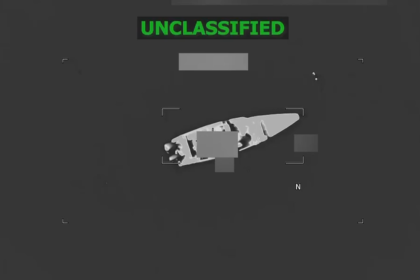





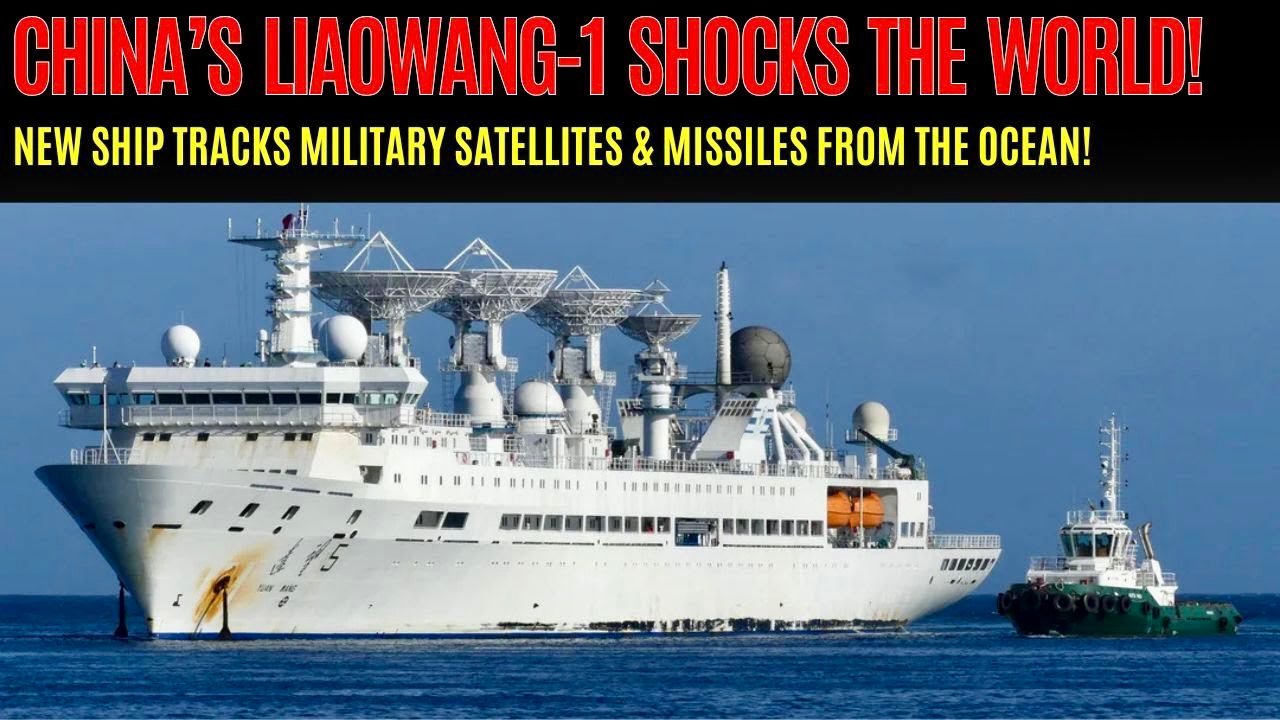
The Chinese navy just dropped a beast into the ocean that’s got everyone from Pentagon planners to armchair strategists losing sleep. Meet the Liaowang-1 — China’s monster new tracking ship that’s not just watching the stars, but potentially rewriting the rules of modern conflict.
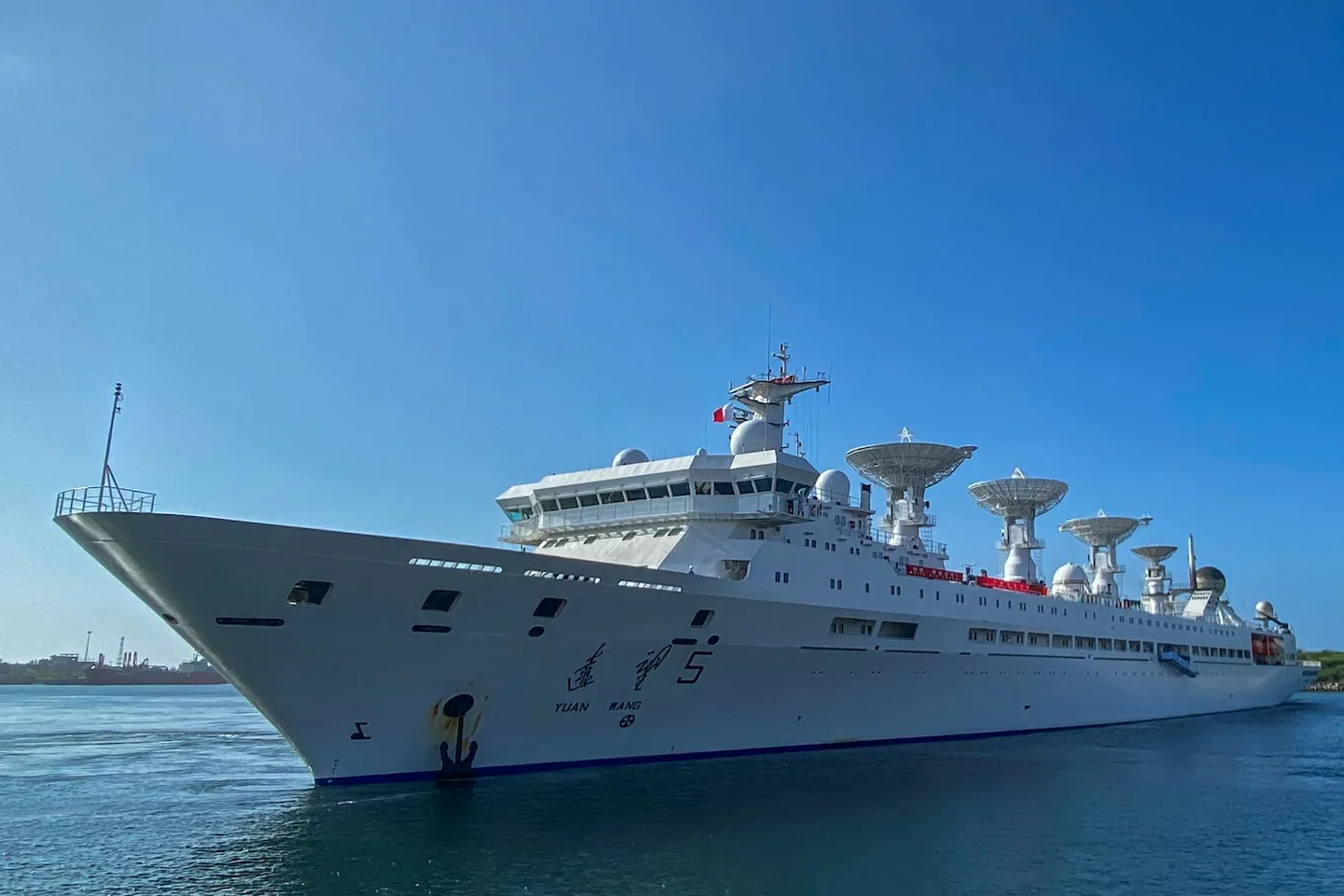
Picture this: a 30,000-ton floating fortress, longer than two football fields, bristling with massive radar domes that look like giant white golf balls plopped on a rusty deck. Those aren’t decorations. They’re eyes that can lock onto 1,200 targets at once across 6,000 kilometers — think stealth jets slipping through the sky, ballistic missiles arcing overhead, even military satellites orbiting thousands of miles up. And right now? It’s parked off Oman’s coast in the Gulf of Oman, right in the middle of one of the hottest flashpoints on the planet.
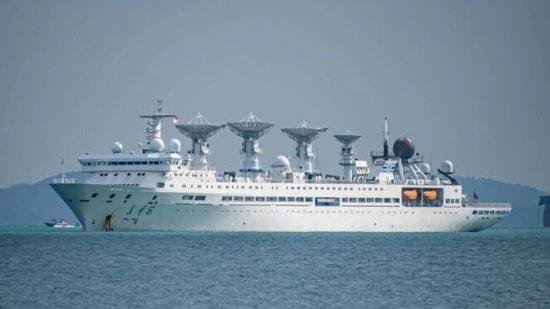
This thing isn’t your grandpa’s spy ship. Launched in 2023, sea-trialed late 2024, and commissioned in April 2025, Liaowang-1 is the successor to the old Yuanwang series — those reliable but aging workhorses China used since the 1970s for rocket tests and satellite handshakes. But this new kid? It’s on steroids. Deep neural networks crunch the data in real time, hitting over 95% accuracy even when the air’s thick with jamming or weather interference. It “sees through” hypersonics, spots stealth birds like the F-35 or B-2, and tracks everything from carrier strike groups to ICBM reentries. Officially, Beijing calls it a space support vessel for peaceful launches. Sure. But those same sensors that babysit a Chinese rocket can babysit — or blind — an American carrier task force.
And the timing? Brutal. With tensions boiling over in the Middle East — U.S. and Israeli strikes, Iranian counterpunch, radars getting knocked out left and right — this ship shows up escorted by Type 055 and Type 052D destroyers (China’s most badass surface combatants). Analysts aren’t whispering; they’re shouting: it’s collecting real-time electromagnetic intel on Western moves. Is that data flowing straight to Tehran? No smoking gun from Beijing or Iran admits it. But come on. The ship’s position screams intent. Iranian defenses are battered, their own radars degraded — suddenly they nail high-value targets with uncanny precision. Coincidence?

Twisted Florida Teens Joked About Mugshots After Plotting School Murder – Chilling Video Drops
Two Florida high schoolers – 14-year-old Lois Olivios Lippert and 15-year-old Isabelle…
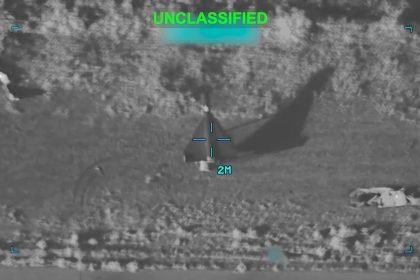
US Precision Strikes Dismantle Iranian EW and Missile Assets
U.S. Central Command (CENTCOM) has intensified its air campaign, deploying MLRS (Multiple…

Ben Shapiro Says America Must Deploy Ground Troops
Just when you thought we might finally be done with the "forever…
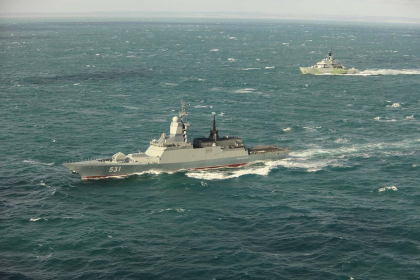
High-Stakes Escort: British Royal Navy Shadows Russian Corvette in English Channel
A tense maritime standoff unfolded in the English Channel this week as…

Nioh 3 Just Got a Massive 1GB Glow-Up: Free Armor and Finally, Better Co-Op!
Team Ninja is not playing around. While most devs are still "investigating"…

Woke Scam Alert: Jennifer Felix Used Fake Eskimo Status to Secure $16.7M via SBA 8(a) Program
The viral X post from @Theswampmonitor exposes Jennifer Felix, who allegedly faked…
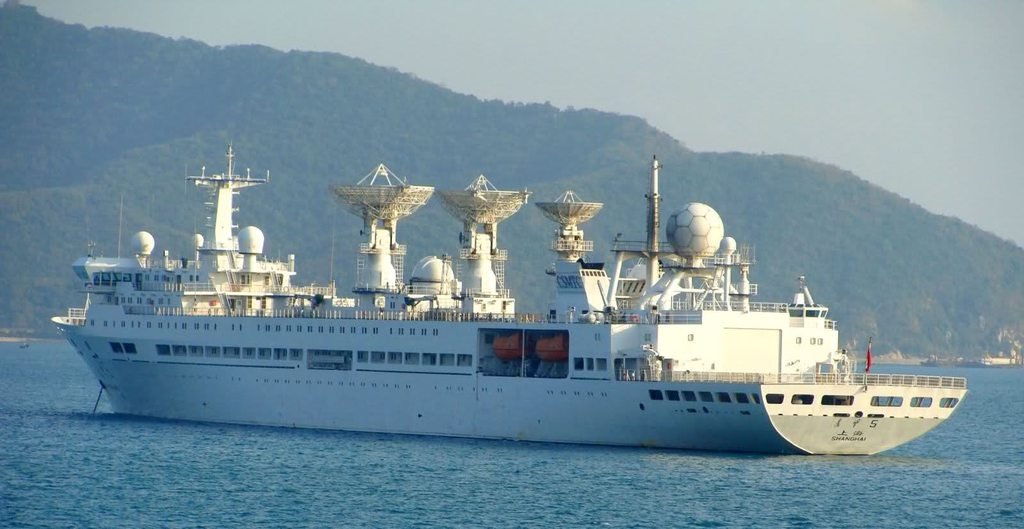
Remember the Cold War? Soviet AGI ships shadowed U.S. carriers for decades, feeding data without firing a shot. This is that playbook — upgraded with AI and sheer scale. Liaowang-1 isn’t shooting missiles. It’s doing something scarier: removing the fog of war for one side while the other scrambles. Ships in the Gulf are already spoofing AIS signals to scream “Chinese crew onboard” just to avoid getting hit. The ocean’s insurance policy flipped from the U.S. Navy to a Beijing phone call. Wild.
I’ve followed Chinese naval modernization for years, and this feels like a tipping point. Not because it’s invincible — it’s not. But because it normalizes what used to be unthinkable: a rival power parking a giant sensor node in international waters during someone else’s war, watching everything, sharing just enough to tilt the board. Beijing’s not neutral here. It’s pricing influence, and the price is looking cheap compared to direct involvement.
So what happens next? Does the U.S. risk escalating by shadowing it too closely? Force it out? Or just grit teeth and accept the new reality? One thing’s clear: Liaowang-1 isn’t hiding. It’s flexing — right where it hurts most.
China’s building the future of surveillance from the sea up. And right now, that future is staring straight at the Persian Gulf.