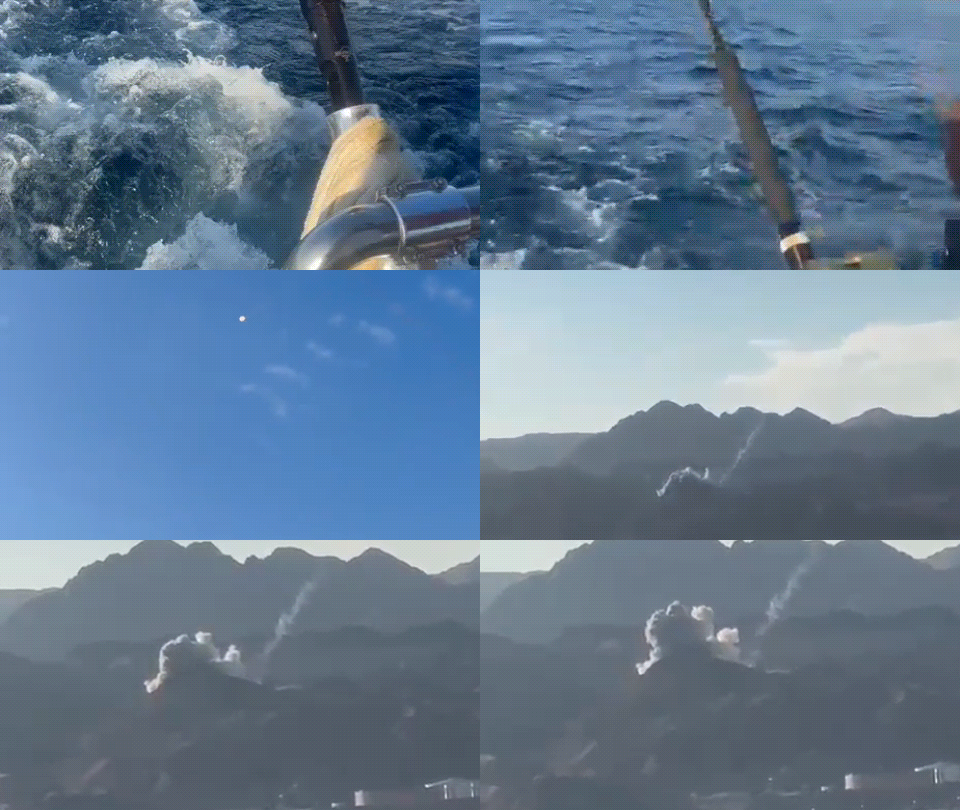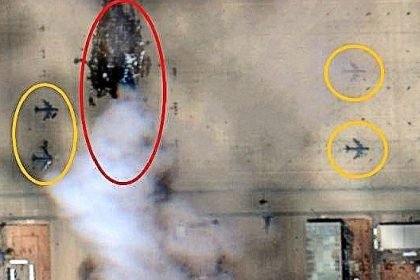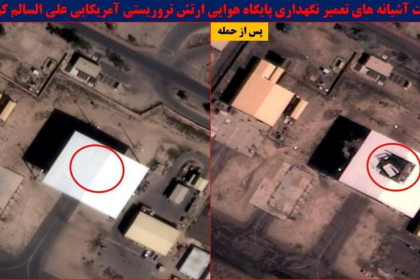





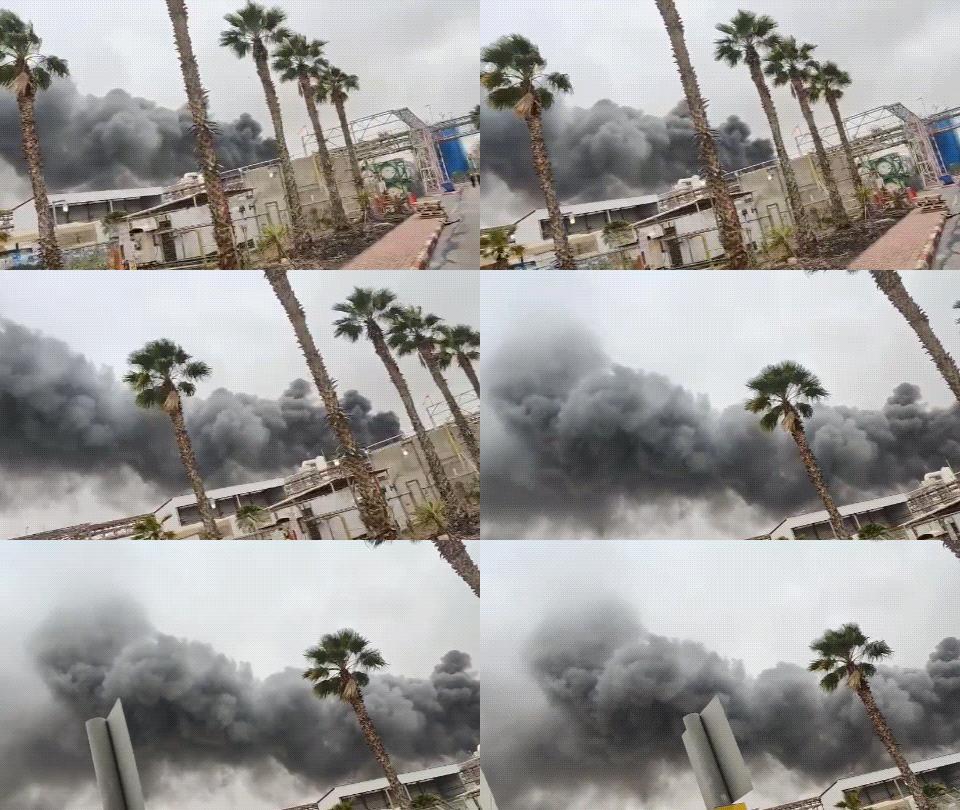
A high-stakes escalation in the Negev Desert has sent ripples through the global energy and chemical markets. On March 29, 2026, an Iranian missile struck the Ramat Hovav industrial area, a critical strategic nerve center south of Beersheba.
Known as the backbone of Israel’s heavy industry, Ramat Hovav produces approximately 50% of the nation’s chemicals. Beyond its manufacturing output, the site houses a vital power plant and extensive hazardous material storage facilities.
While emergency teams are currently assessing the impact on infrastructure, the strike marks a deliberate move against Israel’s economic and energy security. As the smoke clears over the Negev, the focus shifts to potential supply chain disruptions and the resilience of the region’s chemical sector.
The Ne’ot Hovav Industrial Council (formerly Ramat Hovav) is a unique municipal body established in 1989 to manage Israel’s largest eco-industrial park. Spanning 80,000 acres in the Negev, it oversees 19 major chemical plants, a power plant, and the nation’s primary hazardous waste treatment facility.

China now leads by a generation in hypersonic & anti-ship ballistic missiles
These 4 Chinese Dongfeng missiles from the 2025 V-Day parade: 2. DF-26D:…


Is the Phillies’ Corporate Greed Eroding Citizens Bank Park’s Soul?
The Philadelphia Phillies are winning on the field, but they might be…

M-Sport’s Rich Millener on Safari Survival: Lessons in “Mud Management”
The 2026 WRC Safari Rally Kenya has lived up to its reputation…

Return to Estard: Why Dragon Quest VII Reimagined is 2026’s Must-Play RPG
Square Enix just dropped the third "Adventure Log" trailer for Dragon Quest…
From Standoff to Stand-in: The Shifting Tactics of Operation Epic Fury
The air campaign over Iran has entered a new and more aggressive…
The council provides specialized infrastructure, emergency preparedness, and environmental monitoring for global leaders like Adama, Teva, and ICL, contributing over $4 billion in annual exports while pioneering “industrial symbiosis” for sustainable manufacturing.
Quick Stats for your Article:
- Established: 1989 (Industrial Council); 1975 (Initial Zone)
- Key Services: Hazardous waste management, industrial energy supply, and environmental regulation.
- Economic Impact: Provides a livelihood for approximately 11,000 families in the Negev region.
Here are the top three industrial giants operating in Ne’ot Hovav (Ramat Hovav). These companies represent the “backbone” of the sector and are the primary drivers behind that 50% of national production statistic.
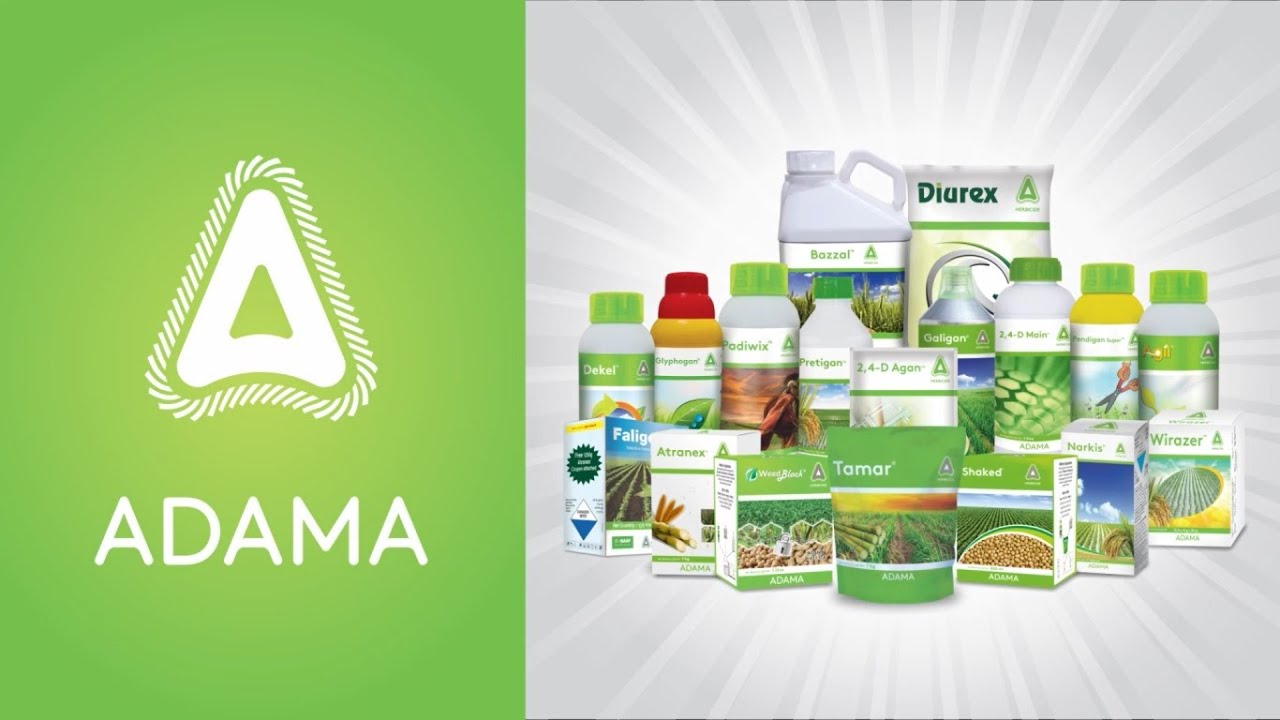
1. ADAMA Agricultural Solutions
- The Sector: Global Crop Protection (Pesticides, Herbicides, Fungicides).
- Significance: Formerly known as Makhteshim Agan, this is one of Israel’s ten largest companies. Their Ne’ot Hovav complex includes a massive global R&D center and production lines that export to over 100 countries.
- Why it matters: An attack here threatens global food supply chains, as they are a key provider for farmers worldwide.
2. Teva Pharmaceutical Industries (Teva-Tech)
- The Sector: Pharmaceuticals and Active Pharmaceutical Ingredients (APIs).
- Significance: This facility—often called Teva-Tech—produces the raw chemical components used to manufacture medicines in hospitals and pharmacies globally.
- Why it matters: It is a critical link in the global healthcare chain; any disruption at this site can lead to shortages of essential medications far beyond Israel’s borders.

3. ICL Group (Israel Chemicals Ltd. / ICL-IP)
- The Sector: Bromine and Specialty Minerals.
- Significance: ICL is a world leader in bromine production. The Ne’ot Hovav plant specializes in bromine-based flame retardants and other industrial chemicals derived from Dead Sea minerals.
- Why it matters: Bromine is essential for everything from electronics and automotive parts to water treatment. ICL also operates Mifaley Tovala, the massive logistics arm that moves these hazardous materials through the Negev.