




LIMA, Peru — Home to over 10 million residents, Lima is a city of striking contrasts. From the bustling historic corridors of the Mercado Central to the steep, foot-accessible hillsides of San Juan de Lurigancho, Peru’s capital offers a raw look at daily life, regional culture, and urban expansion in Latin America.
Navigating the Heart of Lima: Mercado Central & Chinatown
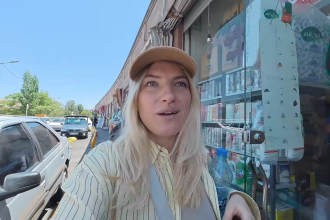
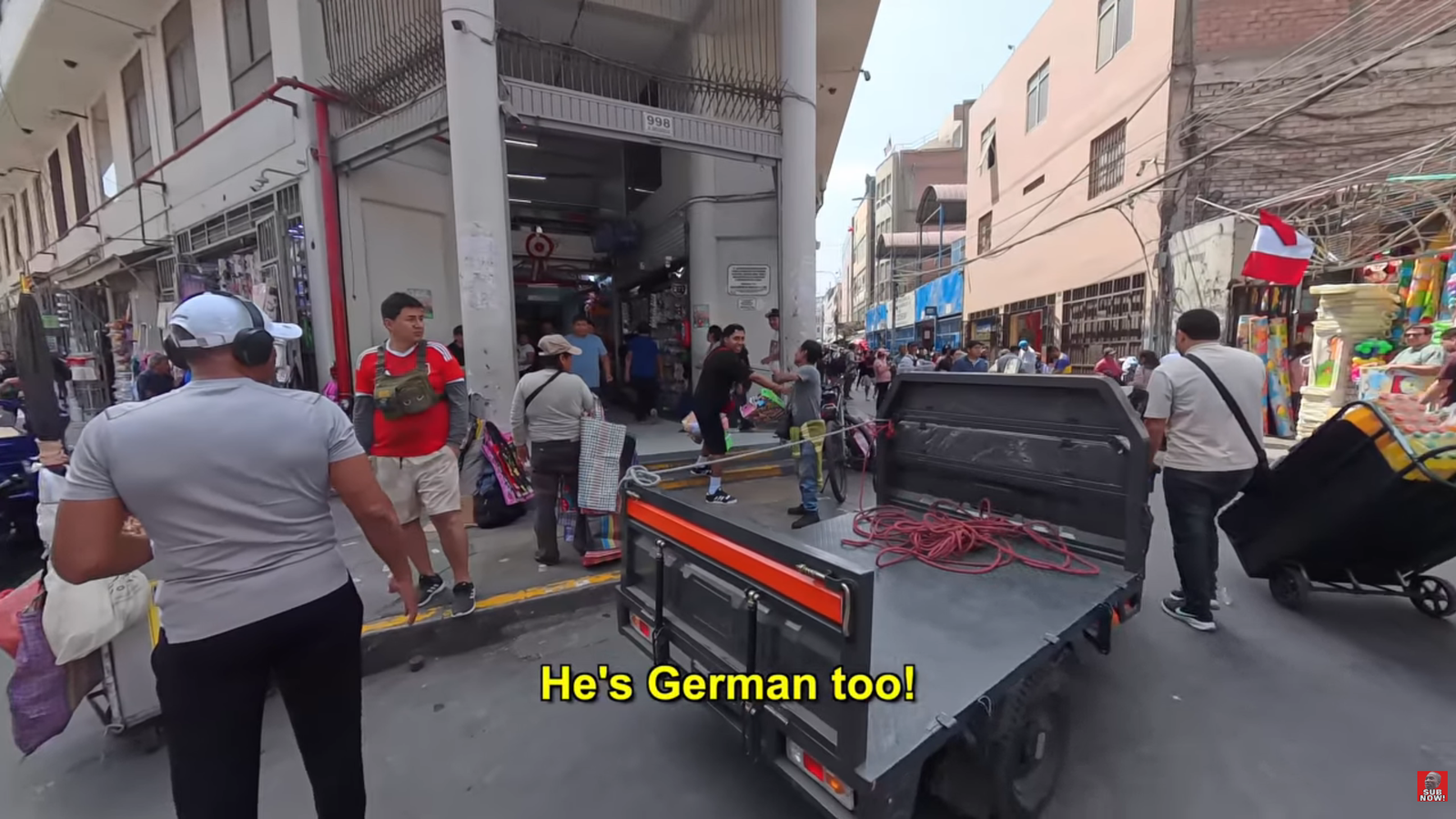
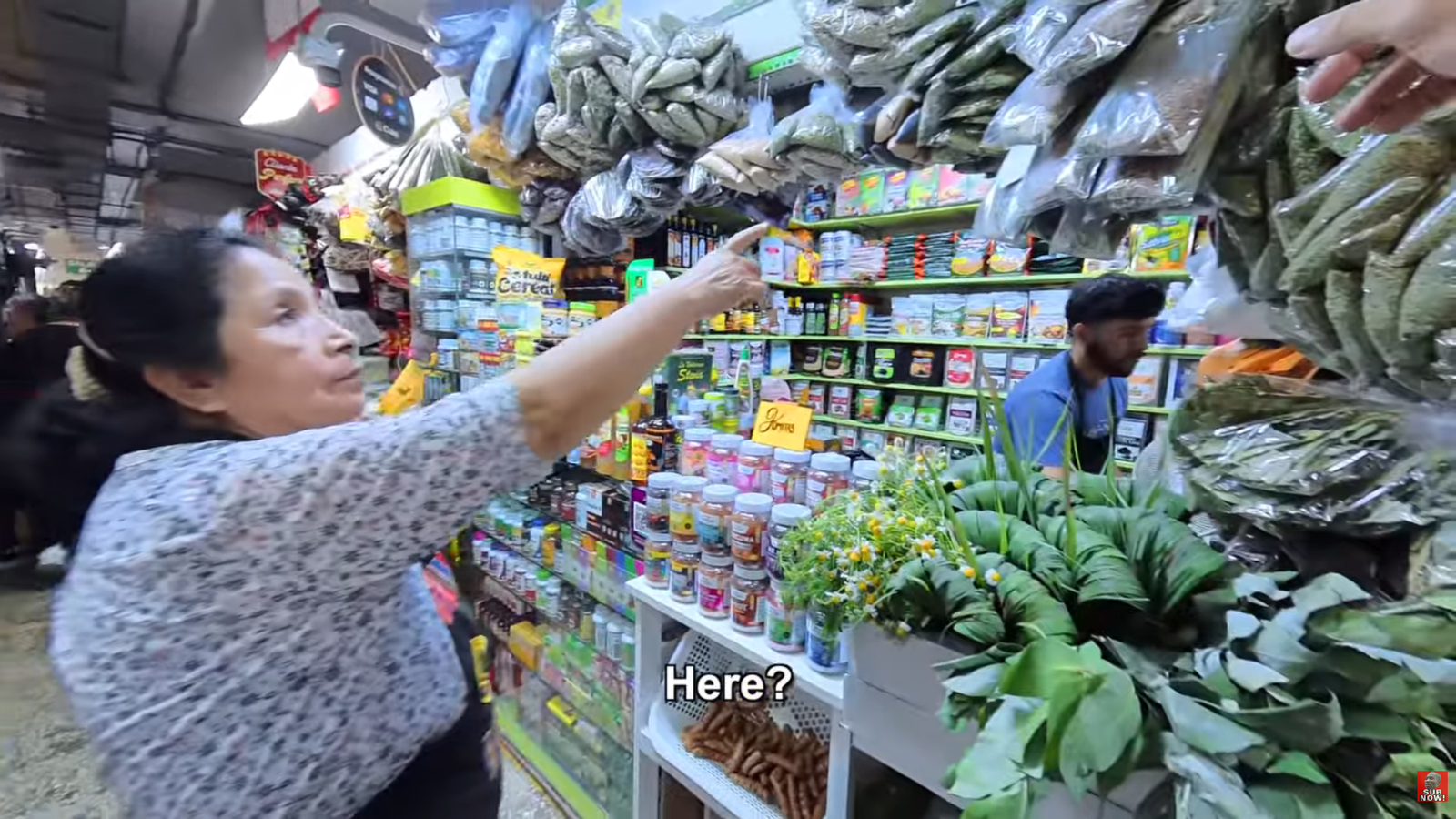
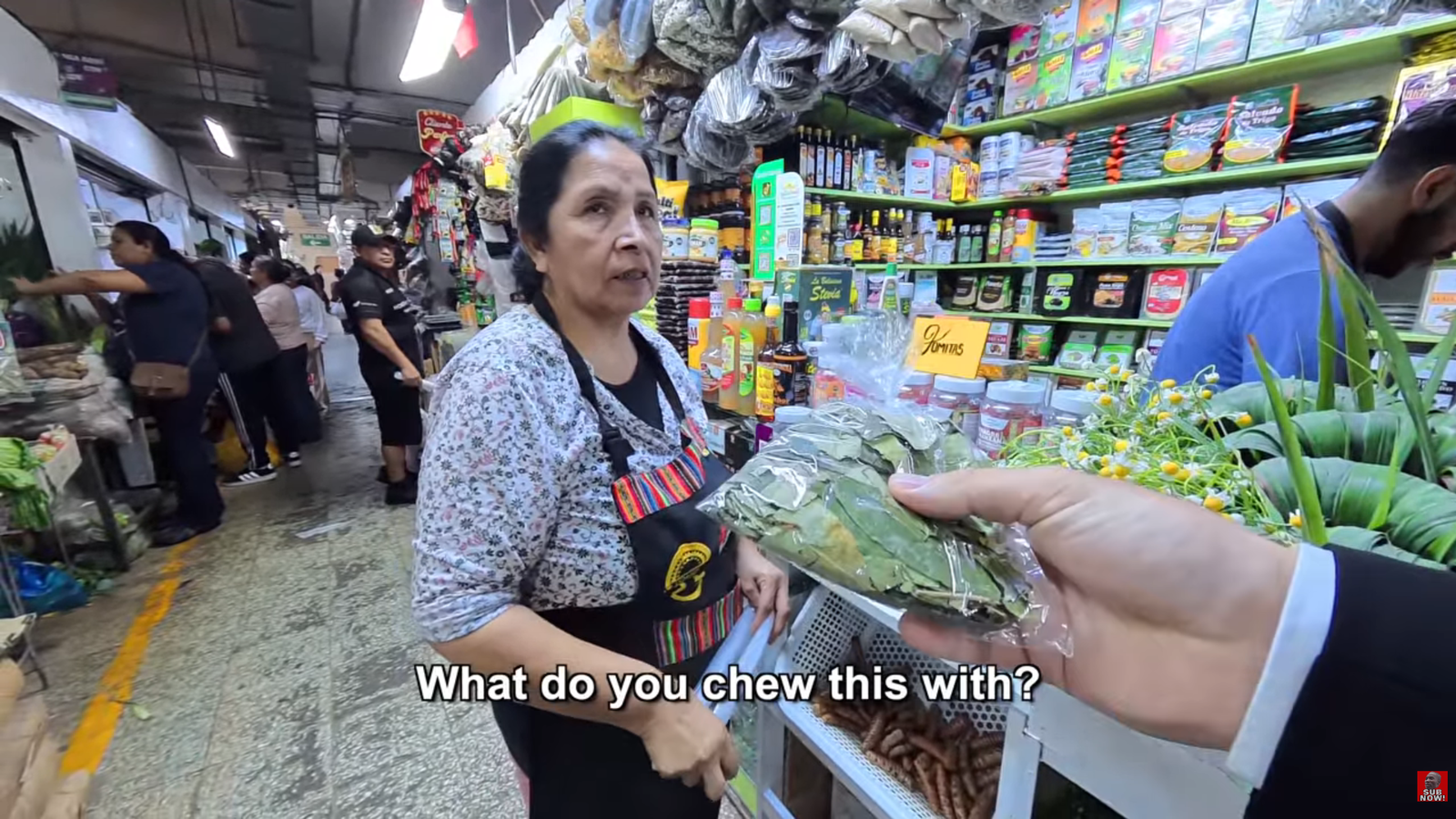
The journey through Lima often begins in the city’s historic center at the Mercado Central. This expansive commercial hub is packed with vendors selling fresh produce, traditional medicinal remedies, and local delicacies.
┌───────────────────────────────────────────────────────────┐
│                    LIMA MARKET AT A GLANCE                │
├───────────────────────────┬───────────────────────────────┤
│ Mercado Central Highlights│ Herbal remedies, cocoa leaves │
│ Culinary Influences       │ Chinese (Chifa), Japanese     │
│ Neighborhood Highlights   │ Barrio Chino (Chinatown)      │
└───────────────────────────┴───────────────────────────────┘
A short walk from the central market leads into Barrio Chino (Chinatown). The presence of East Asian culture in Peru dates back to waves of 19th and 20th-century immigration, which permanently shaped the country’s social fabric and culinary traditions. This fusion is most evident in Peru’s Chifa cuisine, which blends traditional Chinese wok cooking techniques with local Peruvian ingredients.
Traditional Uses of Cocoa Leaf
Deep inside the markets, vendors sell traditional items including bags of raw cocoa leaves. Culturally significant throughout the Andes region for centuries, cocoa leaves are traditionally chewed or brewed into tea to combat altitude sickness, relieve fatigue, and serve as a natural stimulant. When chewed with a small amount of alkaline activator (often an ash-based paste), the natural alkaloids are released, causing a light numbing sensation in the mouth.
One of the World’s Most Neglected Killers Is Far Deadlier Than Official Numbers Suggest. Snakebites Could Be Killing 513,000 People a Year
Credit: Unsplash. Snakebite may be killing far more people than anyone realized.…

Google fixes first actively exploited Chrome zero-day of 2026
Google patched Chrome zero-day CVE-2026-2441, a high-severity CSS use-after-free flaw actively exploited…
HoYoverse’s Pokémon Rival Won Me Over – I Just Need It on PS5
I’ve never played an auto chess game – or auto battler, as…

CIA Director Pushed Trump-Putin-Zelensky Summit During Moscow Visit: Report
Yet another take has been issued, and more alleged details, on CIA Director…

Ubisoft’s H.A.W.X. Misstep Exposes the High-Cost Pitfalls of Aerial Simulation Development
Ubisoft Entertainment SA’s financial miscalculations regarding Tom Clancy's H.A.W.X. 2 continue to…
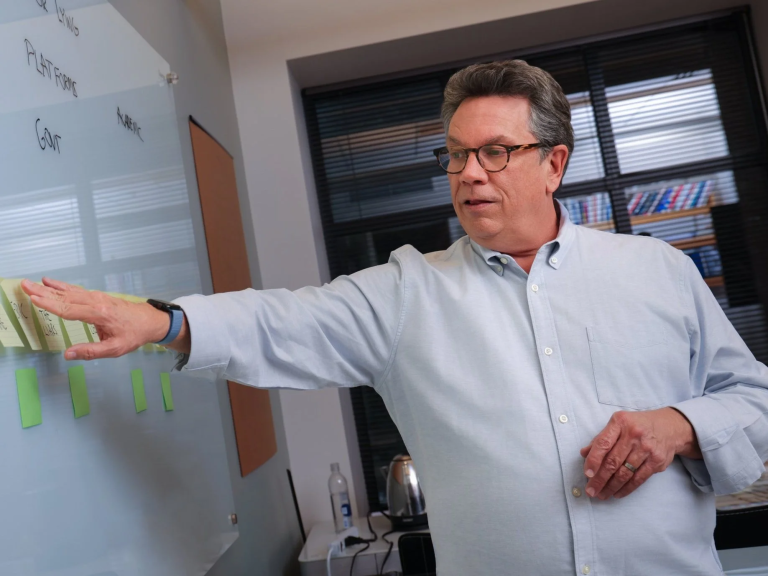
Bill Adair: The Evolution, Methodologies, and Criticisms of Modern Fact-Checking
Bill Adair, the Knight Professor of the Practice of Journalism and Public…
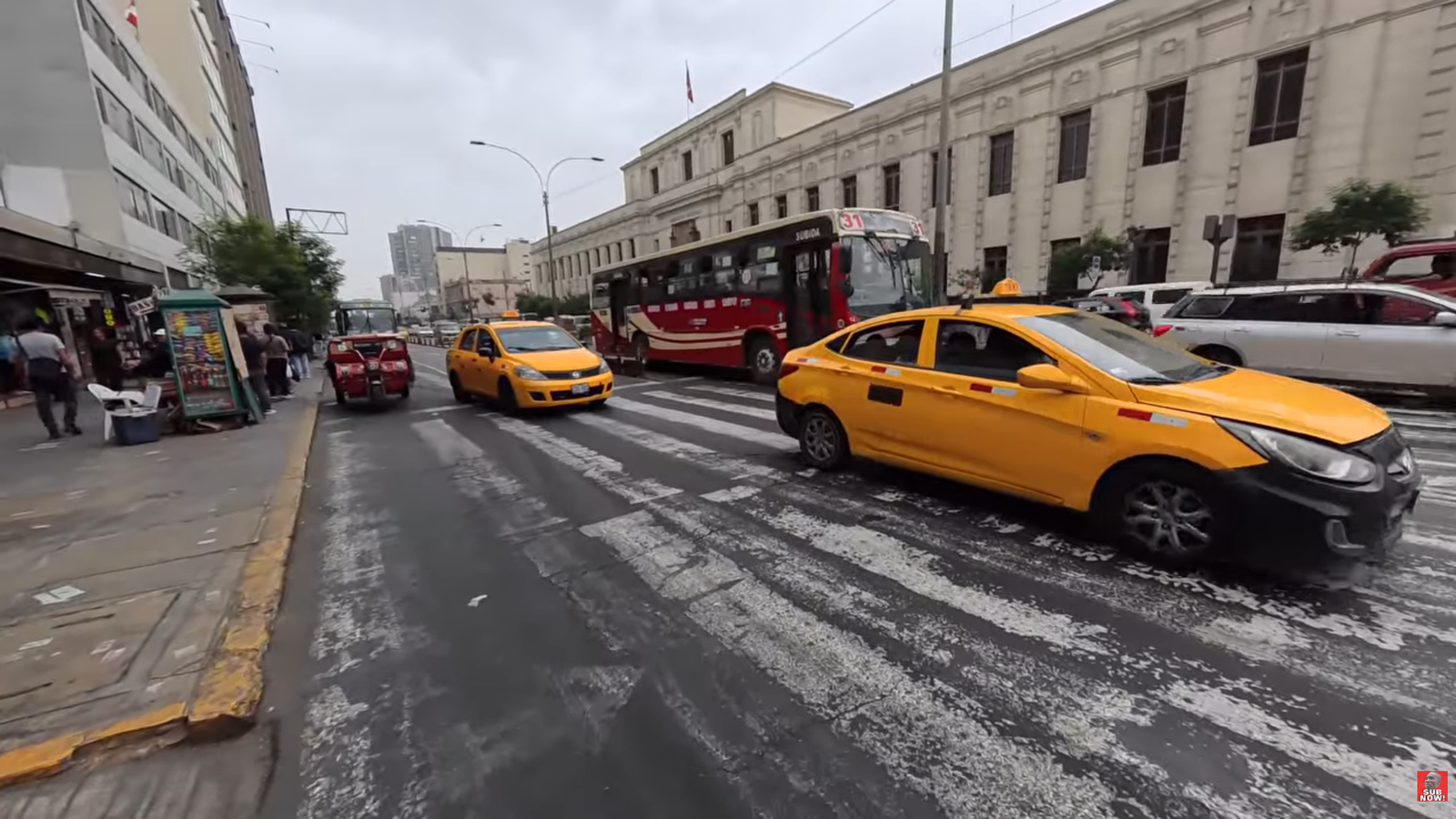
Inside San Juan de Lurigancho: South America’s Largest Neighborhood
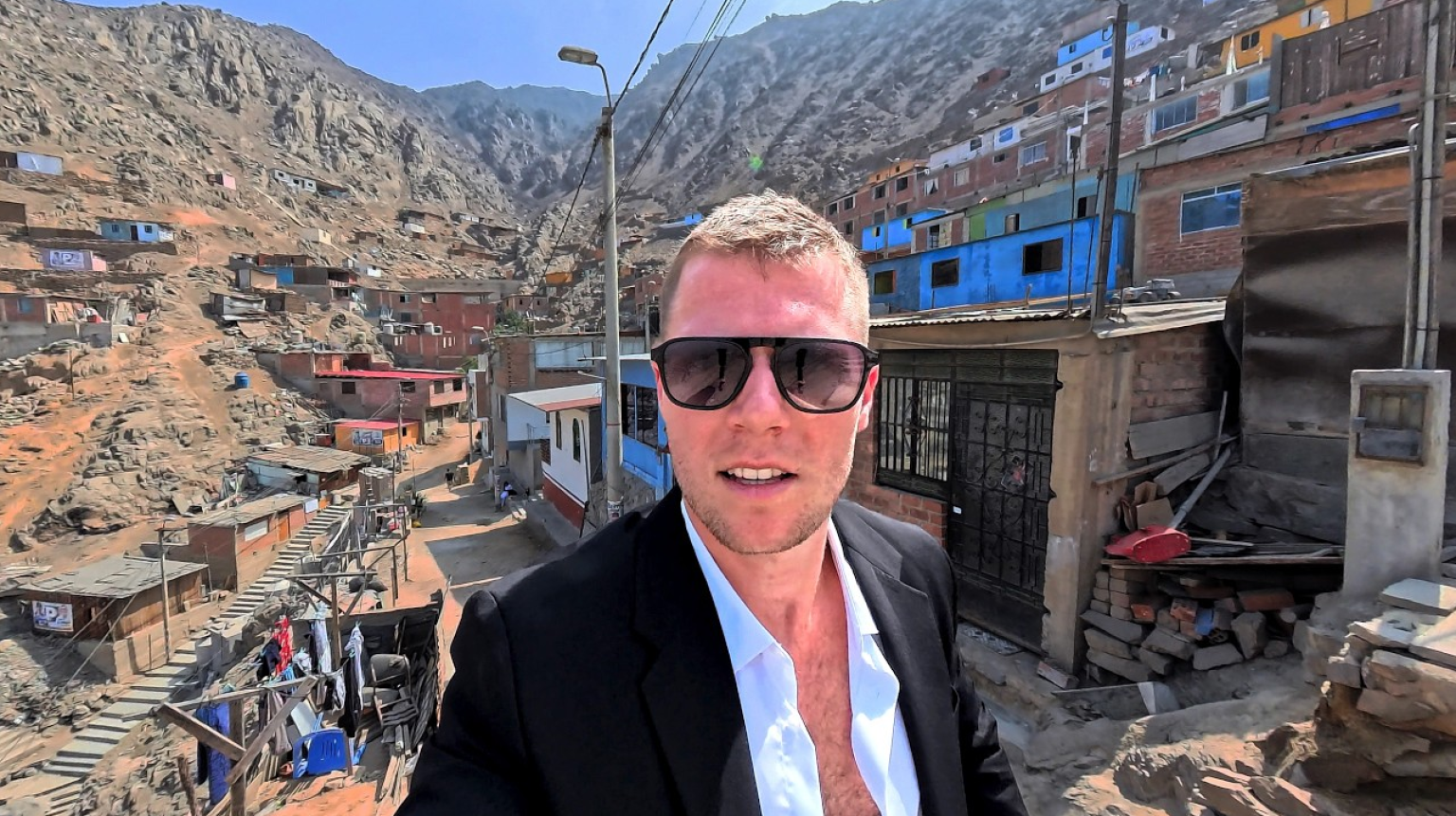
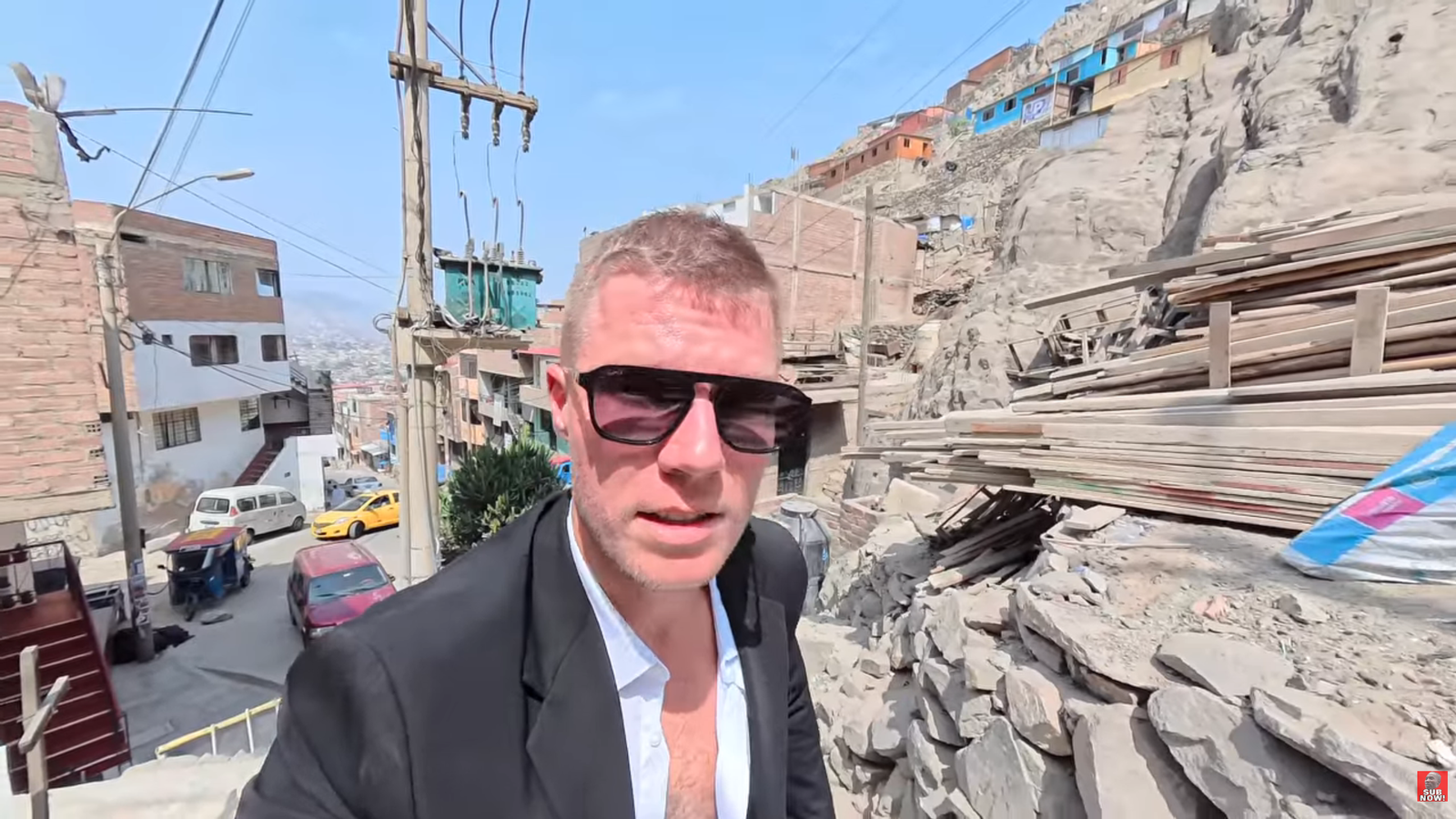
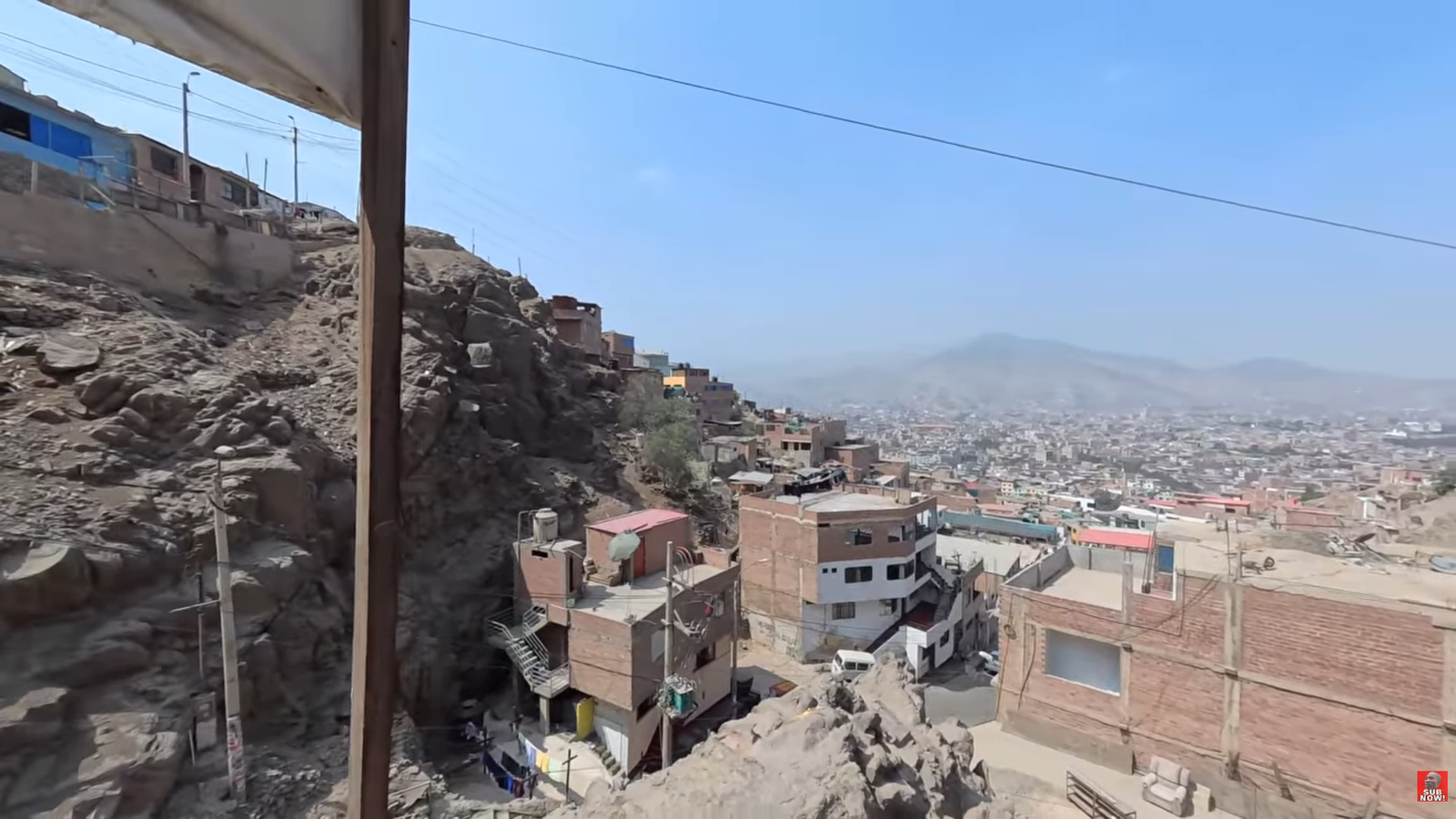
To understand Lima’s modern urbanization, one must head north across the Rimac River to San Juan de Lurigancho (SJL).
- Population: Home to over 1.2 million officially registered residents (and estimated at up to 2 million including informal settlements), SJL is the most populated district in Peru and one of the largest single urban neighborhoods in Latin America.
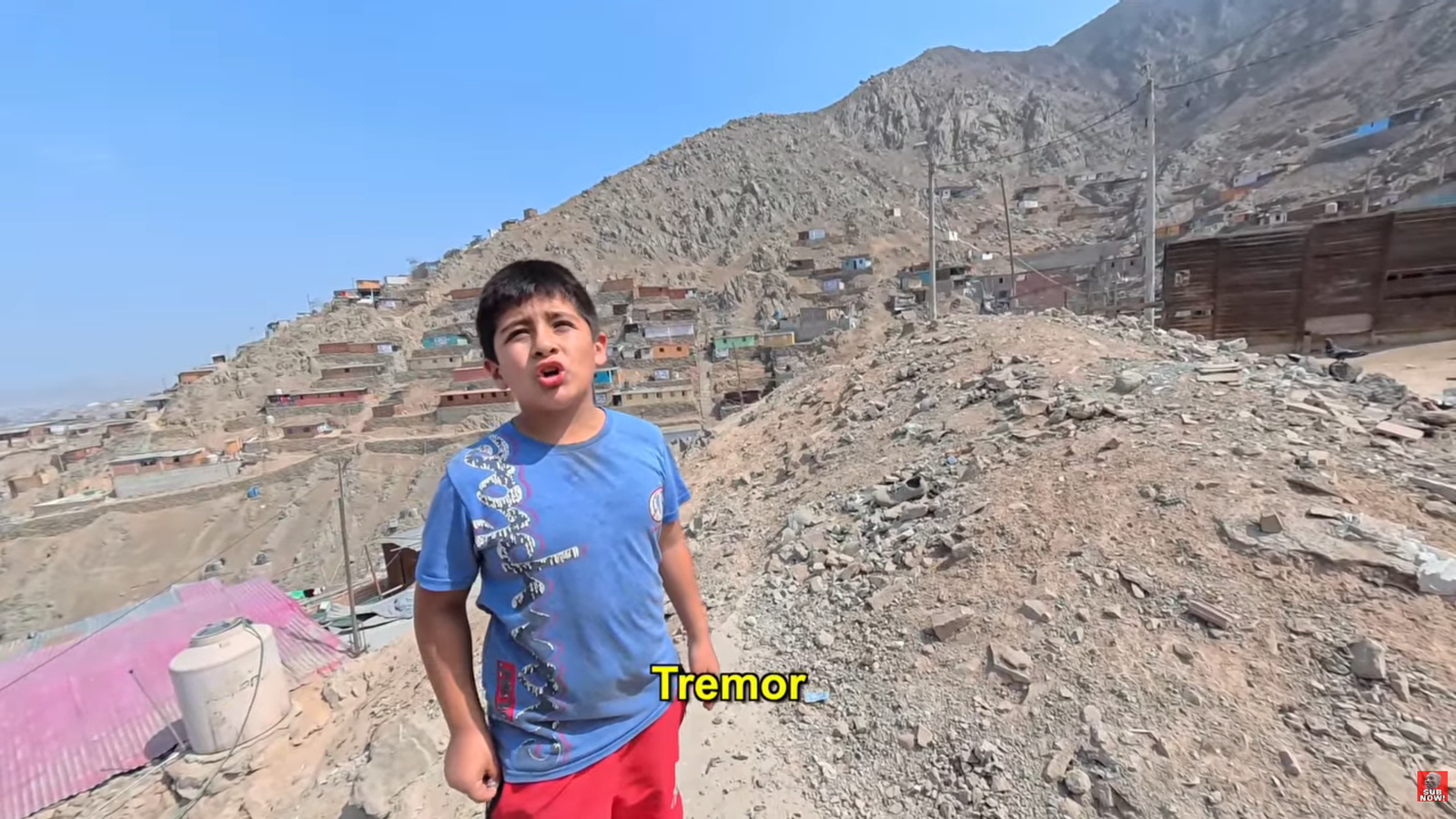
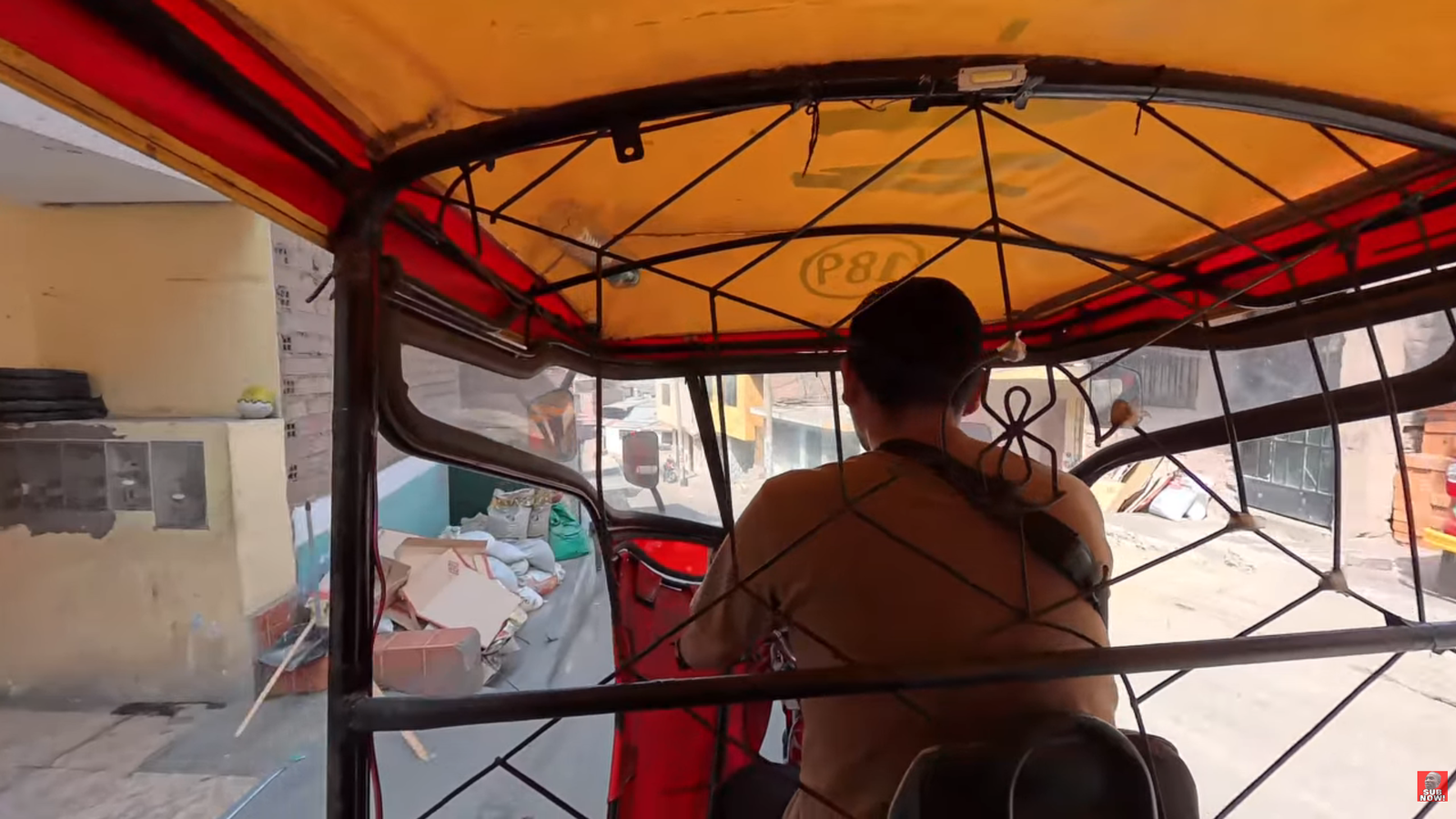
- Geography & Expansion: Originating as rural land decades ago, the district expanded rapidly as families migrated from the Andean highlands. Houses are built directly into steep mountainsides, where community footpaths and staircases replace traditional roads.
- Local Landmarks: SJL houses major national infrastructure, including the Miguel Castro Castro prison complex and line extensions of the Lima Metro.
Despite its reputation as a rugged and sometimes perilous area, the district’s high-altitude hillside settlements (comunas) rely heavily on tight-knit community structures to build housing, manage water access, and maintain public footpaths.
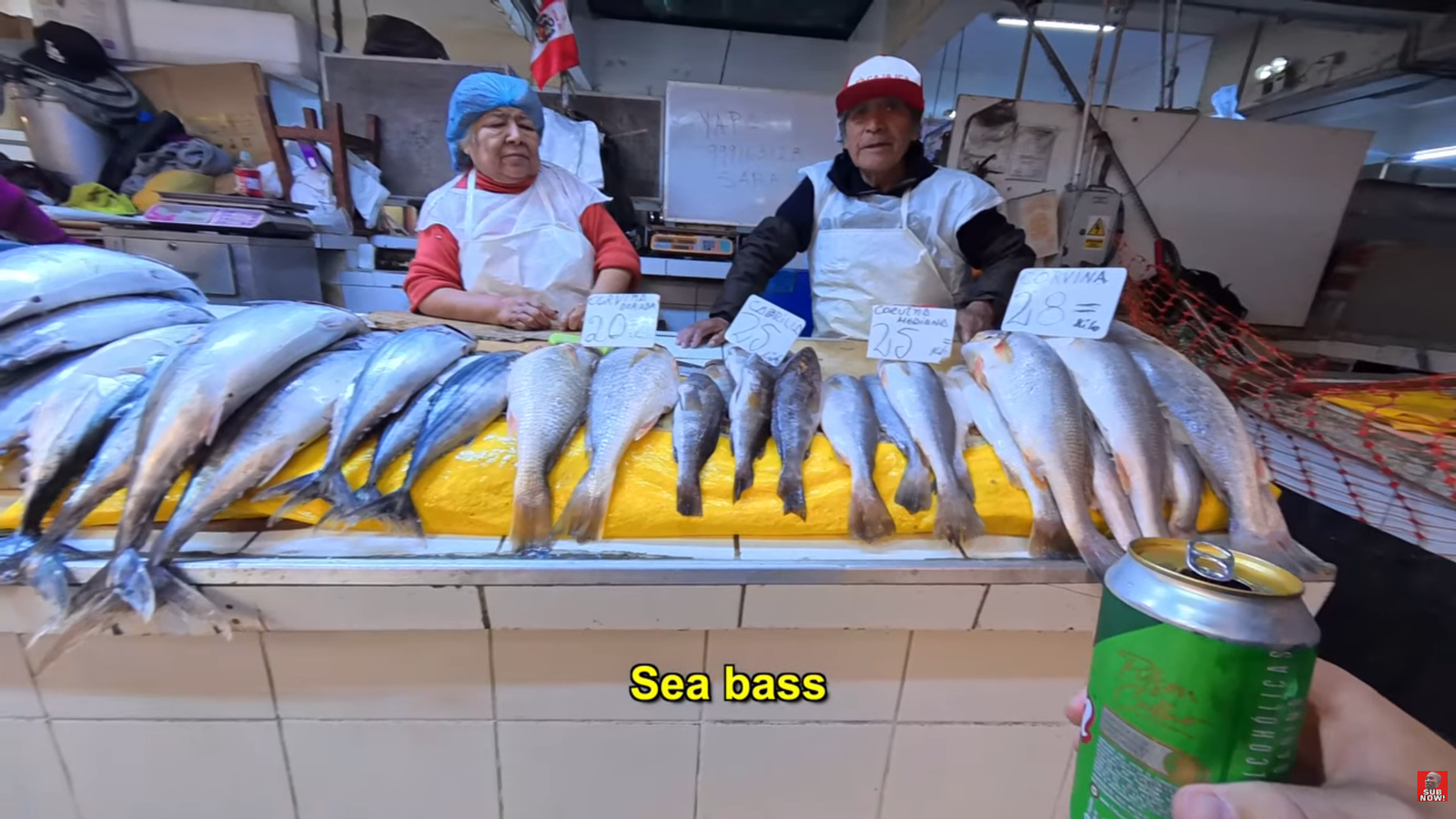
Traditional Peruvian Gastronomy: Tried and Tested
Peruvian cuisine is globally celebrated, but local markets offer dishes that can test the palate of international visitors.
Street-Side Anticuchos
Found throughout street stalls and market corridors, anticuchos are skewered, marinated meats grilled over open flames. Traditionally made from beef heart (anticuchos de corazón), they feature a dense, chewy texture seasoned with garlic, vinegar, cumin, and ají panca chili pepper.
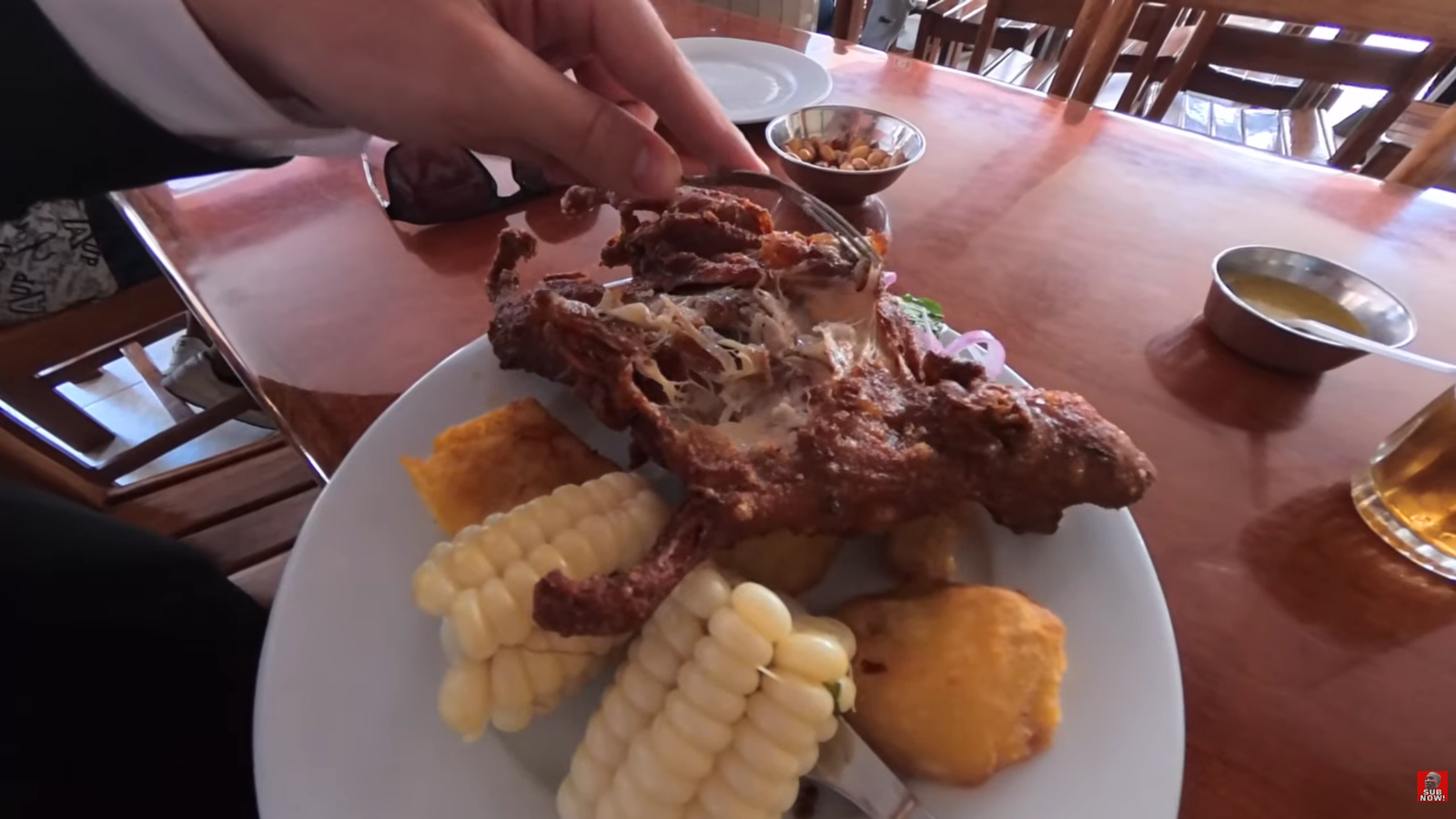
Cuy Chactado (Fried Guinea Pig)
In traditional market eateries, cuy (guinea pig) remains an important source of protein in the Andean diet.
- Preparation: Cuy chactado is butterfly-cut, heavily seasoned, pressed flat with a heavy stone, and deep-fried until the skin becomes extra crispy.
- Serving Style: It is typically served whole alongside Andean staples such as broad-kernel corn (choclo), native potatoes, and fresh salad.
Callao: History and Maritime Culture at the Port
Located right on the Pacific Ocean, Callao serves as Peru’s primary seaport and houses the nation’s main international airport.
                 PERUVIAN COAST
      ┌──────────────────────────────────┐
      │          PACIFIC OCEAN           │
      └────────────────┬─────────────────┘
                       │
             [ Port of Callao ] ── Historical Murals & Naval History
                       │
           [ Central City / SJL ]
While parts of Callao face urban challenges, crime warnings, and heavy security measures, the constitutional province carries a rich history:
- Naval Legacy: Historical murals along the transit corridors commemorate military figures such as Colonel Francisco Bolognesi and key naval battles.
- Street Food Specialties: Local vendors sell popular seaside pastries like bombita de yuca—fried cassava dough stuffed with sweet fillings or fruit marmalade.
- Historic Waterfront: The district terminates at waterfront locations such as La Punta, offering panoramic views of the Pacific harbor.
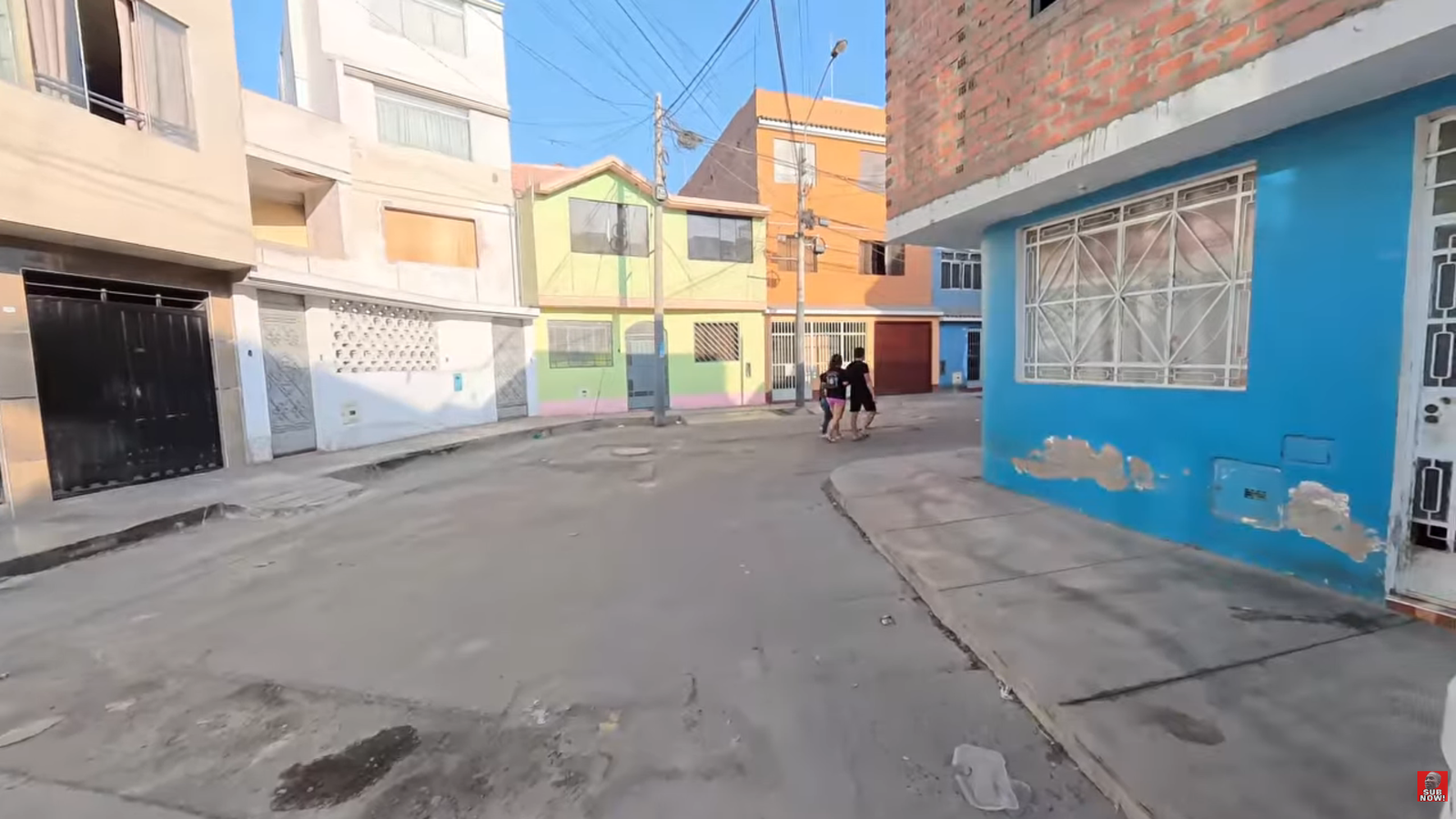
Whether navigating crowded market stalls, climbing the hills of San Juan de Lurigancho, or exploring the historic port of Callao, Lima remains a dynamic capital shaped by diverse cultures, deep history, and resilient communities.