





The close military alliance between the United States and Israel was severely tested in late 2013 following the discovery of an unauthorized transfer of highly sensitive, U.S.-derived missile and electro-optics technology directly to China. The breach triggered a formal investigation by Washington, intense diplomatic fallout, and the immediate resignation of a key Israeli defense official.
The Breach: Ricor’s Cryo-Coolers
The core of the controversy centered on the alleged transfer of sophisticated defense components produced by the Israeli company Ricor Cryogenic & Vacuum Systems.
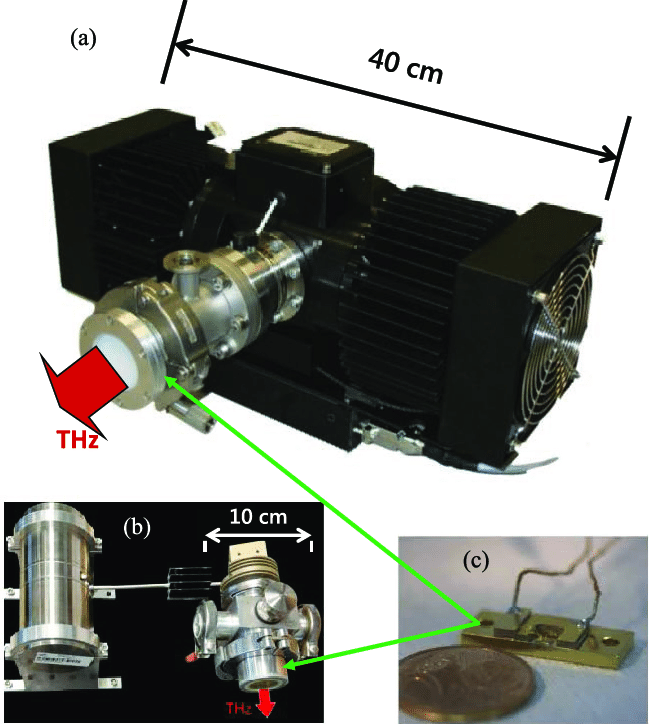
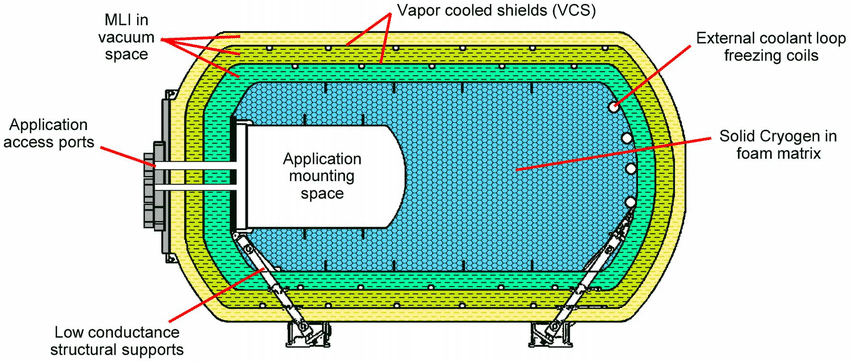
The specific technology identified in the U.S. investigation was a miniature refrigeration system, commonly known as a cryo-cooler. These devices are absolutely critical components in advanced military and surveillance systems, as they are essential for cooling the sensors used in:
- Missile Guidance Systems
- Thermal Weapon Sights
- Unmanned Aerial Vehicles (UAVs)
- Airborne Enhanced Vision Systems
The unauthorized shipment of these sensitive, U.S.-sourced components effectively put sophisticated Israeli technology, which relies heavily on American cooperation, into the hands of the Chinese military (PLA).

HydroFX Breaks Records: 100 Million Particles Power Next-Gen Fluid Simulations
March 31, 2026 — The world of high-end visual effects just hit…

BMF Bummer, UFC Freedom 250 & Netflix Ngannou
Sean is back with rapid-fire reactions to three of the top stories…

Stellar Wanderer DX Just Landed – And It’s Like Jumping Back to the Coolest Space Games Ever!
Whoa, check this out! Stellar Wanderer DX dropped today (March 12, 2026…

Zack Wheeler’s Road to Recovery: Phillies Ace Hits Major Milestone
The energy at the Carpenter Complex in Clearwater was electric this Monday…

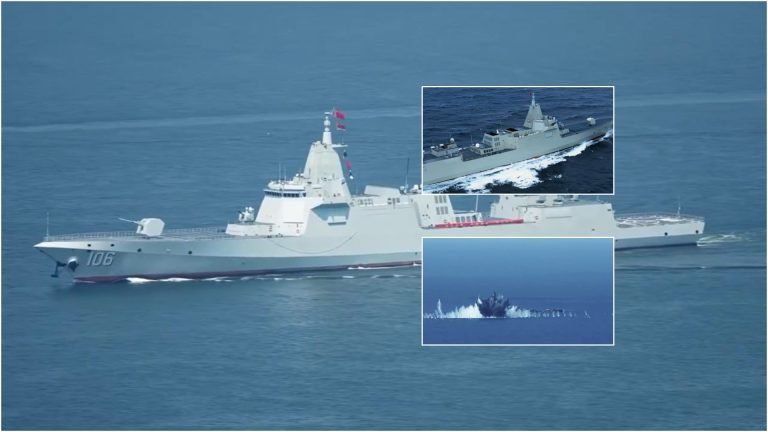
China’s PLA Navy just flexed hard: 10 Type 055 “super destroyers” now in the water, each packing 112 vertical launch cells loaded with hypersonic missiles that can scream 2,000 km.
That's not a fleet update. That's a statement. The post from PLA…
Resignation and Admission
Following the conclusions of the U.S. investigation, Meir Shalit, the Head of SIBAT (The Defense Export Controls Agency) within the Israeli Ministry of Defense, immediately resigned from his position.
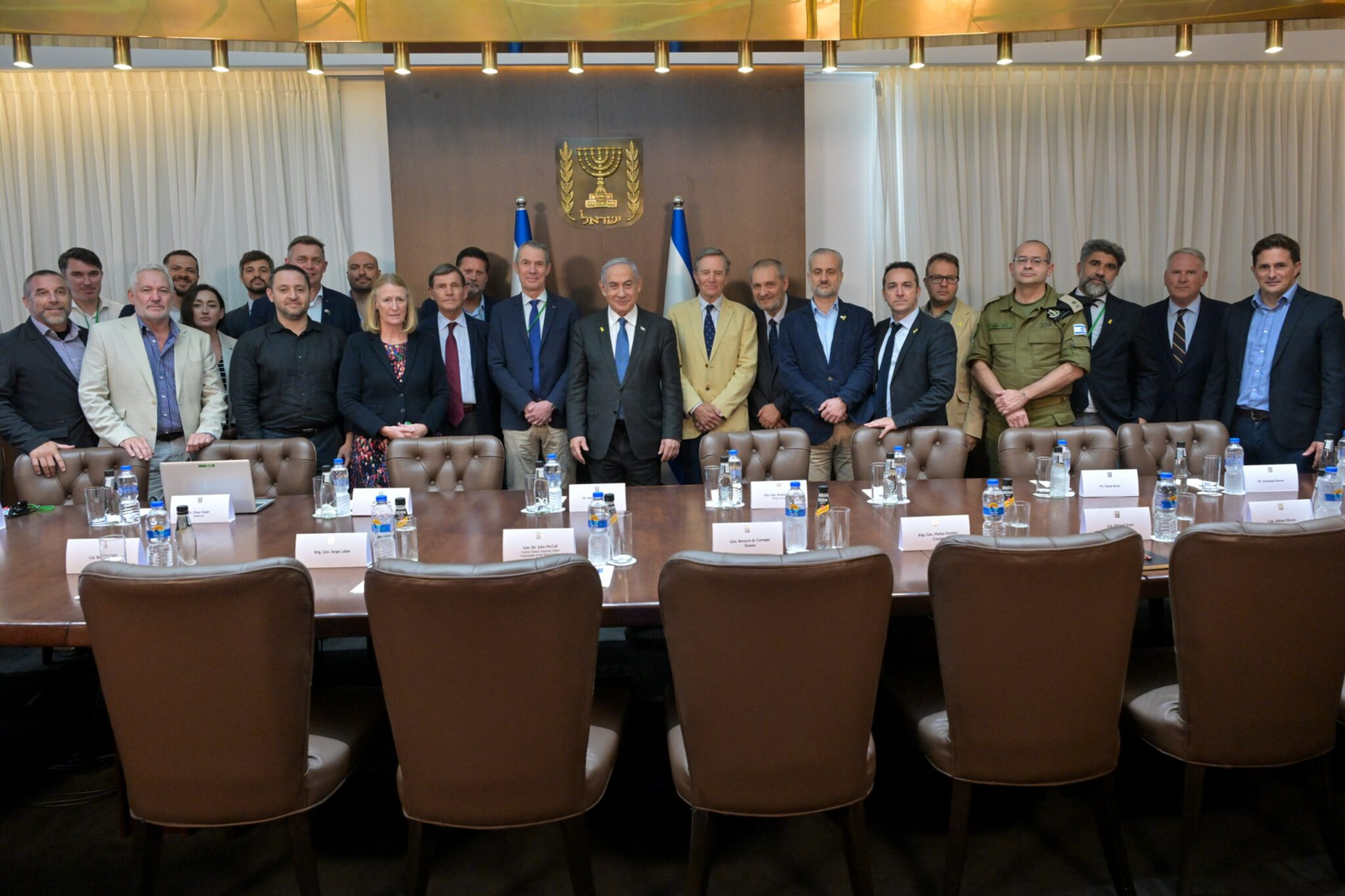
According to reports from the Israeli newspaper Maariv, Shalit subsequently traveled to Washington, D.C., where he reportedly apologized to his U.S. counterparts and acknowledged the severity of the breach. His resignation underscored the seriousness with which the Israeli government viewed the U.S. reaction.
Washington’s Intense Anger
The transfer of the technology was seen by U.S. defense officials as a dangerous compromise, potentially enhancing China’s military capabilities and threatening U.S. technological superiority.
The incident is part of a long-standing tension regarding Israeli arms sales to China. This event followed previous, high-profile conflicts, including:
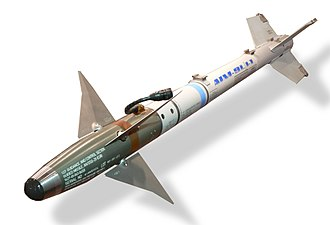
- The Python Missile Incident: Over a decade before this event, the U.S. successfully demanded that Israel cancel a contract to sell Python III missiles to China because they contained technology originally developed for the U.S. Sidewinder missile.
- 1990s CIA Warning: In the early 1990s, then-CIA Director James Woolsey specifically informed the U.S. Senate that Israel had been implicated in selling U.S. defense secrets to China for roughly a decade.
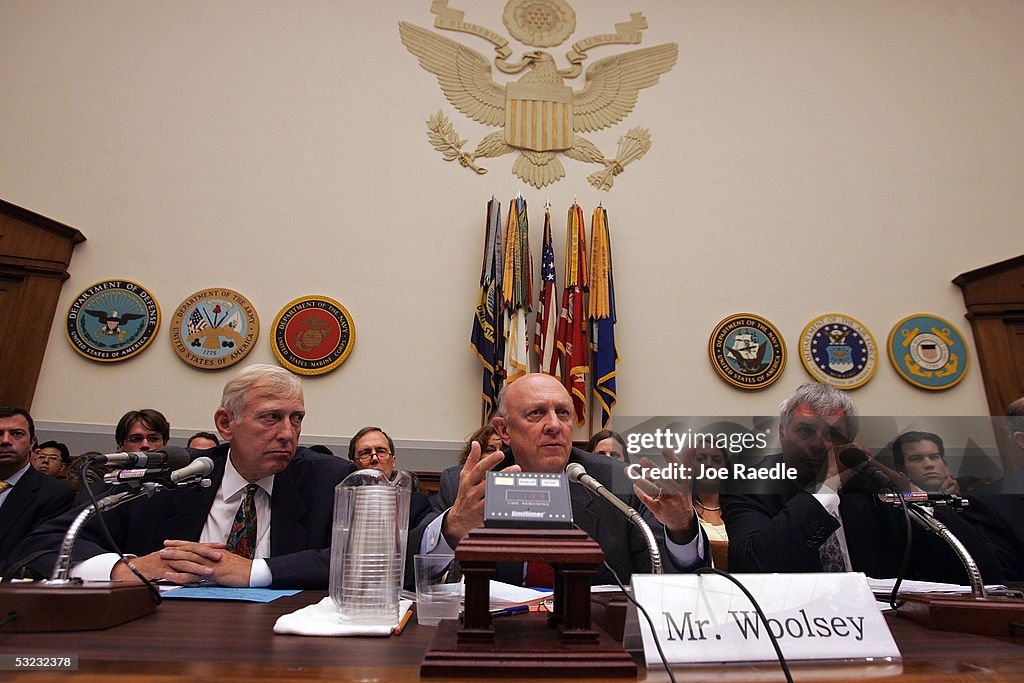
WASHINGTON – JULY 13: Chairman of the U.S. China Economic and Security Review Commission Richard D’Amato (L-R), Vice President of Allen Booz Hamilton and former Central Intelligence Agency Director James Woolsey and former Director of Natural Resources Studies, CATO Institute Jerry Taylor testfiy during the House Armed Services Committee hearing on national security implications of the possible merger of the China National Offshore Oil Corporation with Unocal Corporation July 13, 2005 on Capitol Hill in Washington, DC. The board of China’s state-controlled oil group CNOOC Ltd met to consider raising its 18.5 billion USD bid for US oil major Unocal Corp. (Photo by Joe Raedle/Getty Images)
This pattern of unauthorized transfers led to intensified concerns that not only would the cryo-cooler technology enhance Chinese military power, but that Beijing could potentially re-transfer the components to other adversaries, such as Iran, which was (and remains) a major concern for both the U.S. and Israel.