


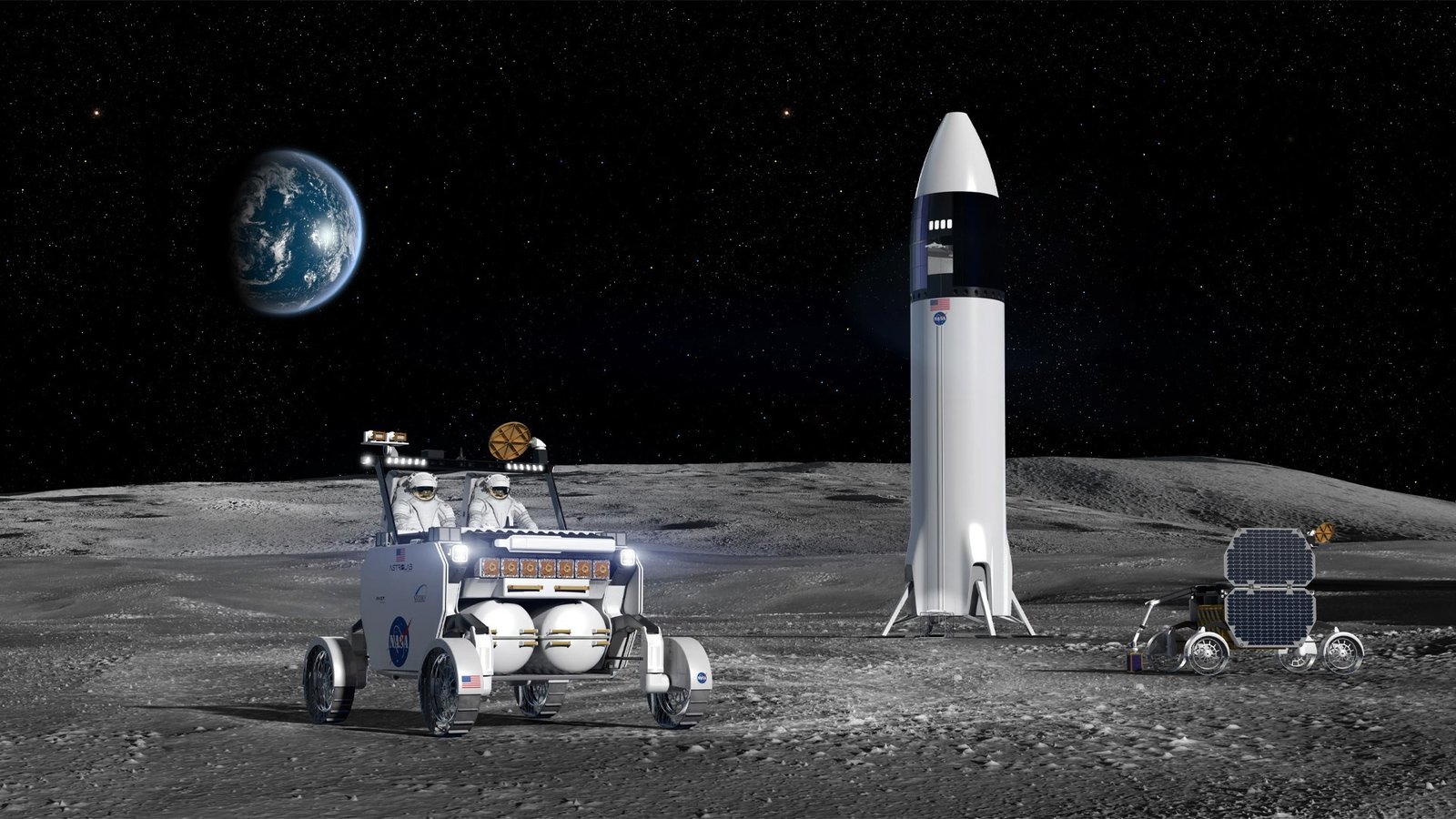
NASA just admitted the Artemis III mission is a total work of fiction.
After decades of “planning” and burning through billions of taxpayer cash, the geniuses in charge finally realized their 2026 moonwalk was physically impossible.
It’s the ultimate bureaucratic faceplant.
We’ve gone from landing on the lunar surface with tin foil and slide rules in 1969 to not being able to find our way back with supercomputers and Elon’s rockets.

The Eagle’s Nest and the Adobe Giant: Inside Iran’s Fortress Landscape
In the rugged expanse of the Iranian plateau, history isn’t just written…

China now leads by a generation in hypersonic & anti-ship ballistic missiles
These 4 Chinese Dongfeng missiles from the 2025 V-Day parade: 2. DF-26D:…

Is the Phillies’ Corporate Greed Eroding Citizens Bank Park’s Soul?
The Philadelphia Phillies are winning on the field, but they might be…

THE INTERNET JUST FOUND THE LUTNICK PHOTO THE DOJ “ACCIDENTALLY” DELETED
The internet remains undefeated, and frankly, the Department of Justice should’ve known…

China’s PLA Navy just flexed hard: 10 Type 055 “super destroyers” now in the water, each packing 112 vertical launch cells loaded with hypersonic missiles that can scream 2,000 km.
That's not a fleet update. That's a statement. The post from PLA…

Shillan & Duffy: UFC London preview
Keith and Ben preview UFC London with detailed predictions for all 14…
But wait—there’s a plot twist that sounds like it was ripped straight from a Silicon Valley fever dream.
Jared Isaacman, the billionaire astronaut who basically has Musk on speed dial, supposedly whipped up a “Fix It” plan in just 48 hours to save the administration’s ego.

The new goal? Screw the slow-roll; let’s just yeet three missions into space and land twice before 2028.
Is it a sensible plan, or are we just watching a high-stakes game of “Lunar Chicken” where the prize is not losing to China?
The internet’s armchair scientists are already calling “BS” on the 2028 timeline, with most betting we won’t see a boot on the moon until 2030—if we’re lucky.
“If it doesn’t happen before 2030, it ain’t happening before China,” one skeptic noted, and honestly, they aren’t wrong.
We’re currently living in a timeline where we have more documentation on TikTok trends than we do on the actual surface of Mars.
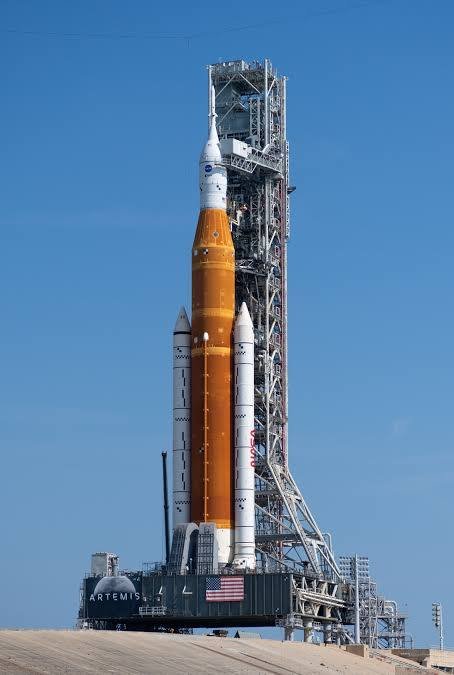
Why did we regress so hard?
In the 60s, everything was “Space Age”—our cars looked like rockets and our scientists actually had, you know, ambition.
Now, we’re told that building a moon base is “too hard” or “too expensive,” while we spend trillions on things that definitely aren’t making us a multi-planetary species.
Critics say a moon colony is just a “cramped tin can” in a desert, but they said the same thing about crossing the Atlantic in the 1500s.
Newsflash: technology actually improves when you stop making excuses and start building things that explode (occasionally).
The Artemis delay isn’t just a scheduling conflict; it’s a vibe shift that proves we’ve lost our edge.
Are we really going to let the “Gateway to the Universe” be closed because of a few bad spreadsheets?
Maybe Isaacman’s “cowboy” approach is exactly the kick in the teeth NASA needs to stop acting like a library and start acting like an aerospace agency again.
Either way, 2028 is the new 1969, and the clock is ticking.