




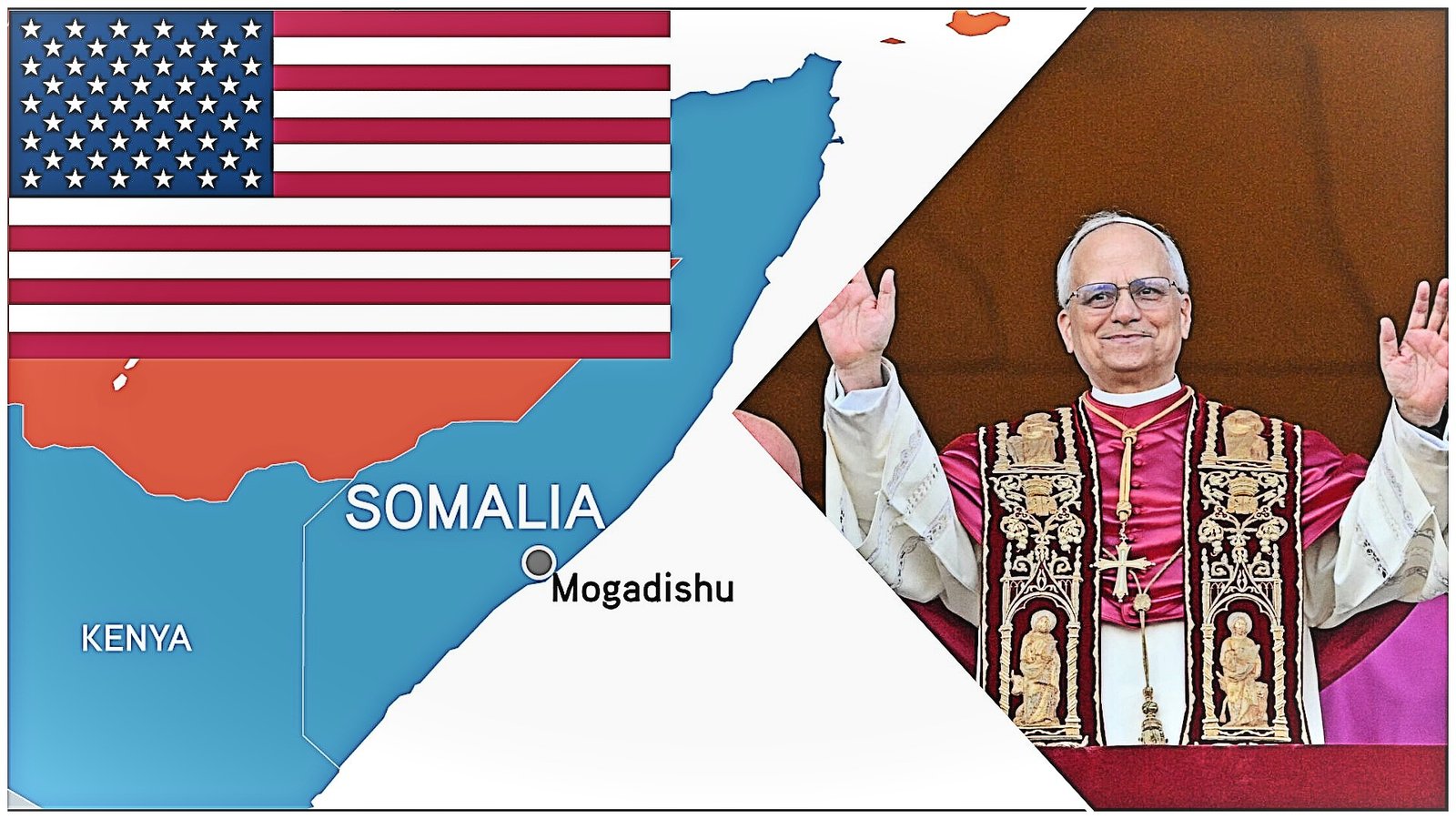
The relationship between Italy and Somalia is a profound historical tapestry woven with threads stretching from ancient trade to modern political partnership. It is a story marked by commerce, colonialism, trusteeship, and enduring cooperation.
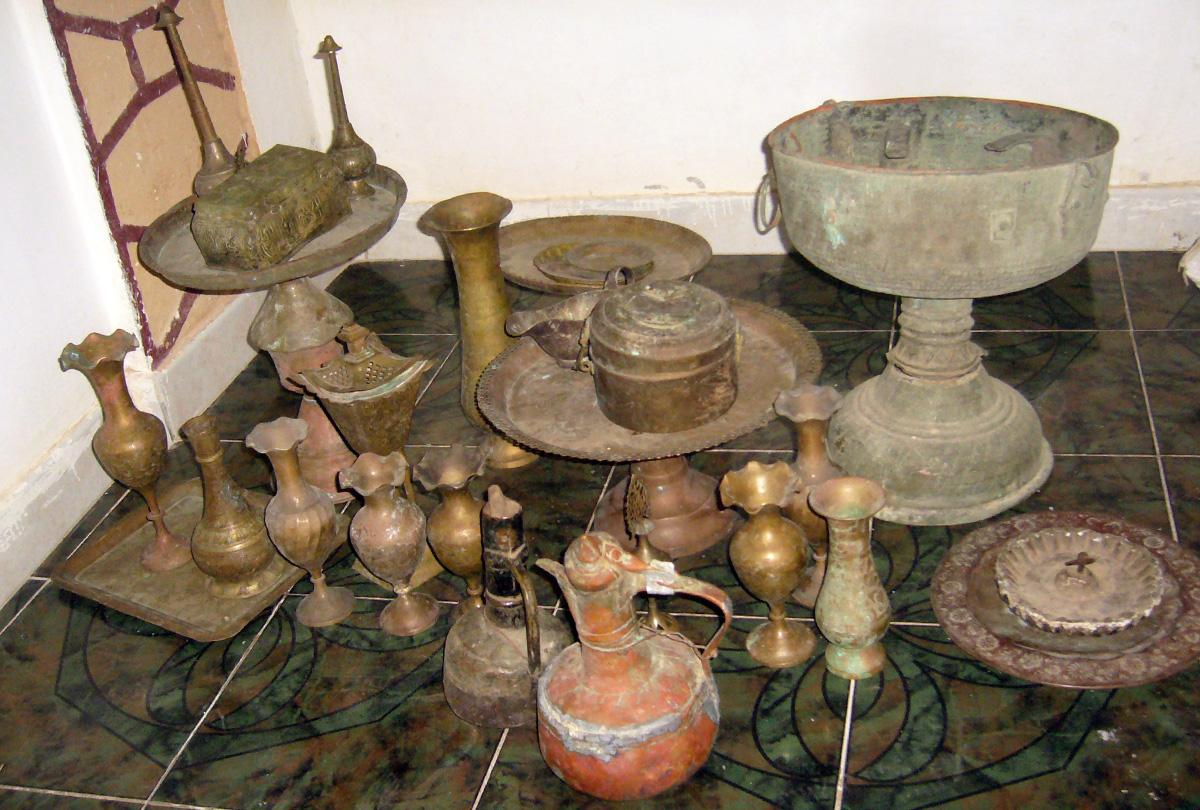
Ancient Connections: Somalia and the Roman Empire
The first clear historical links predate the modern nations by millennia. Somali coastal city-states, known as the “Barbaria” to Greeks and Romans, were crucial nodes in the Indian Ocean trade network.
- When and How: Commercial exchanges between traders on the northern Somali littoral and Roman merchants are documented in texts like the Periplus of the Erythraean Sea (1st century AD). Archaeological sites, such as Damo and Heis in Somalia, have yielded Roman and Parthian artefacts, including pottery and glass, dating from the 1st to the 5th centuries AD.
- The Goods: Romans highly valued the goods from the Horn of Africa, particularly frankincense and myrrh, leading them to refer to the region as the “Spice Promontory” or “Aromatic Lands.” In exchange, Romans traded goods like metalware, wine, and cloth.
Colonial Era: Italian Somaliland (Late 19th Century – 1941)
The modern relationship was forged in the age of European imperialism. Italy, newly unified and seeking a colonial presence, focused its ambitions on the Horn of Africa.
- When and Why: Starting in the late 1880s, Italy established a foothold through treaties and protectorates. In 1889, Italy concluded agreements with the rulers of the Majeerteen Sultanate and the Sultanate of Hobyo in the north, establishing the colony of Italian Somaliland with its capital at Mogadishu. Italy was interested in the coastal ports for strategic access to the Suez Canal and the Gulf of Aden.
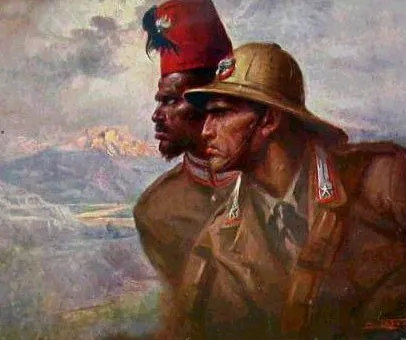
- How: Initially, Italian control was largely limited to coastal areas. Effective, direct rule over the northern sultanates only began after military campaigns in the early 1920s under the Fascist regime, which employed colonial troops like the Dubats and Zaptié.
- Key Developments: The territory was enlarged in 1925 with the transfer of the Trans-Juba region from Britain. In 1936, Italian Somaliland was incorporated into the short-lived Italian East Africa (Africa Orientale Italiana, AOI) after Italy’s conquest of Ethiopia. Thousands of Italian colonists settled in the south, focusing on agricultural development.
The Catholic Church and Geopolitics: A Tool of the Colonial State
While the Holy See (the Vatican) did not use Somalia as a direct “geopolitical weapon,” the presence and actions of the Catholic Church were deeply intertwined with the geopolitical goals of the Italian state, serving as a powerful cultural and institutional tool of colonialism.

The Super Mario Galaxy Movie Shatters 2026 Records
The box office has a new king, and he wears a red…

China’s PLA Navy just flexed hard: 10 Type 055 “super destroyers” now in the water, each packing 112 vertical launch cells loaded with hypersonic missiles that can scream 2,000 km.
That's not a fleet update. That's a statement. The post from PLA…

Red Alert in Clearwater: The Phillies’ Injury List is Growing Faster Than the Grass
Clearwater is usually for tans and home runs, but right now, it…
The Iron Bypass: China’s Strategic Land-Bridge to Iran Defies Sea Blockades
In the high-stakes game of global energy security, the "Malacca Dilemma"—China’s long-standing…

Urgent Alert: NetScaler bug CVE-2026-3055 probed by attackers could leak sensitive data
Attackers are actively probing a critical Citrix NetScaler flaw (CVE-2026-3055) that can…

Nioh 3 Just Got a Massive 1GB Glow-Up: Free Armor and Finally, Better Co-Op!
Team Ninja is not playing around. While most devs are still "investigating"…
- Symbolic and Settler Support: The establishment of Catholic missions, churches, and institutions—most notably the large Mogadishu Cathedral (built in 1928)—served primarily the Italian settlers and colonial administration. This presence was a symbol of Italian and Catholic civilization, reinforcing the legitimacy and permanence of the colonial project.
- Colonial Endorsement: The close collaboration between the colonial government (especially under Fascism) and the Catholic hierarchy meant the Church was granted privileges to operate. Missionary work through schools and hospitals, though ostensibly humanitarian, acted as a soft power mechanism to introduce Italian language and culture, supporting the assimilation goals of the state.
- Limited Religious Impact: Crucially, the Catholic Church was largely unsuccessful in converting the overwhelmingly Muslim Somali population. Its influence remained primarily tied to the expatriate community, limiting its role as a deep-seated popular political instrument.

Post-War Transition and Independence (1949 – 1960)
Following Italy’s defeat in World War II, the territory came under British military administration until 1949.
- The Trusteeship: In 1949, the United Nations granted Italy a Trust Territory over most of present-day Somalia (Amministrazione Fiduciaria Italiana in Somalia – AFIS), with a mandate to guide the territory toward independence within ten years. This period saw development in administration, education, and political institutions.
- Independence: On July 1, 1960, the Trust Territory of Somalia united with the State of Somaliland (former British Somaliland) to form the independent Somali Republic. The day marked the signing of a Treaty of Friendship between the new Somali Republic and the Italian Republic.

Contemporary Political Relationship
Post-independence, the relationship has been characterized by aid, cooperation, and a continued sense of historical connection, even throughout Somalia’s subsequent civil strife.
- Ongoing Cooperation: Despite the Italian community largely departing after 1960, Italy has maintained a commitment to Somalia’s stability and development. This includes significant involvement in:
- Security: Italy is a major contributor to military training missions (like EUTM Somalia) and police force training (MIADIT project by the Carabinieri) to build up Somali security capabilities.
- Diplomacy and Aid: Italy supports Somalia’s institutional and economic framework and is engaged in social and essential services support.
- Current Alignment: High-level meetings, such as the 2023 meeting between Somali President Hassan Sheikh Mohamud and Italian Prime Minister Giorgia Meloni, reaffirm the strategic partnership. Italy views Somalia as a pivotal partner, and its efforts are often framed within Italy’s Mattei Plan for Africa, focusing on energy, defense, and mutual development.
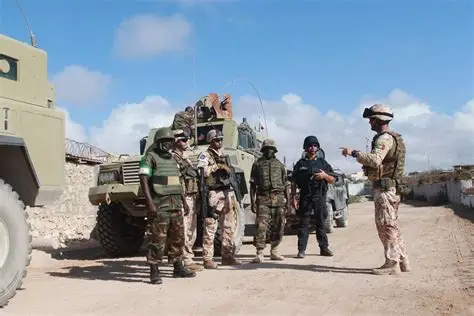
Catholic organizations have been and continue to be heavily involved in helping Somali refugees and immigrants migrate to and resettle in the United States as part of the official U.S. Refugee Admissions Program (USRAP).
This involvement is a function of the Catholic Church’s broader, long-standing commitment to humanitarian assistance for migrants and refugees worldwide, which is separate from the colonial-era activities in Somalia itself.
The Role of Catholic Charities and USCCB/MRS
The primary institution involved is Catholic Charities, working under the umbrella of the United States Conference of Catholic Bishops/Migration and Refugee Services (USCCB/MRS).
- Official Partner: USCCB/MRS is one of the national voluntary agencies (VOLAGs) that holds a cooperative agreement with the U.S. Department of State to resettle refugees who have been legally admitted through the federal USRAP.
- Resettlement Network: Through its network of over 100 affiliated local diocesan agencies (Catholic Charities), the Church provides crucial “core services” to newly arrived refugees, including those from Somalia.
Specific Assistance Provided to Somalis
Somali refugees, driven out of their homeland primarily by the civil war that erupted in the early 1990s, have been consistently among the groups served by Catholic resettlement programs.
- When: Catholic Charities affiliates have resettled a steady stream of Somali refugees since the civil war began, with some local agencies noting their involvement dating back to 1993.
- Services: The assistance provided during the critical initial resettlement period (typically 90 days, with ongoing support for longer) is comprehensive and includes:
- Housing Placement: Securing initial, modest housing.
- Basic Needs: Providing food, clothing, and essential household items.
- Financial Aid: Administering government-funded cash assistance programs.
- Employment Services: Resume building, job search, placement, and skills training to help refugees achieve self-sufficiency quickly.
- Cultural Orientation: Classes on American life, financial literacy, and English language (ESL) training.
- Case Management: Guiding families through enrollment in school, healthcare, and social services.
Key Resettlement Areas
Catholic Charities has played a major role in the resettlement of Somali communities in areas that now host large Somali populations, particularly in the Midwestern states. For instance, Catholic Charities in Minnesota and Louisville are frequently cited as key agencies that have supported thousands of Somali refugees in their transition to new lives in the United States.
In short, Catholic organizations are essential partners in the U.S. government’s effort to integrate refugees, including those fleeing violence and instability in Somalia, acting purely on a humanitarian mandate to “welcome the stranger.”
Thriving in the Diaspora: Somali-American Communities
The large-scale arrival of Somalis began in the early 1990s as refugees fled the collapse of the central government and the ensuing civil war in Somalia. They arrived through the U.S. Refugee Admissions Program (USRAP), often initially being resettled by voluntary agencies (VOLAGs), including both Catholic and Lutheran social services.

1. Minneapolis-St. Paul, Minnesota: The Largest Hub
Minnesota hosts the largest Somali population in the United States, estimated to be around 80,000 to over 100,000 people of Somali descent.
- Early Settlement (Why Minnesota?):
- Jobs: Early arrivals in the 1990s were drawn by decent entry-level jobs, initially in meatpacking plants in smaller towns like Marshall, before migrating to the Twin Cities.
- Resettlement Network: The state had an established, robust network of refugee resettlement agencies (like Catholic Charities and Lutheran Social Services) and a reputation for welcoming newcomers (martisoor in Somali, meaning hospitality).
- Social Connections: As the first groups settled, they established a strong foundation of social networks, making it easier for subsequent arrivals (both direct refugees and those moving from other U.S. states, known as secondary migration) to find housing, support, and familiarity.
- Cultural Hub:
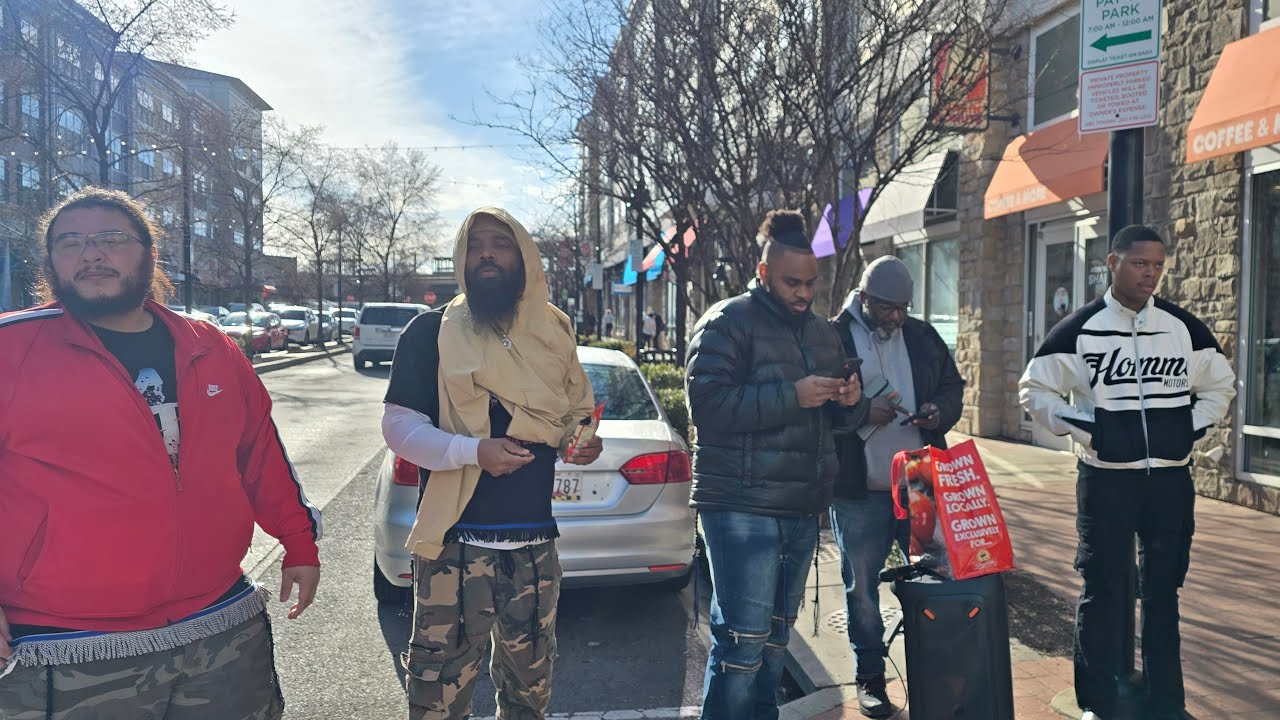
- The Cedar-Riverside neighborhood in Minneapolis is often considered the heart of the community, featuring a high concentration of Somali-owned businesses, markets (halal groceries), mosques, and community centers.
- The community is highly engaged in business, with hundreds of Somali-owned ventures contributing hundreds of millions of dollars in purchasing power to the local economy.
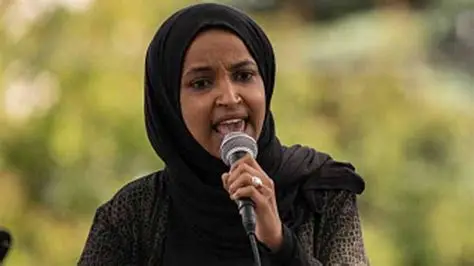
- Political and Social Impact: The community has achieved significant political success, most notably with the election of Ilhan Omar to the U.S. House of Representatives in 2018, the first Somali American elected to Congress.
2. Columbus, Ohio: The Second Largest Hub
Columbus is home to the second-largest Somali community in the U.S., with estimates ranging widely but often cited around 45,000 to over 60,000 residents.
- Growth Factors (Why Columbus?):
- Affordability: Similar to Minneapolis, the area offered a relatively low cost of living, affordable housing, and access to entry-level job opportunities.
- Secondary Migration: A significant portion of the growth in Columbus has been due to secondary migration from other, often more expensive, U.S. cities.
- Community Organization: Organizations like the Somali Community Association of Ohio (SCAO), founded in 1996, have played a vital role in providing services, advocacy, and cultural support to help families integrate and achieve self-sufficiency.
- Economic and Academic Focus:
- The community is known for its strong emphasis on academics and business entrepreneurship. Somali professionals are active in fields like medicine, law, and business, and hundreds of small businesses operate in the area.
- Thousands of Somali students attend local colleges and universities, including The Ohio State University, demonstrating a strong commitment to higher education.
Summary of Integration
| Characteristic | Minneapolis-St. Paul, MN | Columbus, OH |
| Size | Largest in the U.S. (80,000 – 100,000+) | Second Largest (45,000 – 60,000+) |
| Initial Draw | Strong resettlement network, entry-level jobs (meatpacking) | Affordability, job opportunities, secondary migration |
| Key Neighborhood | Cedar-Riverside | Northland Area |
| Prominent Focus | Political representation (Ilhan Omar), strong social support | Academics and business entrepreneurship |
These communities demonstrate a powerful pattern: initial resettlement support, strong internal social networks, and access to economic opportunity allow refugee groups to quickly establish vibrant and self-sustaining cultural and economic hubs.