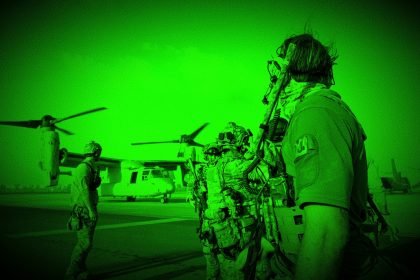





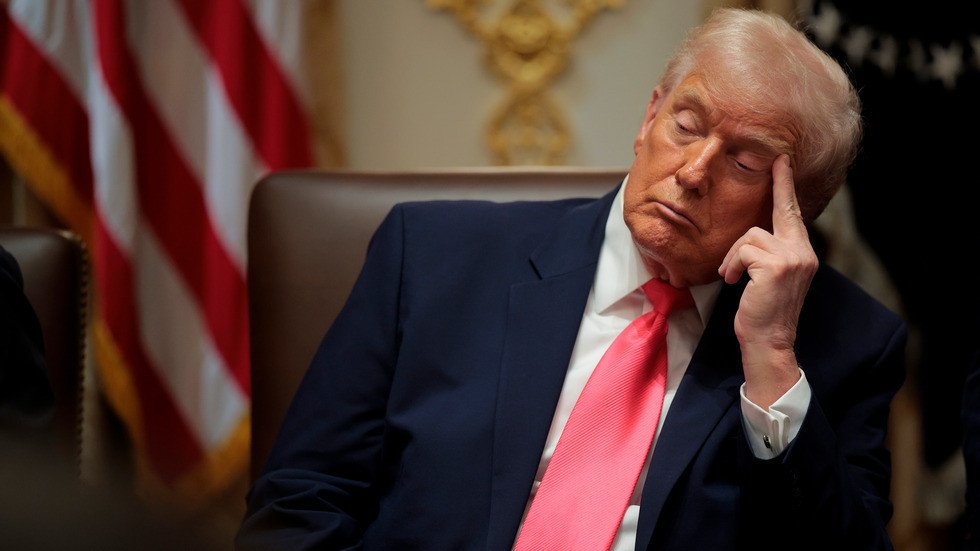
If you’ve spent any time tracking the sad decline of Venezuela, as I have over the last decade and a half, you know that Nicolás Maduro’s government is less a political project and more a deep criminal enterprise. The distinction between the state and the cartels has long been dissolved. That’s why, when President Trump talks about “knocking out drugs at levels that nobody’s ever seen before,” and hints at moving the fight onto land “pretty soon,” it hits a different nerve. This isn’t just about drugs; it’s about confronting a regime that has actively co-opted the state for criminal ends.
The numbers Trump is throwing out—a 92% drop in maritime trafficking—are likely inflated, but they underscore a crucial point: the intense US military pressure in the Caribbean is working to choke off the regime’s illicit cash flow. For too long, the US and the international community have relied on crippling sanctions that primarily harm the Venezuelan people. This counter-narcotics campaign, whatever its political motivations, is an aggressive, kinetic attack on the regime’s black market lifelines.
My first, difficult observation here is this: For better or worse, the anti-drug campaign offers the best legal justification the US has to directly confront the core criminality of the regime. Maduro cries “regime change,” but what else do you call a government whose leaders, including Maduro himself, have been indicted by the US Department of Justice on narcoterrorism charges? This is not a state being threatened by cartels; it’s a Narcostate demanding legitimacy.
Piracy and Theft: The Regime’s Own Language
Maduro, of course, plays the victim, condemning the actions of the US, particularly the seizure of the oil tanker Skipper off the coast this week, as “blatant theft” and “criminal naval piracy.”

Is 4chan “Instanced”? The New Conspiracy Theory Shaking /pol/
If you’ve spent any time lurking on the more chaotic corners of…
OMEGA PHENEX COMMENCED PROJECT SIX – THIS MECH GAME IS ABOUT TO BLOW YOUR MIND!
Holy circuits, guys – have you seen this thing yet? An indie…
Joe Kent Walks Out: Was Israeli Influence the Real Reason Behind Charlie Kirk’s Death?
WASHINGTON — March 17, 2026 — Internal divisions within the Trump administration…
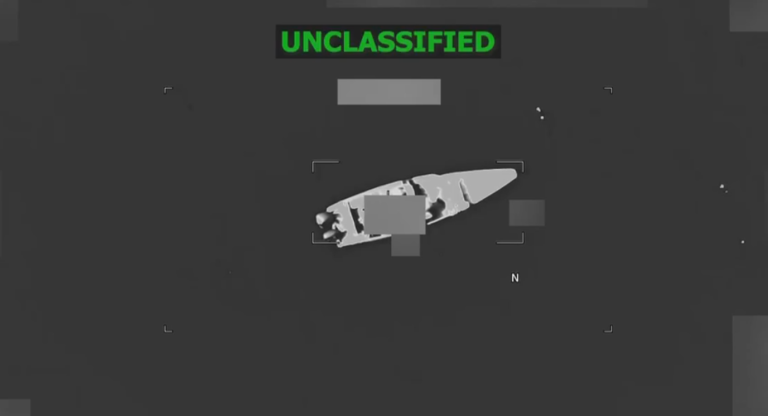
Operation Southern Spear: USAF Intensifies Strikes on Narco-Vessels
The U.S. Air Force and SOUTHCOM have ramped up Operation Southern Spear,…
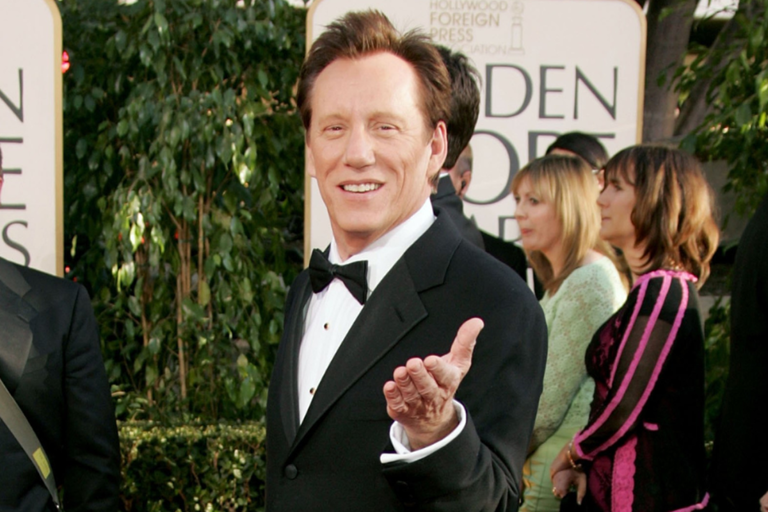
THE BREAKUP: James Woods Just Dumped the GOP—And He’s Not Looking Back
James Woods is officially swiping left on the Republican Party. At 78…
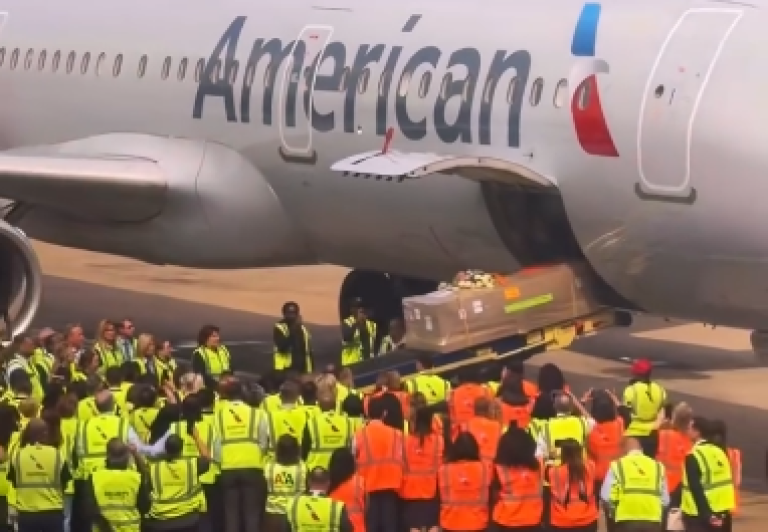
A Silent Return: American Airlines Crew Honors Slain Colleague at DFW
The tarmac at Dallas-Fort Worth International Airport (DFW) fell into a somber…
You have to appreciate the irony. This is the same government that has overseen the systematic looting of one of the world’s richest oil reserves, enriching a small elite while plunging the vast majority of its citizens into humanitarian crisis. This is the government whose internal security forces (FAES) and colectivos commit extrajudicial killings daily. When they cry “theft” over a seized oil cargo tied to circumventing international sanctions, it’s a distraction from the epic tragedy they’ve inflicted on their own people. My second observation is that this is classic projection: the Maduro regime is using the language of law and order to hide its own, far more devastating criminal actions.
Russia’s Complicity and The Strategic Partnership
And let’s not be naive about Russia’s role here. Vladimir Putin “expressing solidarity” and supporting Maduro’s “resolve to defend national interests” is not about shared democratic values—it’s about strategic geopolitical leverage. Every time the US pushes, Putin uses Maduro as a checkmate piece.
The renewed commitment to their strategic partnership treaty is essentially a lifeline for the regime. Russia provides the crucial diplomatic, financial, and military backing that allows Maduro to weather the sanctions and internal dissent.
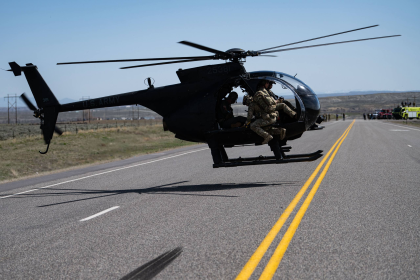
My third, and most worrying, observation is on the ‘Land’ threat: If the US does move to targeted land strikes—perhaps against clandestine drug processing labs or cartel-controlled airfields, areas that overlap directly with the regime’s Cartel de los Soles network—it will be designed to surgically cripple the Maduro power structure, not merely catch smugglers. This is a deliberate tactic to create impossible internal pressures on the military and state actors who still prop up the regime. The US knows that without its criminal revenues, the state rapidly loses its means to pay and control the security apparatus. That’s the real target of the land threat.
The time for simple diplomatic wrist-slaps is over. The coming weeks will show if the US has the resolve to execute a strategy that, while high-risk, is aimed at dismantling the criminal pillars that have kept a brutal and corrupt regime in power for far too long.