






In the rugged expanse of the Iranian plateau, history isn’t just written in books—it’s carved into cliffs and molded from the very earth itself. Iran’s “fortress landscape” is a staggering collection of ancient military and civic architecture that has survived millennia of silk-road trade, nomadic invasions, and the rise and fall of empires.
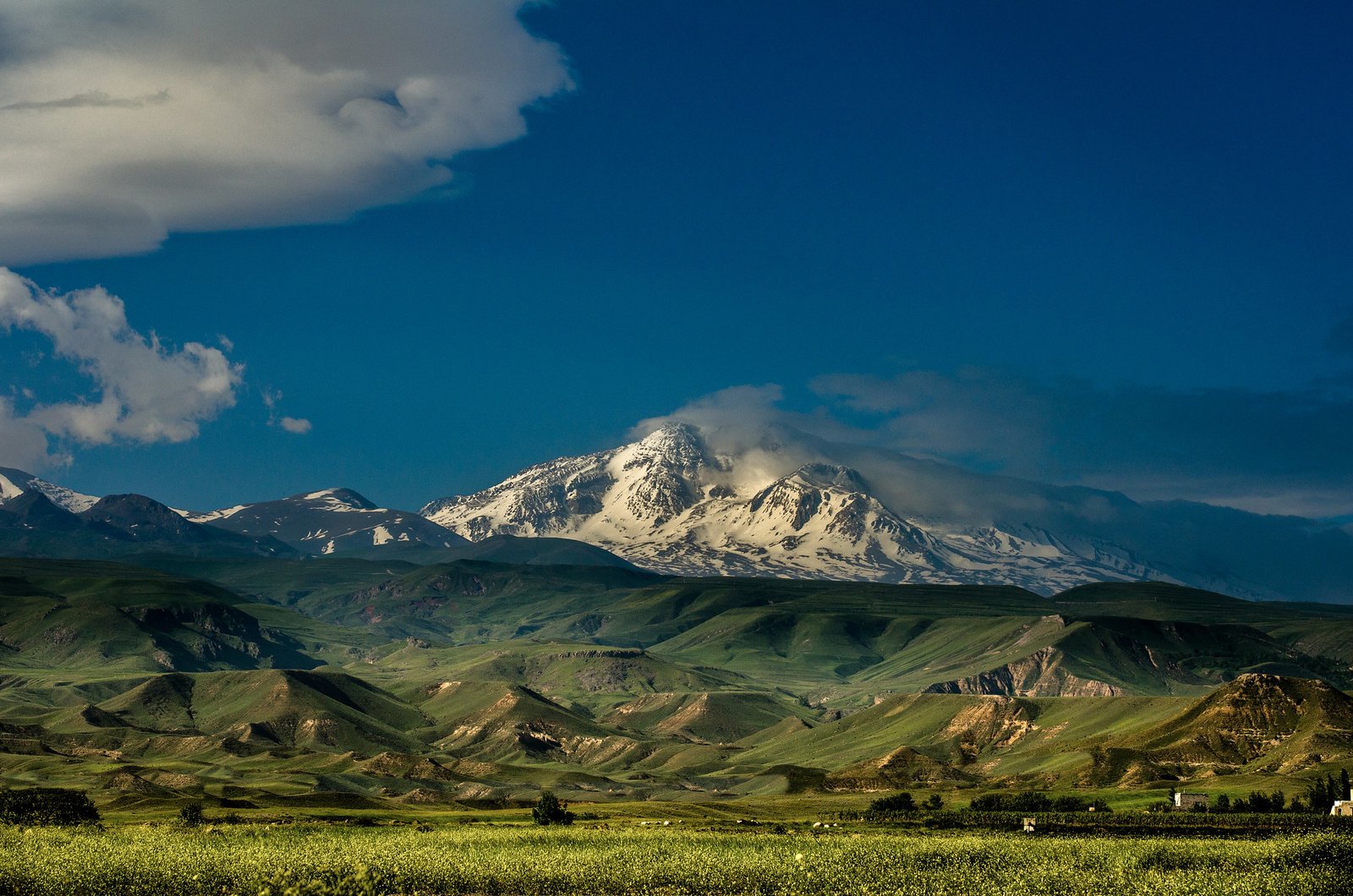
From the mud-brick marvels of the desert to the “Eagle’s Nests” hidden in the Alborz mountains, these structures tell a story of a civilization that mastered the art of high-ground defense.
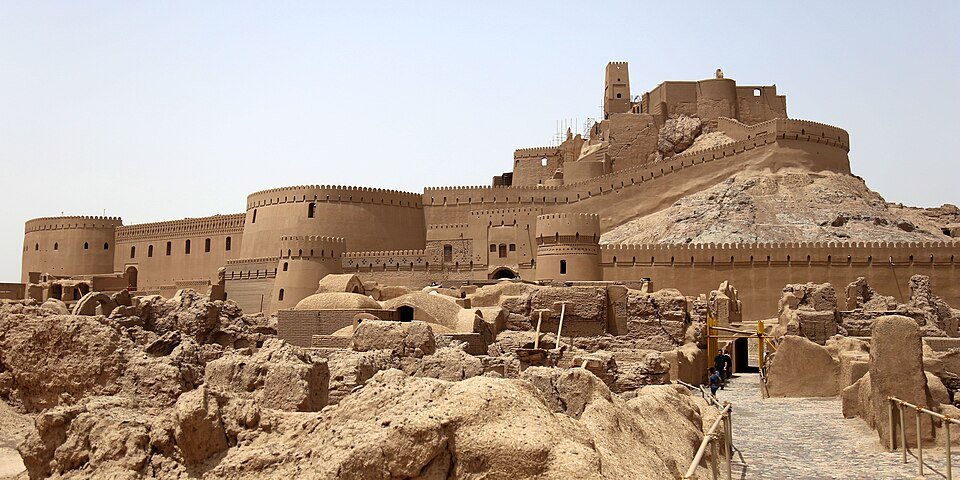
The Adobe Titan: Arg-e Bam
Located in the Kerman province, the Arg-e Bam is the crown jewel of Iranian mud-brick architecture. Often cited as the largest adobe structure in the world, this UNESCO World Heritage site is essentially a city-within-a-fortress.
- The Scale: Spanning nearly 180,000 square meters, it served as a vital hub on the Silk Road.
- The Resilience: After the devastating 2003 earthquake, a massive international restoration effort (ongoing into 2026) has meticulously rebuilt the citadel using traditional techniques, proving that ancient mud-brick methods can be more durable than modern concrete when properly maintained.
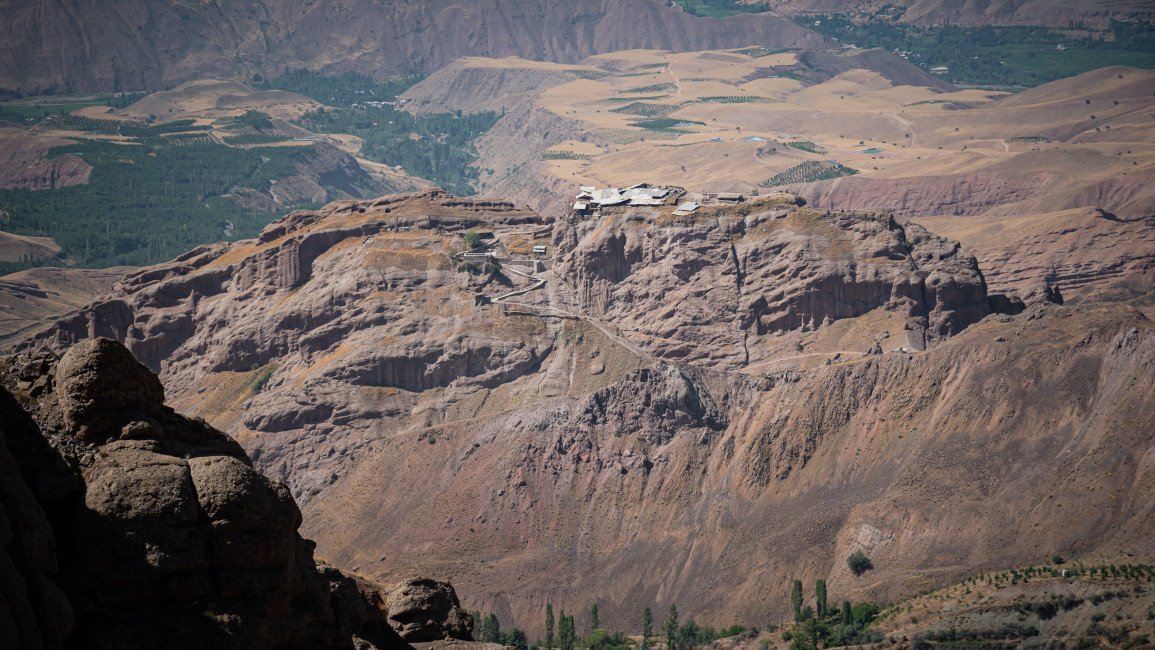
The Valley of the Assassins: Alamut Castle
Perched precariously on a 200-meter-high rock in the Alborz Mountains, Alamut Castle (the “Eagle’s Nest”) was the legendary 11th-century headquarters of the Nizari Ismailis—popularized in modern culture as the inspiration for Assassin’s Creed.

Chrome security flaw enabled spying via Gemini Live assistant
A Google Chrome vulnerability lets malicious extensions hijack Gemini Live to spy…

Middle east crisis prompts UK NCSC warning on potential Iranian cyber activity
UK’s NCSC warns of potential Iranian cyberattacks as Middle East tensions rise,…

Lindsey Graham was a monster, but not exceptional
Normal people would be ashamed to be seen with him, dead or…

Trump teleprompter operator probed for alleged insider betting
Veteran White House staffer Gabriel Perez is believed to have made more…

Canadian Tire 2025 data breach impacts 38 million users
A data breach at Canadian Tire exposed personal data from over 38…

Google GTIG disrupted China-linked APT UNC2814 halting attacks on 53 orgs in 42 countries
Google and partners disrupted UNC2814, a suspected China-linked group that hacked 53…
- Tactical Genius: The fortress featured advanced rainwater harvesting systems and hidden storage rooms, allowing it to withstand years-long sieges.
- The Mystery: Beyond its military might, it was a world-class center of learning, housing a library that attracted the greatest scientists and philosophers of the medieval era before its fall to the Mongols.
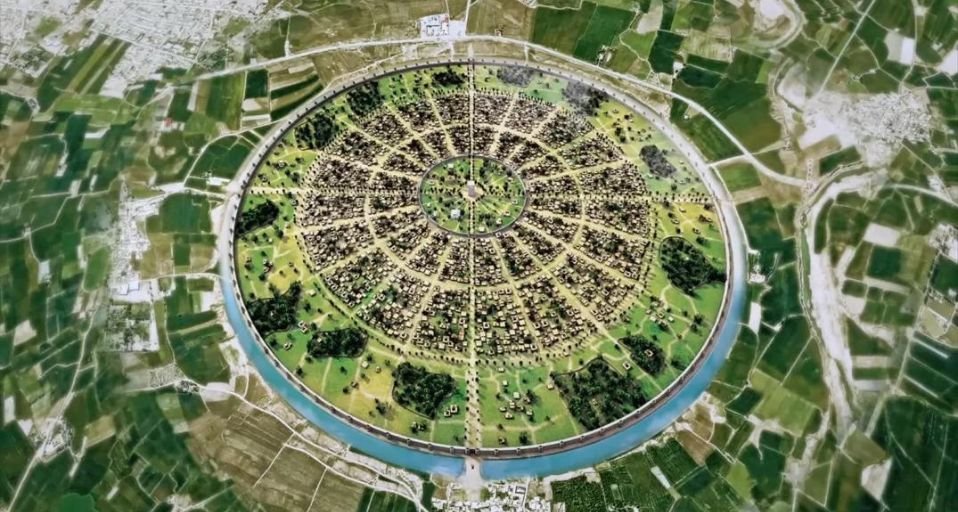
The Maiden’s Defense: Qal’eh Dokhtar
Built in 209 AD by Ardashir I, the founder of the Sassanid Empire, Qal’eh Dokhtar (The Maiden’s Castle) sits on a mountain slope in Fars. It is a masterclass in Sassanid engineering, featuring:
- The Dome: One of the earliest examples of a squinch—a structural transition that allowed a circular dome to sit on a square room.
- The Location: It overlooks the main road to the ancient city of Gur, acting as a gateway and a guard post for the heart of the empire.
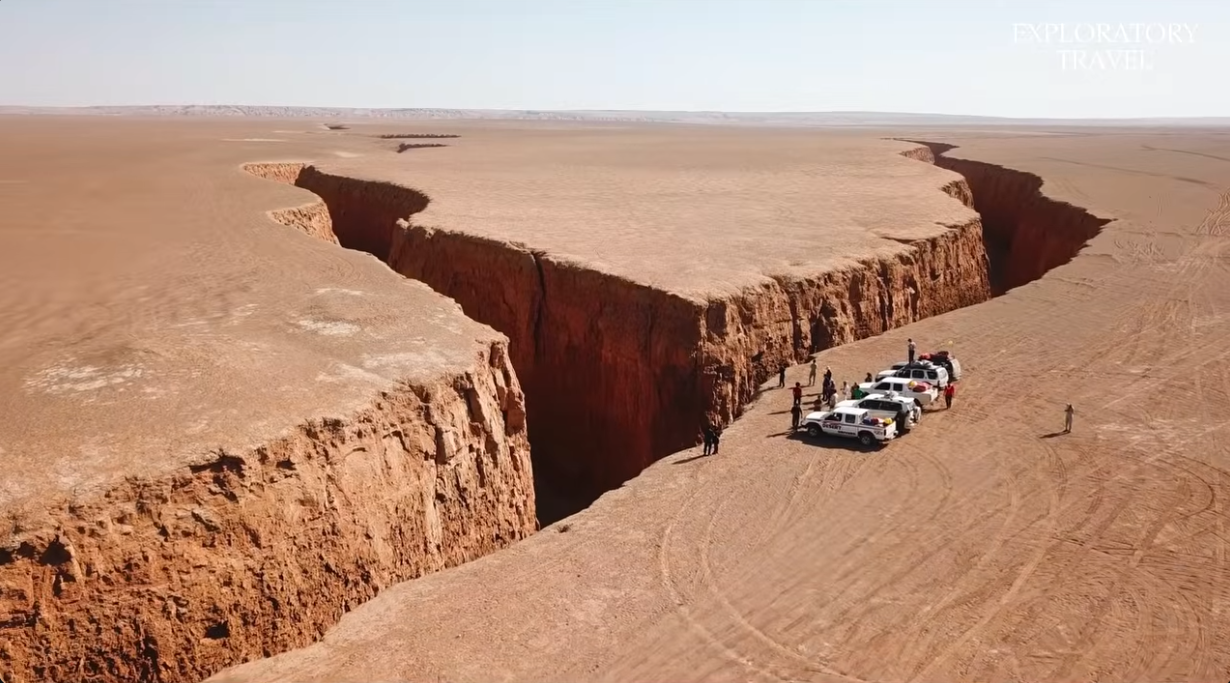
Why This Landscape Matters Today
Iran’s fortresses are more than just ruins; they are a blueprint of vernacular architecture. By using local materials like khesht (sun-dried mud brick) and chineh (mud layers), ancient Persians created structures that were naturally insulated against the desert heat and almost indistinguishable from the surrounding terrain—a proto-form of camouflage.
| Fortress | Primary Material | Era | Notable Feature |
| Arg-e Bam | Adobe / Mud-brick | Achaemenid to Safavid | Largest adobe city in the world |
| Alamut Castle | Stone / Rock-cut | Medieval (Ismaili) | Legendary “Assassin” headquarters |
| Rudkhan Castle | Brick / Stone | Sassanid / Seljuk | Hidden deep in lush Gilan forests |
| Rayen Castle | Mud-brick | Sassanid | Extremely well-preserved desert citadel |