






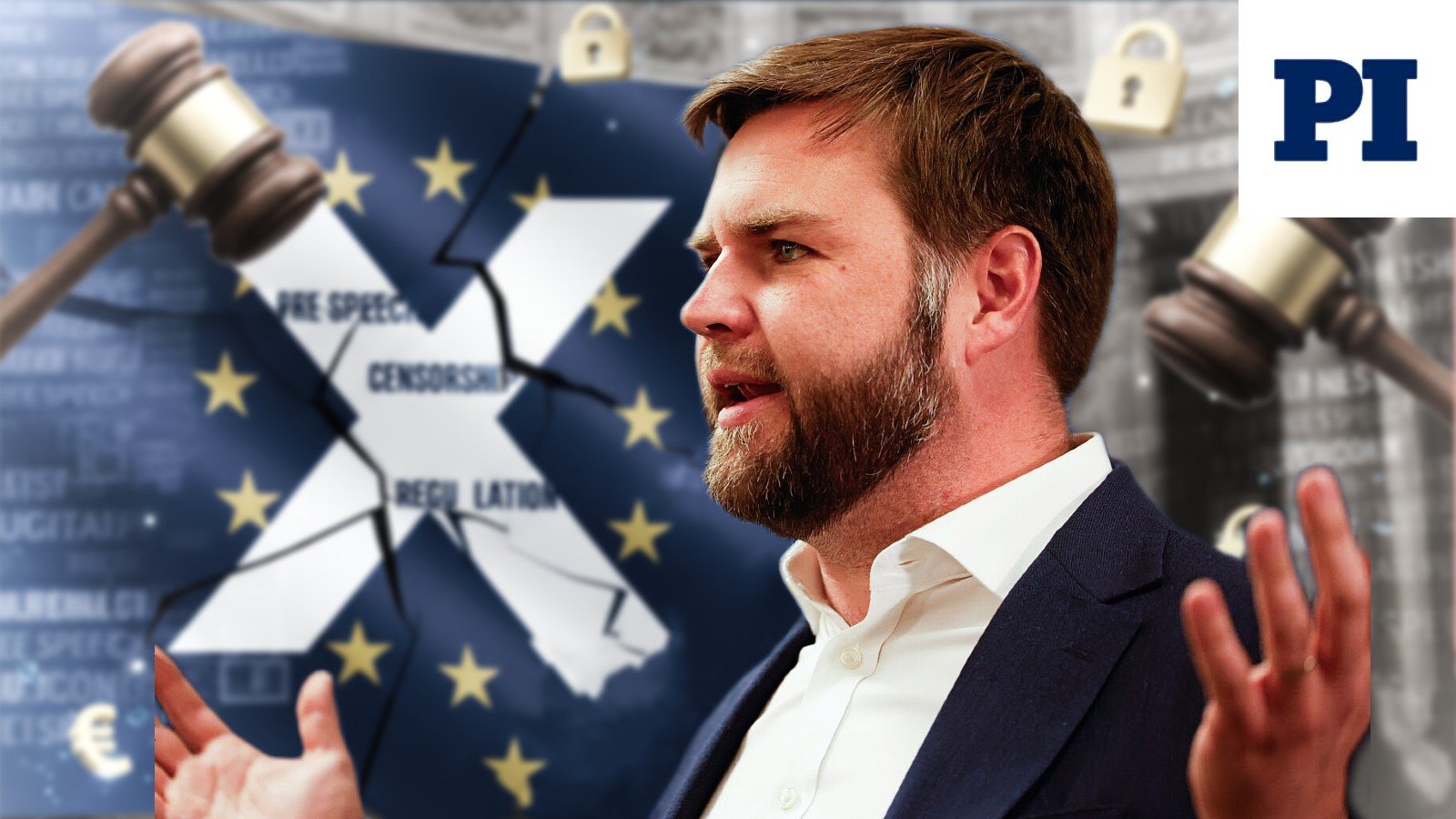
What’s Happening? Reports are swirling that the European Union (EU) Commission is gearing up to hit X (formerly Twitter) with a massive fine—potentially hundreds of millions of dollars!—all because X is refusing to censor certain online speech.
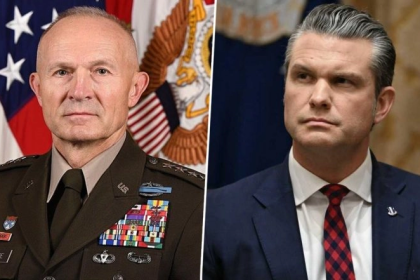
🇺🇸 VP Vance Fights Back: VP JD Vance took to X himself to blast the move, writing:
“Rumors swirling that the EU commission will fine X hundreds of millions of dollars for not engaging in censorship. The EU should be supporting free speech not attacking American companies over garbage.”
This is more than just a political spat; it’s the growing global battle over who controls online speech!
EU’s “Censorship Framework” Explained
The rumored fines come from the EU’s controversial Digital Services Act (DSA).

High-Stakes Escort: British Royal Navy Shadows Russian Corvette in English Channel
A tense maritime standoff unfolded in the English Channel this week as…

Breaking the Sound Barrier: Why “Sky Shaker” is the Arcade Flight Combat King of 2026
While the real-world skies over Iran and the Persian Gulf are filled…

Steel Sentry: Russia Deploys “Autonomous” AI Turrets to the Frontline
The "shadow war" of autonomous weaponry just got a lot more visible.…

THE LAST DANCE: Why is the Navy’s Oldest Warhorse Racing Toward The Caribbean?
The USS Nimitz is basically the "Old Man" of the ocean, and…

Ukraine rocked by new multi-million-dollar corruption scandal
Top management at a state grain corporation and a foreign company colluded…
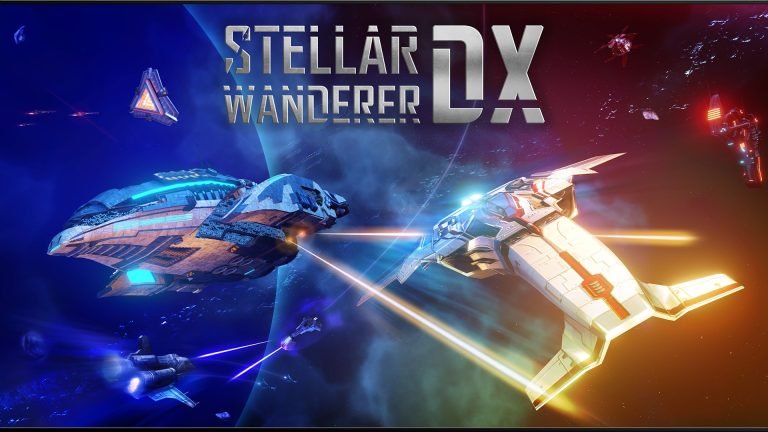
Stellar Wanderer DX Just Landed – And It’s Like Jumping Back to the Coolest Space Games Ever!
Whoa, check this out! Stellar Wanderer DX dropped today (March 12, 2026…
- 🇪🇺 DSA’s Goal: It forces major platforms to delete what regulators define as “illegal” or “harmful” speech.
- The Penalty: Violations can result in fines up to 6% of a company’s global annual revenue!
The Divide: America vs. Europe
VP Vance has been warning about this for months. He sees the DSA as the kind of censorship that’s trying to cross the Atlantic:
Vance in May 2025: “The kind of social media censorship that we’ve seen in Western Europe… already has, made its way to the United States… We’re going to be very protective of American interests… We don’t want our European friends telling social media companies that they have to silence Christians or silence conservatives.”
But Wait… Is Washington Doing the Same Thing?
While Vance points to Europe, a similar agenda is heating up right here in the US!
- The “Kids Online Safety Package”: This week, Congress held a hearing on bills aimed at “protecting children online.”
- The Hidden Cost: These proposals are pushing for things like:
- Digital ID Age Verification
- Platform-Level Content Filters
- Expanded Government Authority to Police Online Spaces
Critics argue that these well-intentioned bills function a lot like the EU’s censorship-heavy DSA!
What’s the Real Danger?
The core ideological difference, as Vance sees it, is a shared willingness among global policymakers to restrict speech for perceived “social benefit”—whether it’s protecting kids or fighting “harmful” content.
The question is: Is freedom itself the best safeguard, or does the government need to step in and decide what we can say?
YOUR TAKE?
Do you agree with VP Vance that the EU is attacking free speech? Or do platforms need more regulation to protect users?