





TL;DR: The combination of a warm winter + huge wind power + steady nuclear created a massive energy SURPLUS, pushing day-ahead electricity prices to zero for several hours in France on December 8th.
This isn’t a glitch—it’s a sign of a new reality in Europe’s energy market.
The Perfect (Free) Storm: The 3 Drivers of Zero Price
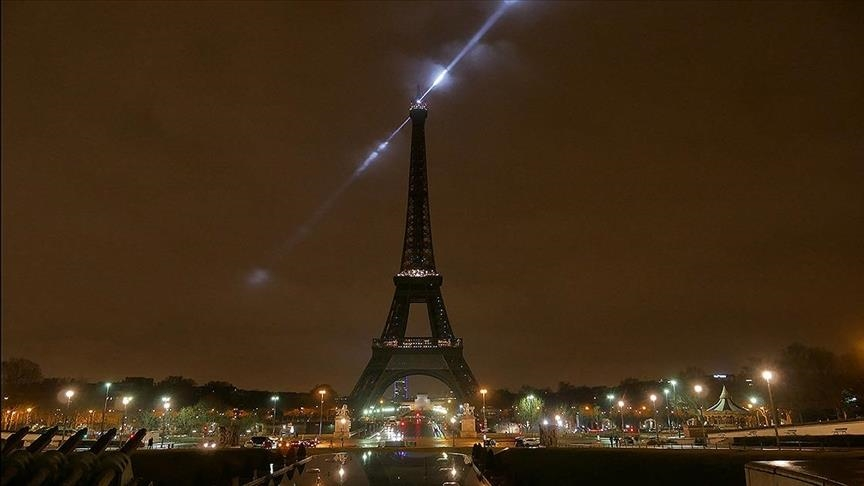
For several hours, the cost of power on France’s day-ahead market plummeted to €0/MWh, effectively meaning free electricity for consumers. The cause was a rare convergence of factors:
- 1. Low Demand from Warm Weather: An unusually warm winter meant far fewer people needed to crank up the heat. Lower demand across the grid.
- 2. High Wind Output: Strong winds significantly boosted the output from French wind farms, pouring massive amounts of renewable energy onto the grid.
- 3. Nuclear Stability: France’s large nuclear fleet was operating at ~85% capacity, providing a huge and steady base load of power that simply exceeded the reduced demand.
The Bigger Picture: Negative Prices are the New Normal
This isn’t an isolated incident. Bloomberg notes that Europe is seeing these “price drop” situations more often.

The Street Fighter Grandfather: How Capcom Built an Empire on Konami’s Blueprints
Listen up, gamers! We’ve all been fed the same "Official History" of…

The Silent Wingman: How Fox3 Managed Solutions is Rewriting the Flight Sim Server Playbook
If you’ve spent any time in the virtual skies of Digital Combat…

MECH OPS 2092: The Next King of Mecha?
If you’ve ever looked at a sunset and thought, "This would look…

CBDC and the US Food Price Crisis: Is Programmable Digital Dollar Coming to Ration Groceries in 2026?
As of March 18, 2026, the U.S. faces persistent food price pressures,…

The Isfahan Incursion: Inside the Most Daring U.S. Special Ops Rescue Since “Eagle Claw”
The mountains of southern Iran just played host to a military operation…

Is the Phillies’ Corporate Greed Eroding Citizens Bank Park’s Soul?
The Philadelphia Phillies are winning on the field, but they might be…
This is the key takeaway for 2025: The growth of renewable energy is rapidly changing the economics of electricity.
- When the sun shines and the wind blows, they generate power at near-zero marginal cost.
- During periods of low demand, this massive, cheap supply creates a power surplus.
- This surplus is increasingly pushing wholesale prices not just to zero, but sometimes into negative territory (where generators actually pay the grid to take their excess power!).
Your Takeaway: What This Means for the Grid
This moment in France highlights both the incredible potential and the core challenge of the energy transition:
- Renewables are Dominating Cost: The era of cheap, clean power is here, showing that green energy is now a deflationary force in electricity pricing.
- The Storage Imperative: The only way to capture and utilize this “free” excess power is through massive investment in energy storage (like grid-scale batteries) and new consumption methods (like producing green hydrogen).
- A European Trend: This market volatility is a preview of the future across Europe and beyond, where grids must become far more flexible and responsive to the intermittent nature of wind and solar.
Let’s Discuss
How should governments and energy companies be investing right now to harness this cheap, surplus power instead of wasting it?
- A) Mandate more residential battery storage?
- B) Accelerate green hydrogen projects?
- C) Build more inter-country grid connections?
Leave your thoughts in the comments!