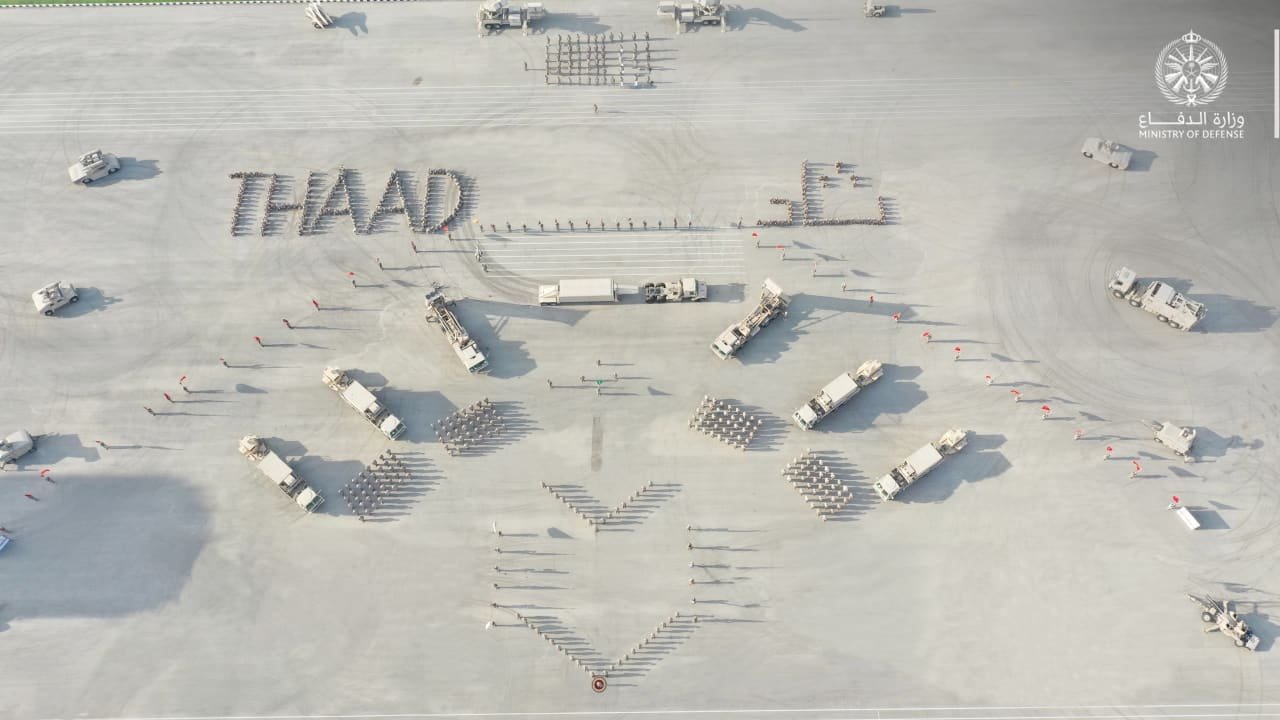







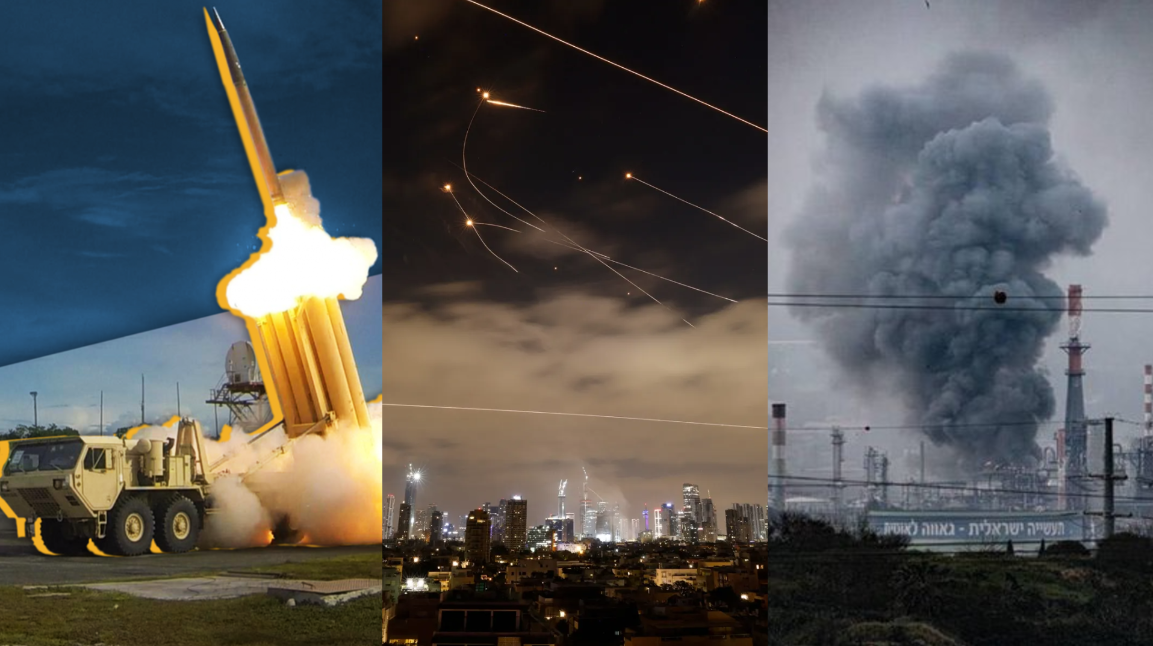
The morning after the strikes on Arad and Dimona, a haunting silence has settled over southern Israel—one punctuated by a single, terrifying question: How did this happen? For years, the American-made THAAD (Terminal High Altitude Area Defense) system was hailed as the crown jewel of global security. It was the “untouchable” layer of a multi-billion dollar shield designed to make ballistic threats a thing of the past. But on Saturday, March 21, 2026, the shield didn’t just crack; it vanished.
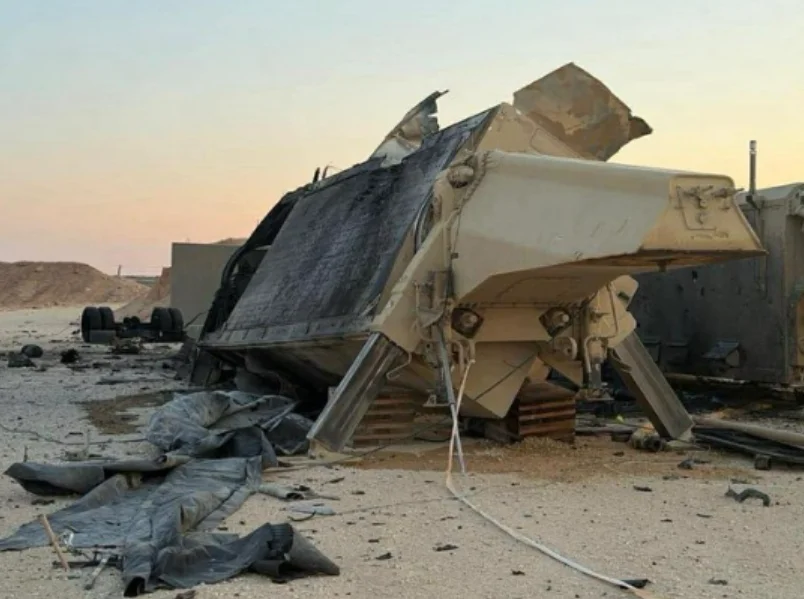
A Fatal Repetition
The devastation in the south—which left nearly 60 civilians wounded in Arad alone, including a 5-year-old girl in serious condition—wasn’t a lightning-strike fluke. It was a mirror image of the Beit Shemesh tragedy from earlier this month.
Military investigators are now confirming the worst-case scenario: the interceptors launched, the tracking systems engaged, but the Haj Qasem ballistic missiles continued their descent unabated. In Dimona, the strike landed perilously close to the nation’s nuclear research heart, proving that even the most “red-lined” zones in the world are currently exposed.
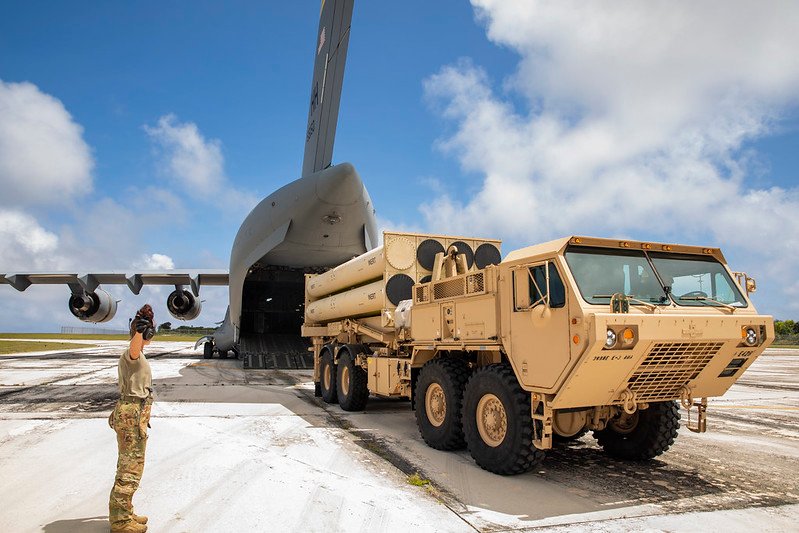
The “Maverick” Missile Problem
Why is THAAD suddenly missing? Analysts point to a lethal evolution in adversary technology:

The aircraft carrier group USS Theodore Roosevelt (CVN-71) sailed closer to Iran
The carrier group, led by the nuclear-powered aircraft carrier USS Theodore Roosevelt…
![Wanted: Suspect for Shooting Incident in the 15th District [VIDEO]](https://thephillypi.com/wp-content/uploads/2026/10/Wanted-Suspect-for-Shooting-Incident-in-the-15th-District-VIDEO-768x512.jpg)
Wanted: Suspect for Shooting Incident in the 15th District [VIDEO]
Wanted: Suspect for Shooting Incident in the 15th District

Musk returned to Trump’s team to develop «the weapons of the future» for the United States
Elon Musk returns to Donald Trump's team, the head of SpaceX will…

China’s First Bamboo Offshore Solar Platform Could Change How We Build for Energy at Sea
For centuries, people along China’s rivers and coasts lashed bamboo together and…

ApolloMD data breach impacts 626,540 people
A May 2025 cyberattack on ApolloMD exposed the personal data of over…

CAUGHT RED-HANDED: Federal Task Force Busts Massive $130M Los Angeles Homelessness Fraud Ring
LOS ANGELES, CA — In what is rapidly becoming one of the…
- The Maneuverability Gap: Unlike traditional ballistic missiles that follow a predictable arc, the latest variants are reportedly equipped with maneuverable re-entry vehicles (MaRVs). They “jink” and shift in their final seconds, effectively “ghosting” the interception algorithms.
- Saturation Tactics: The ninth round of Iranian fire in 24 hours may have simply overwhelmed the logic centers of the battery, forcing the system into a “pinpoint technical malfunction” similar to the one that allowed a Houthi strike to reach Ben Gurion Airport last year.
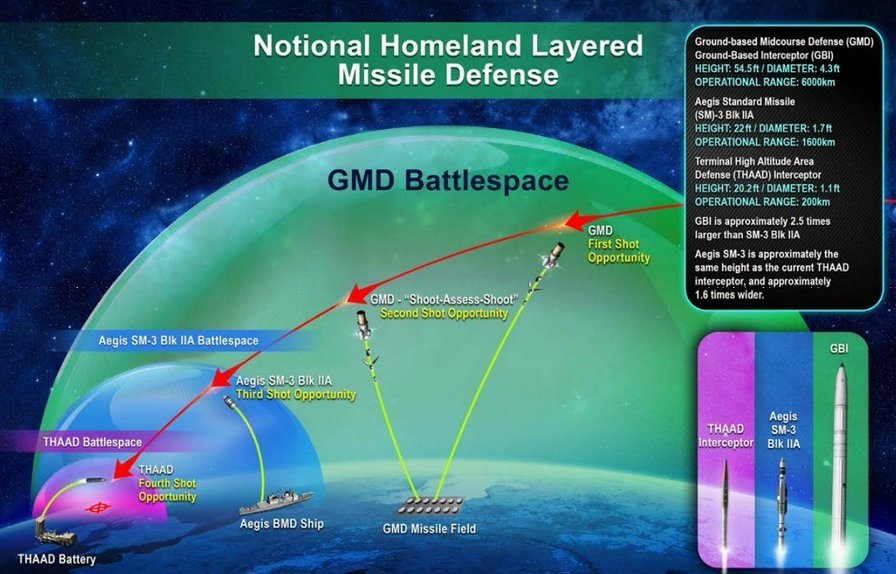
The End of “Hermetic” Defense
The IDF’s admission that “the defense is not hermetic” is no longer enough to calm a panicked public. When citizens in Arad heard the sirens but saw no interceptions, the psychological contract of “The Shield” was broken.
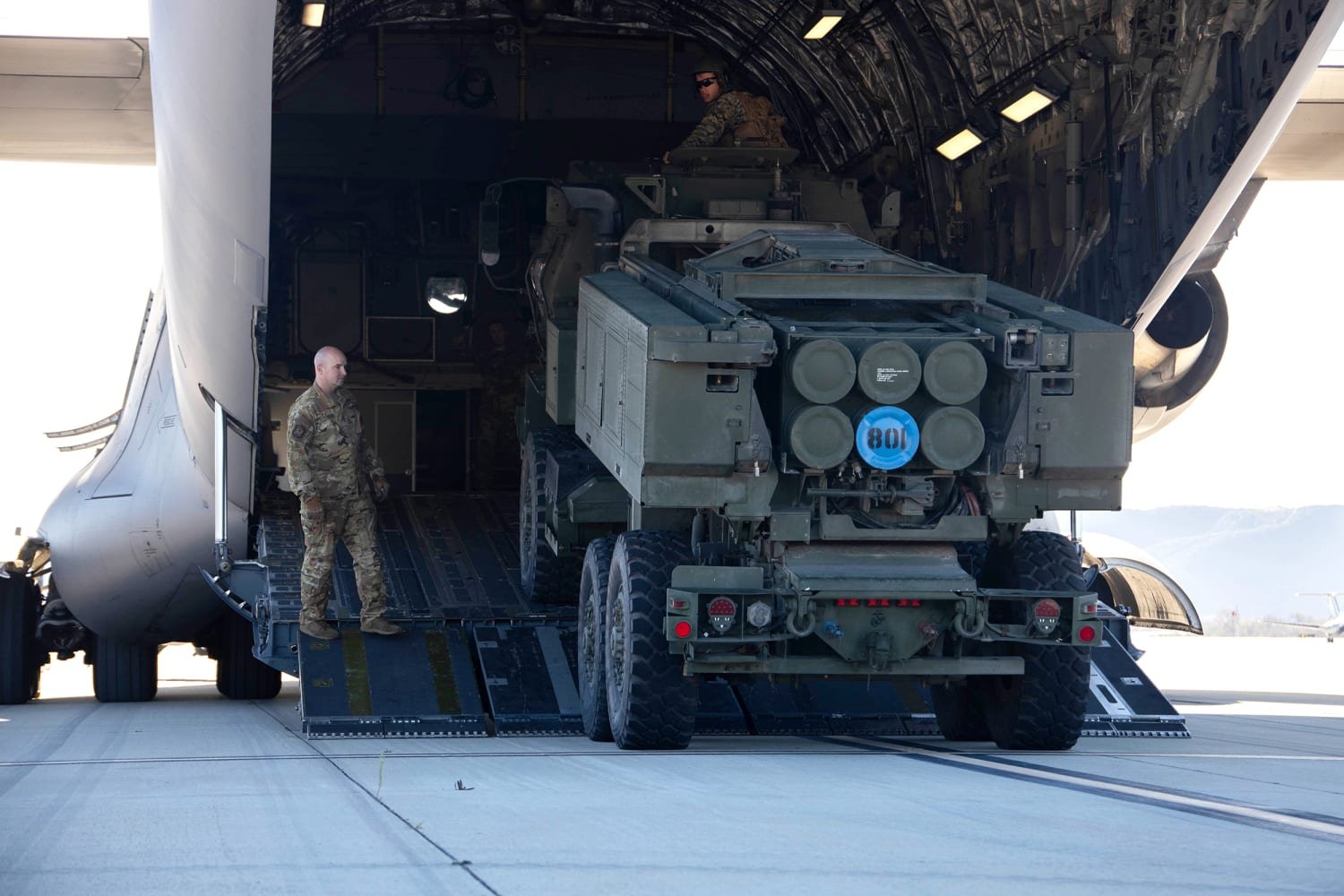
The Phillies might be gambling that fans will get used to corporate logos, but the Israeli defense establishment is facing a much deadlier gamble. If the THAAD—the pride of American engineering—cannot stop a single, well-placed warhead, the entire architecture of Middle Eastern security must be rewritten from scratch.
The conclusion is as stark as the rubble in Arad: The age of the “invincible” interceptor is over. The “Ghost” isn’t just a lifestyle brand on a stadium deck; it’s the threat that our best technology can no longer see.