





WASHINGTON D.C. – The U.S. Army’s flagship small-arms program, the Next Generation Squad Weapon (NGSW), and its resulting service rifle, the SIG Sauer M7 (formerly XM7), are facing scathing and widespread criticism from members of the technical and firearms community following a viral online discussion detailing alleged operational failures and a deeply flawed adoption process.
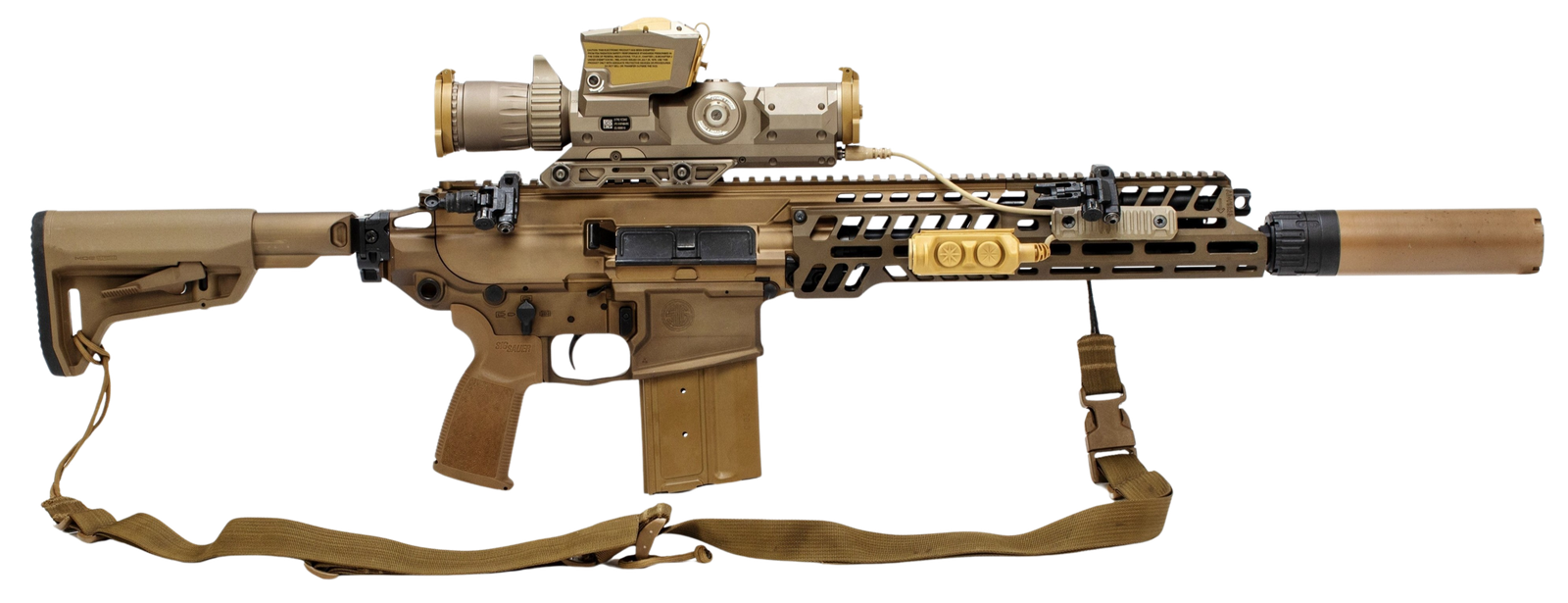
The controversy centers on the M7, a high-pressure, 6.8mm rifle designed to replace the M4 Carbine. An anonymous, highly technical discussion thread, which has been widely shared, labels the weapon as a “nightmare” and “outstandingly bad,” claiming the issues stem from the rifle being forced into service despite clear warning signs.

The Litany of Failures
Critics on the forum, citing internal reports and testing experiences, detailed a series of significant alleged defects with the rifle and its unique high-pressure ammunition:
- Mechanical Reliability: Reports mention the weapon “fall[ing] apart when firing,” including instances where the charging handle has snapped.
- Ammunition Stress: The high-pressure 6.8mm round reportedly causes extreme stress on the components, with users noting that cartridge cases have been “literally ripped apart” by internal pressure.
- Durability Concerns: Issues with optic mounts breaking, suppressor locking rings failing under minimal hand pressure, and “barrel and rifle gouging” after as few as 2,000 rounds were highlighted.
- Operational Suitability: The rifle’s design, which aims to be compact, reportedly results in poor ergonomics, making it less suitable for smaller soldiers. Furthermore, the limited capacity and increased recoil require different training and tactical doctrine, leading to reports of units running out of ammunition significantly earlier than they would with the M4.
- Mandatory but Flawed Suppressor: The M7 is allegedly “unshootable” without a suppressor due to an “ungodly muzzle blast.” However, posts claim the mandated suppressors “glow like a Christmas tree and literally catch fire” after a small number of magazines, further compounding the system’s operational issues.
Allegations of a Rigged Process
Beyond the technical complaints, a strong undercurrent of the conversation suggests the adoption process was flawed, if not corrupt.

Trump threatens Cuba is ‘next’ after Iran and Venezuela
Havana has condemned Washington’s “ferocious blockade” of the island as a sign of…

Bulletstorm VR Review: A “Sloppy” Port That Misses the Mark
The long-awaited arrival of Bulletstorm VR was supposed to be a win…


Why ‘Airforce Delta Strike’ is the Ultimate Arcade Trip
If you want a game that plays it safe, look elsewhere. But…

The Blockade Breaker: Why Trump Blinked as a Russian Oil Tanker Reached Havana
March 30, 2026 — In a move that has stunned geopolitical analysts,…
China now leads by a generation in hypersonic & anti-ship ballistic missiles
These 4 Chinese Dongfeng missiles from the 2025 V-Day parade: 2. DF-26D:…
Users claim the competitive trial was “rigged from the start,” arguing that other promising, more conventional designs were dismissed to ensure the selection of the SIG Sauer system. Some posts allege that the Army was “deadset on adopting a new gun no matter how bad it was” to avoid being seen as having failed another weapons modernization program.

High-ranking officials, including former Chief of Staff of the Army Gen. Mark Milley, were cited as key figures who pushed the controversial battle rifle requirement from the beginning. One post suggested the military leadership was unduly influenced by the contractor, speculating about “lucrative post-retirement career opportunities” as the true motivation for the decision.

Division and Expert Critique
The discussion also touched on the broader consensus among private-sector experts, noting that even respected firearms historians like Ian McCollum of Forgotten Weapons were known to be critical and skeptical of the M7 and its new cartridge.
While a small number of users defended the Army’s choice, arguing that high-ranking officers possess the necessary decades of experience and academic training to make the best decision for national security, these comments were swiftly dismissed as exhibiting a “slavish” adherence to institutional authority.
The overall sentiment concludes that the Army is now bound by a multi-year contract to procure a weapon system that, in the eyes of many technical critics, is functionally compromised and operationally unsuitable for the modern infantryman.