






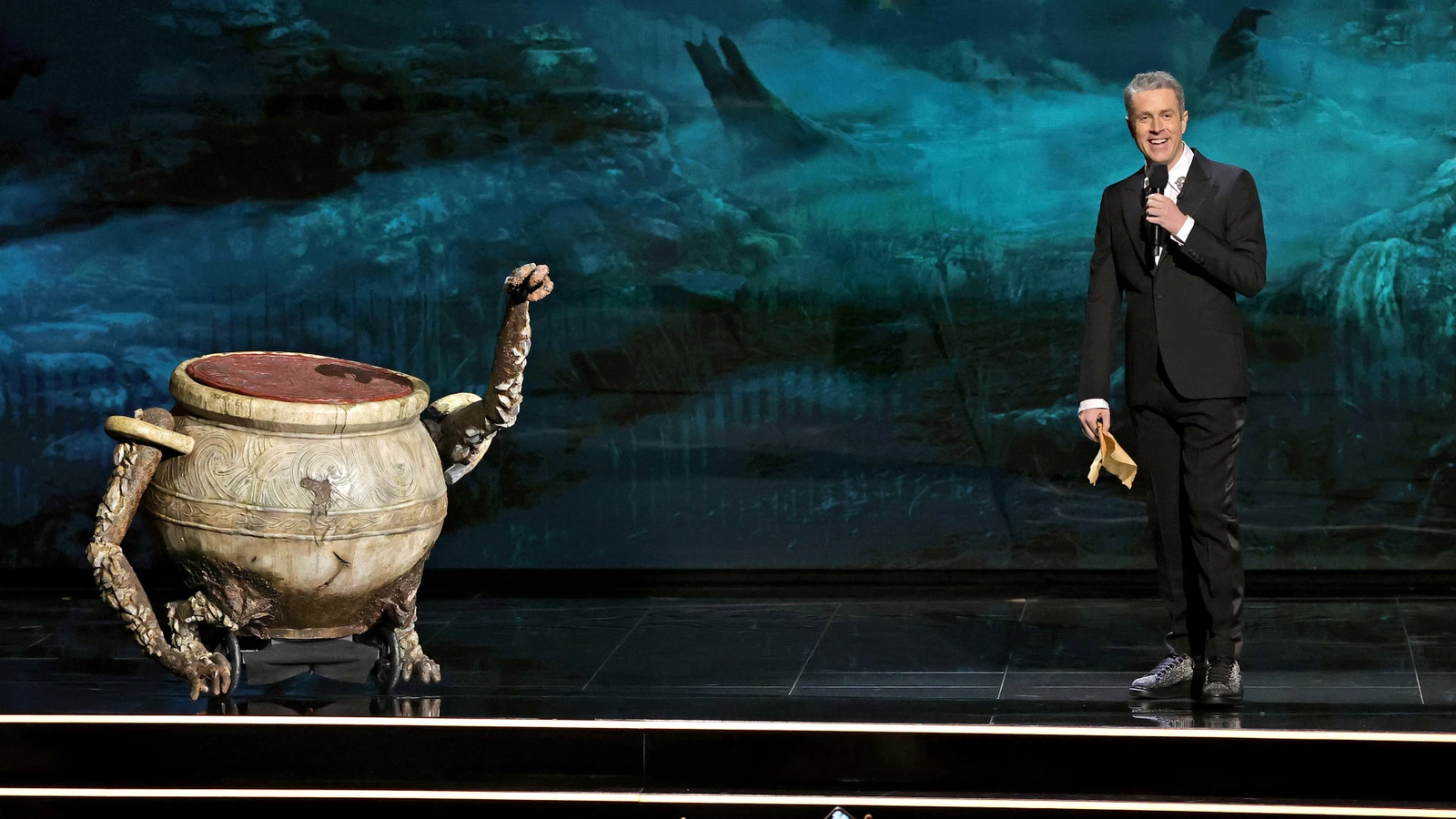
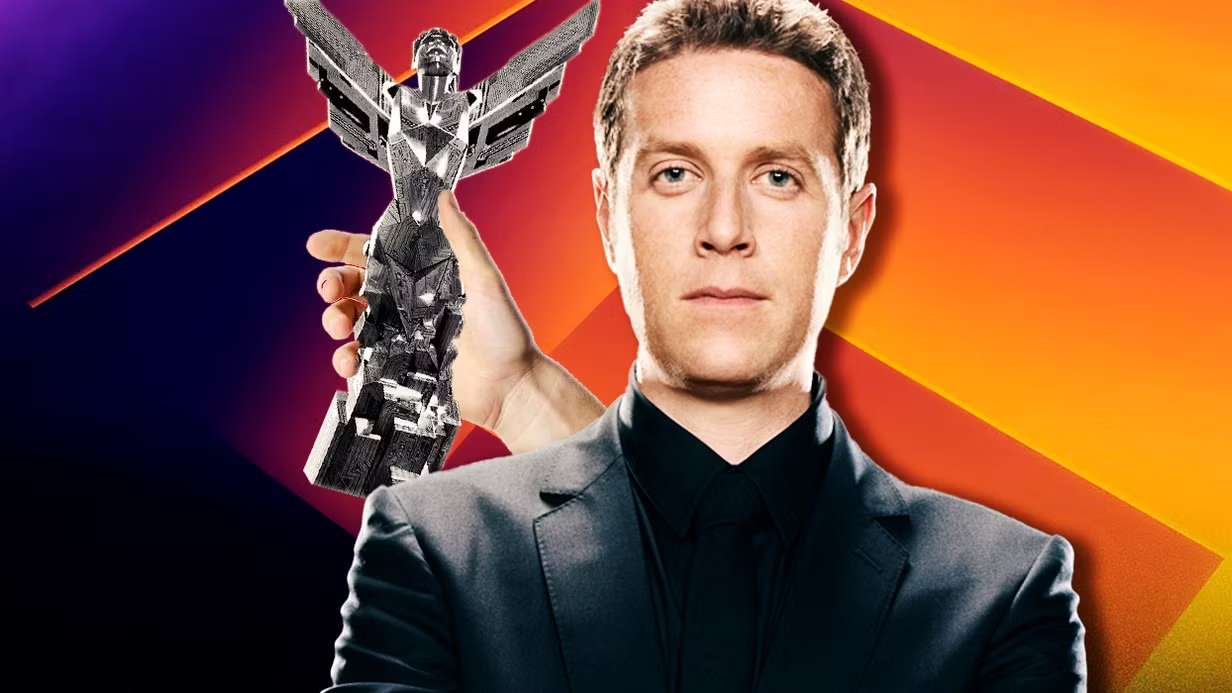
The story of The Game Awards is fundamentally the story of Geoff Keighley. The Canadian games journalist, host, and producer has been involved in televised video game awards since the mid-90s, when he was a teenager helping write material for 1994’s “Cybermania ’94.”
However, his most crucial experience came with the Spike Video Game Awards (VGA), which he produced and hosted from 2003 to 2013 on Spike TV.
The Break-Up and the Birth of an Independent Show
By the early 2010s, Keighley felt the Spike VGAs were prioritizing celebrity comedy and commercials over genuinely celebrating the art of video games. The final straw came with the 2013 show, which was rebranded as VGX and was widely regarded as a disappointment due to a change in tone and a smaller, streamed format.
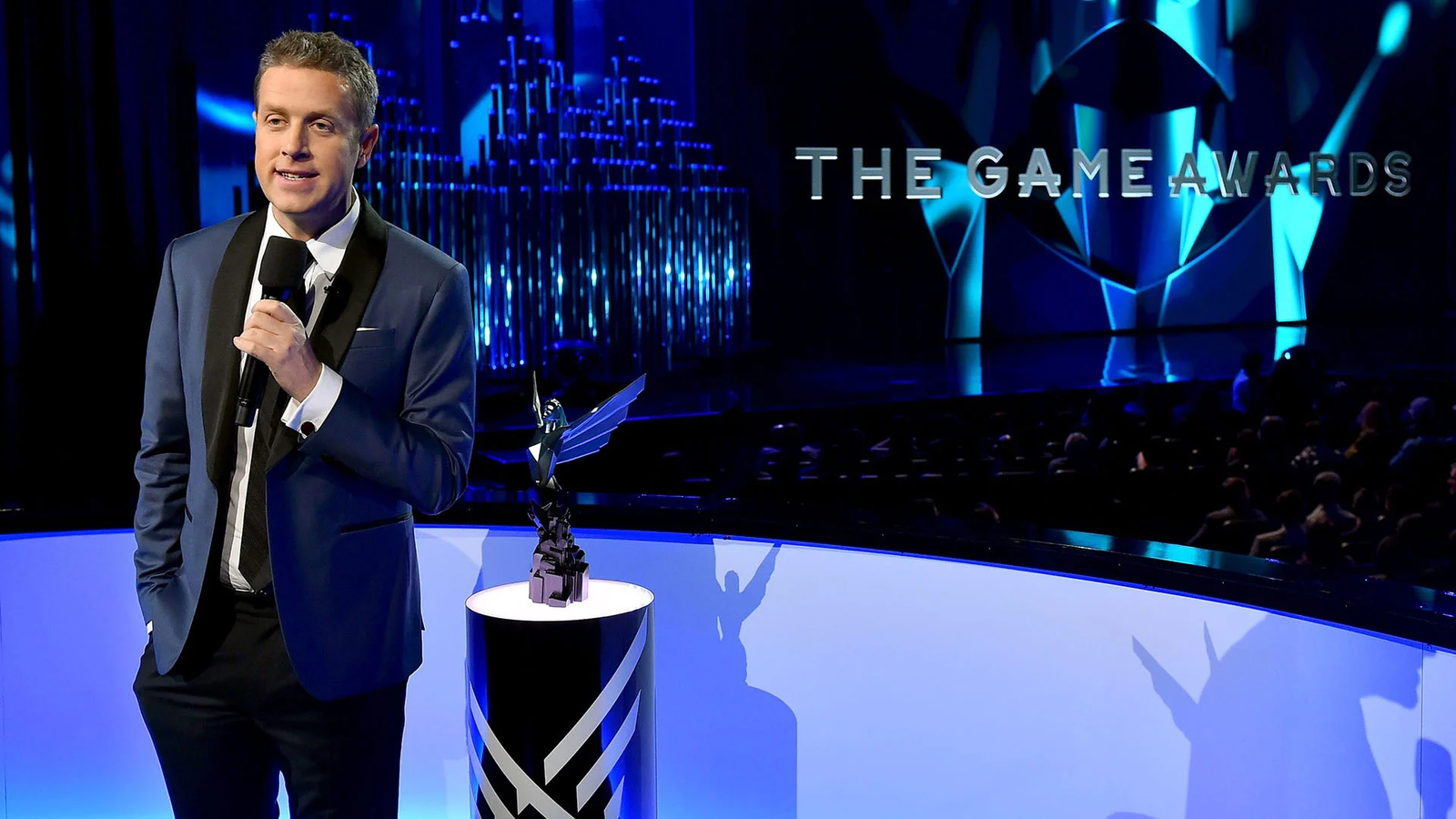
When Spike TV decided to drop the awards show entirely in 2014, Keighley saw his opportunity. Instead of mourning the loss, he took a monumental risk:


Philly Star Alec Bohm Sues Parents: $3 Million Lawsuit Rocks Phillies’ Opening Week
While the Philadelphia Phillies are celebrating a hot start to the 2026…

“MOVING ON” IS REBUILDING (YouTube – Paul Bryson)…
"MOVING ON" IS REBUILDING❗️ (YouTube - Paul Bryson) A photo posted by…
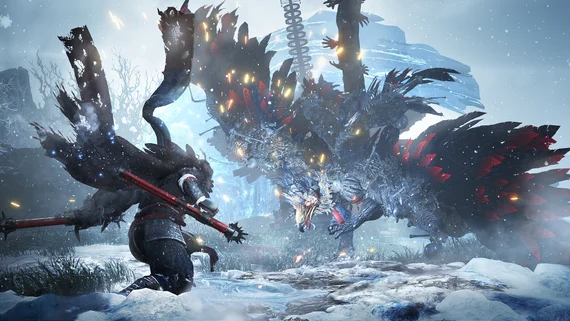
Nioh 3 Just Got a Massive 1GB Glow-Up: Free Armor and Finally, Better Co-Op!
Team Ninja is not playing around. While most devs are still "investigating"…

Double Down: Two U.S. Reaper Drones Knocked Out of the Sky Over Iran
The sky over Iran just got a lot more dangerous. In a…

Stellar Wanderer DX Just Landed – And It’s Like Jumping Back to the Coolest Space Games Ever!
Whoa, check this out! Stellar Wanderer DX dropped today (March 12, 2026…
- The Big Investment: Keighley invested a reported US$1 million of his own personal funds to independently launch a new show.
- A New Vision: He worked with key industry entities—console manufacturers, publishers, and developers—to financial back and craft an awards show that would balance a prestigious awards ceremony with explosive world premiere game reveals, aiming to be a middle ground between the entertainment of the Oscars and the industry focus of the Game Developers Choice Awards.
- A Streaming-First Leap: The first-ever Game Awards ceremony premiered on December 5, 2014, in Las Vegas. Crucially, it was a streaming-first event, broadcast live on the consoles’ networks (PlayStation Network, Xbox Live) and Valve’s Steam service—a radical concept at the time that allowed it to reach a massive, dedicated global audience.
The Game Awards was born out of a desire for creative control and a refusal to compromise the medium’s celebration for a traditional TV network’s demands.
Who Sponsors The Game Awards?
The Game Awards is an independent production run by Geoff Keighley, which is a key part of its appeal and success. However, an event of this magnitude requires enormous financial backing, which comes from the industry itself.
The show is financially supported through deep partnerships and sponsorships with the major players in the video game ecosystem. These relationships are critical for funding the show’s massive production value, celebrity appearances, and world premiere trailers.
The Advisory Board and Major Partners
While specific annual sponsors change, the foundation of the show’s industry support comes from its Advisory Committee and key collaborators. These groups include representatives from:
- Major Hardware Manufacturers: Sony (PlayStation), Microsoft (Xbox), and Nintendo.
- Large Publishers and Tech Companies: Companies like AMD and various major game publishers are often involved in the show’s advisory or sponsorship structure.
- Retail Partnerships: In recent years, companies like Amazon have acted as an exclusive retail sponsor, creating dedicated hubs for deals on nominated games and hardware.
The industry backing is evident in the constant stream of new content, trailers, and announcements that drive engagement, making the show less of a staid awards ceremony and more of a global news event for gaming.
Key Milestones and The Show’s Impact
Since its 2014 debut, The Game Awards has evolved into a cultural phenomenon, achieving astronomical growth in viewership and impact:
- A New Venue: After the first show in Las Vegas, the event moved to the larger Peacock Theater (formerly Microsoft Theater) in Los Angeles, reflecting its explosive growth.
- Record Viewership: Viewership has soared year after year, with recent shows drawing over 100 million global livestreams, cementing its status as the most-watched awards show in the gaming world.
- The Trailer-Palooza: Keighley successfully established the show’s defining characteristic: mixing prestigious awards with dozens of “World Premiere” game reveals. This format ensures that even viewers who disagree with the awards still tune in for the exclusive first looks at the future of gaming.
- Independent Vision Maintained: Keighley has consistently refused offers from major broadcast networks, preferring to keep the show streaming-first to maintain the creative freedom necessary to deliver a show truly for the gaming audience.
The Game Awards successfully filled a void in the industry, transforming what was once a celebrity-heavy TV footnote into a must-see event that is both a celebration of the year’s best games and a high-energy look at the future of the medium.
What was your favorite “World Premiere” announcement from any Game Awards show?