





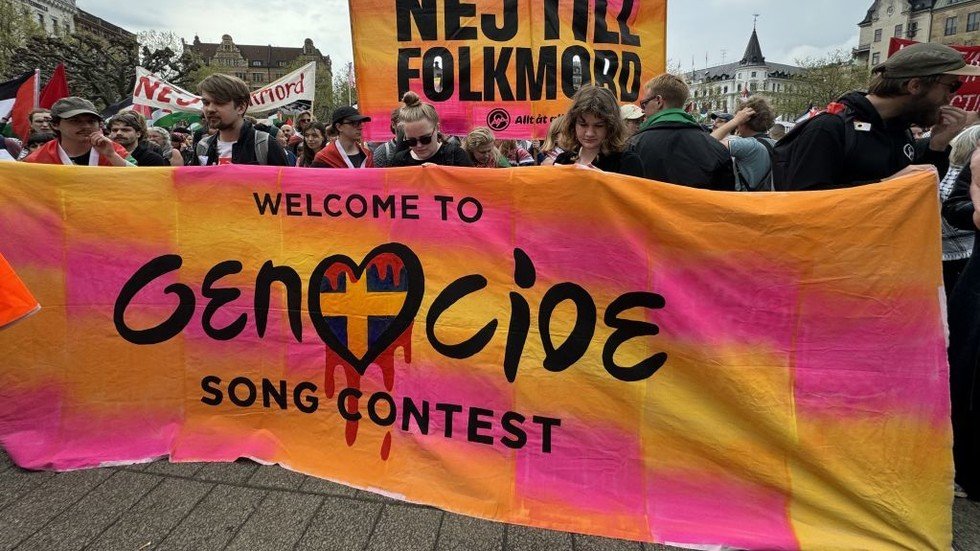
The stage for the Eurovision Song Contest 2026 is looking less crowded and significantly more controversial. In a major move, Iceland has become the fifth country to officially announce its withdrawal from the competition, joining Spain, Ireland, Slovenia, and the Netherlands.
Iceland’s public broadcaster, RUV, confirmed on Wednesday that it will neither send an artist to perform in Vienna nor air the show next year. The reason? Widespread public opposition to Israel’s continued presence in the contest and a scathing critique of the European Broadcasting Union (EBU).
The EBU Under Fire: “Neither Joy nor Peace Will Prevail”
RUV’s decision is a direct challenge to the EBU’s steadfast refusal to reconsider Israel’s eligibility. The Icelandic broadcaster revealed it had urged the EBU to allow a formal vote among member nations on the issue but was flatly rejected.
“It is clear that neither joy nor peace will prevail regarding the participation of RUV in Eurovision,” the broadcaster stated, underscoring the deep discomfort felt by its audience and leadership.
This follows mounting pressure from several member networks who have urged the EBU to bar Israel over the war in Gaza and even allegations of voting manipulation in the 2025 contest.

US Forces Sink Vessel Providing At-Sea Refueling For Cartel: SOUTHCOM
Authored by Ryan Morgan via The Epoch Times, U.S. forces, on Aug.…

Shadow Capital: Inside the Whistleblower Lawsuits and Media Silence Surrounding Ideal Living LLC
LOS ANGELES — Inside the lucrative, highly competitive direct-to-consumer wellness industry, corporate…

Naomi Wolf Crashes Out on ‘The Alex Jones Show’ Over October 7 stand-down Claims
An explosive debate erupted today on The Alex Jones Show when guest…

How June Lapine Dismantled Hasan Piker’s Image and Forced a Wardrobe Transformation
June Lapine, known widely online as Shoe0468 (or Shoe013), has long occupied…

Why Can’t Pandas Get It On? The Answer to Their Poor Sex Lives May Lie in Their Intestines
Poor pandas. While the iconic bear species of China is no longer…
Canadian journalists warned not to call 9/11 a ‘terrorist attack’
(Journalists and editors employed by the Canadian Broadcasting Corporation (CBC) were warned…
🇪🇸 The Exodus: A Growing List of Critics
The Nordic nation’s exit is the latest blow to the contest’s credibility, following the high-profile withdrawals announced just last week:
- 🇪🇸 Spain: A significant exit, as Spain is one of the “Big Five” financial contributors to the event. Culture Minister Ernest Urtasun didn’t mince words, stating, “You can’t whitewash Israel given the genocide in Gaza.”
- 🇮🇪 Ireland: The most successful country in Eurovision history by wins.
- 🇸🇮 Slovenia & 🇳🇱 Netherlands: Both nations have also cited Israel’s participation and the EBU’s inaction as their reasons for pulling out.
The withdrawing nations are effectively arguing that culture should not be used to normalize or ‘whitewash’ political actions, especially concerning the conflict in Gaza.
Double Standards? The Russia Precedent
Critics are quick to point out a glaring inconsistency in the EBU’s policy. Since 2022, the EBU has banned Russia from Eurovision, explicitly citing the Ukraine conflict.
While the EBU insists Israel meets the contest requirements, introducing new rules to limit political influence over entries, the growing list of boycotting nations suggests these changes aren’t enough to satisfy member broadcasters or the European public.
Meanwhile, Moscow has launched its own alternative, the Intervision song competition, which debuted in September.