







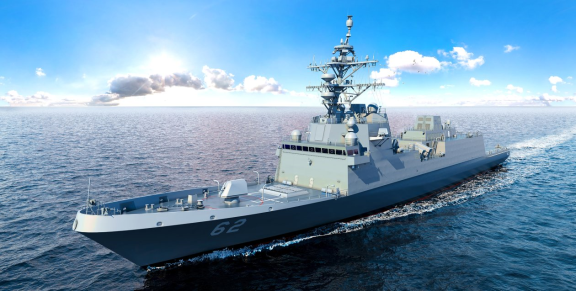
The ongoing effort to modernize the U.S. Navy fleet has once again become a flashpoint for criticism, with the new Constellation-class Frigate (FFG-62) program—designed to be the Navy’s versatile, next-generation small surface combatant—at the heart of a heated online discussion regarding defense procurement failures.
The thread, titled “U.S. Shipbuilding Disaster,” centers on the perceived systemic problems plaguing American military acquisition programs, particularly comparing the Constellation program to the troubled histories of the Littoral Combat Ship (LCS) and Zumwalt-class Destroyer programs.
The Constellation Conundrum
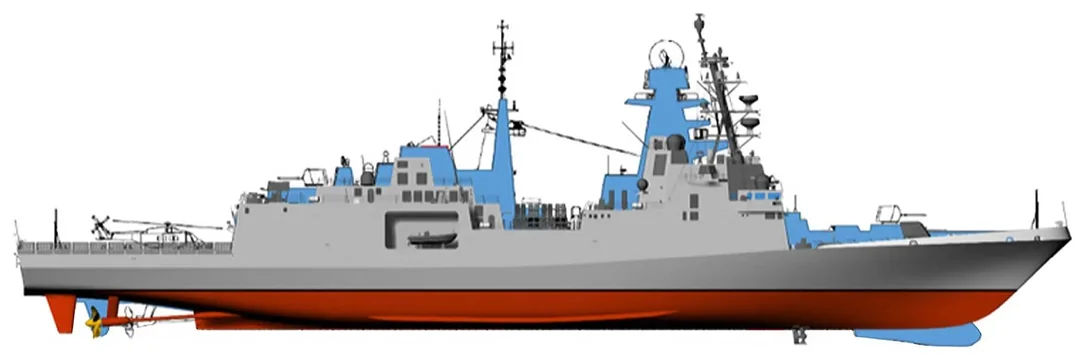
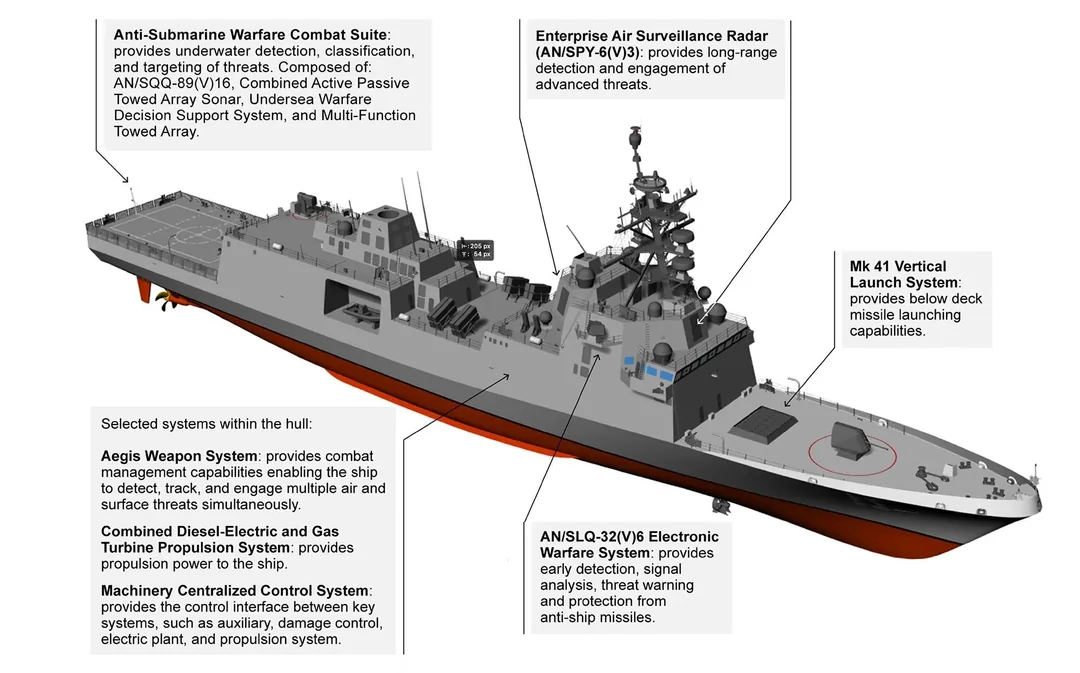
The Constellation class, based on the proven Italian/French FREMM frigate, was intended to deliver a highly survivable, multi-mission ship more capable than the LCS. However, a major source of contention, according to analysts in the discussion, is the difficulty and expense involved in trying to adapt a foreign design to meet stringent U.S. Navy standards, particularly for combat survivability and damage control.
One viewpoint suggests that the Navy’s decision to mandate that the frigate meet the same damage control standards as larger destroyers turned the design adaptation into a “fool’s errand,” resulting in massive cost overruns and delays. Critics argue that the program, initially intended to build a large fleet of ships, has already seen its scope curtailed, raising fears that a small number of “orphaned boats” will be too few to justify the effort and logistical changes needed to integrate them into the fleet.

Missing Juvenile Dallas Ballard from the 14th District
The Philadelphia Police Department is seeking the public’s assistance in locating a…

Top women’s tennis players back policy requiring gender testing
(LifeSiteNews) — Two of the top female tennis players in the world…

Pokemon Go August 2026 Events: Raid Bosses, Spotlight Hours, Pokemon Debuts, And More
August has arrived, marking the final month of Pokemon Go's Forever Forward…
![Wanted: Suspects for Assault in the 9th District [VIDEO]](https://thephillypi.com/wp-content/uploads/2026/08/Wanted-Suspects-for-Assault-in-the-9th-District-VIDEO-768x432.jpg "Wanted: Suspects for Assault in the 9th District [VIDEO]")
Wanted: Suspects for Assault in the 9th District [VIDEO]
The Philadelphia Police Department-Central Detective Division is seeking the public’s help in…

Operation MacroMaze: APT28 exploits webhooks for covert data exfiltration
Russia-linked APT28 targeted European entities with a webhook-based macro malware campaign called…

Missing Juvenile Eloquence Jordan in the 8th District Has Been Located
The Philadelphia Police Department is seeking the public’s assistance in locating missing…
This perspective views the entire program as a failure to “cut losses” or, alternatively, a failure to initially roll back requirements to something more manageable, resulting in billions spent on development with little to show for it.
Domestic Industry and Foreign Reliance
The debate quickly expanded to the health of the U.S. shipbuilding industrial base. A significant point of friction is the question of whether the U.S. should rely more heavily on foreign partners for designs and construction capacity to rapidly meet fleet needs.
One side vehemently rejects the idea, arguing it would create an unsustainable national security risk, making the U.S. “totally existentially dependent” on foreign infrastructure.
The opposing argument suggests that adopting and adapting proven foreign designs is a common-sense method to rebuild a domestic workforce and manufacturing expertise. This approach, they argue, allows the U.S. to “buy foreign ship, make adjustments, build, see what went well and what didn’t,” and ultimately cultivate a more experienced domestic shipbuilding base capable of designing and building its own advanced fleet in the future.
The Shadow of China
Looming over the domestic shipbuilding critique is the rapid naval expansion of the People’s Liberation Army Navy (PLAN). The size and speed of China’s naval buildup acts as the strategic backdrop for the urgency felt in U.S. procurement.
This comparison generated a split among commentators:
- The Skeptics: Many dismiss the Chinese threat, calling their vast new navy “untested and unproven” with “zero naval tradition.” This viewpoint holds that the PLAN’s capacity is merely “bling” and that its actual combat readiness and institutional knowledge for large-scale naval warfare are far behind the U.S.
- The Realists: Others caution against underestimation. They point out that in the age of missile warfare, historical “naval tradition” matters less than technological capability. Given China’s demonstrated high-tech research and development capabilities, particularly in missile technology, they argue it is reasonable to consider them a dangerous and modern adversary. They stress that the pace of PLAN construction—with an estimated 75% of their fleet built since 2010—demands a rapid and effective U.S. response, not complacency based on historical advantage.
Ultimately, the discussion highlights a deep-seated frustration with the U.S. defense procurement system, characterized by high costs, shifting requirements, and organizational challenges that critics argue are hindering the nation’s ability to respond effectively to global naval competition.