






![Wanted: Suspects for Shooting Incident in the 39th District [VIDEO]](https://thephillypi.com/wp-content/uploads/2026/08/Wanted-Suspects-for-Shooting-Incident-in-the-39th-District-VIDEO-330x220.jpg "Wanted: Suspects for Shooting Incident in the 39th District [VIDEO]")
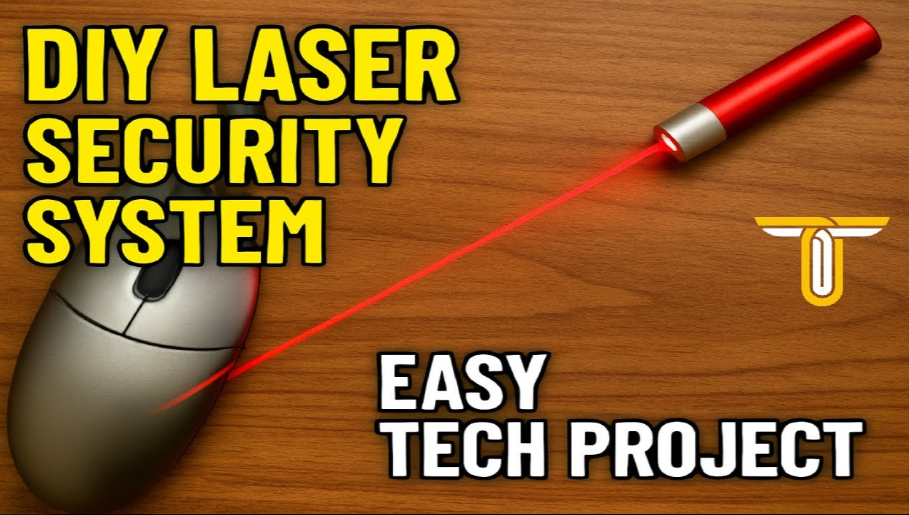
Here are some creative DIY life hacks and projects you can make using an old laser tracking (optical) mouse. These repurpose the mouse’s sensor, laser, or other components for practical or fun applications. I’ve focused on ones that are straightforward for hobbyists, often involving basic electronics like Arduino or simple wiring. Note that these involve disassembling the mouse, so handle with care to avoid damaging components.
1. Tiny Digital Camera
The optical sensor in a mouse is essentially a low-res camera (typically 18×18 or 30×30 pixels). Hack it by attaching a lens (like from a Raspberry Pi camera) and interfacing with a microcontroller like an ESP32 or Arduino to capture and display grainy images. You can add features like multiple shooting modes, color palettes, and even store photos on external memory. It’s great for lo-fi photography experiments or as a spy cam gag.
2. Laser Security Alarm System
Use the mouse’s laser and sensor to create a tripwire alarm. Direct a laser pointer (or the mouse’s own laser) at the sensor across a doorway or window; when the beam is interrupted, the sensor detects the change and triggers a buzzer or light. Add a relay for louder alarms or to control other devices. This can cover up to 1000 meters with mirrors for beam reflection, making it a cheap home security setup.https://artifacts.grokusercontent.com/third-party-image
3. Low-Cost Seismograph (Vibration Detector)
Turn the mouse into a basic earthquake or vibration sensor by mounting the optical sensor on a cantilever arm (like a PVC pipe with a weight). The sensor tracks tiny movements in the surface below it, logging data via Arduino to a computer. It’s sensitive enough to detect footsteps or seismic activity, and you can plot the results in software for analysis. Perfect for science projects or monitoring machinery.
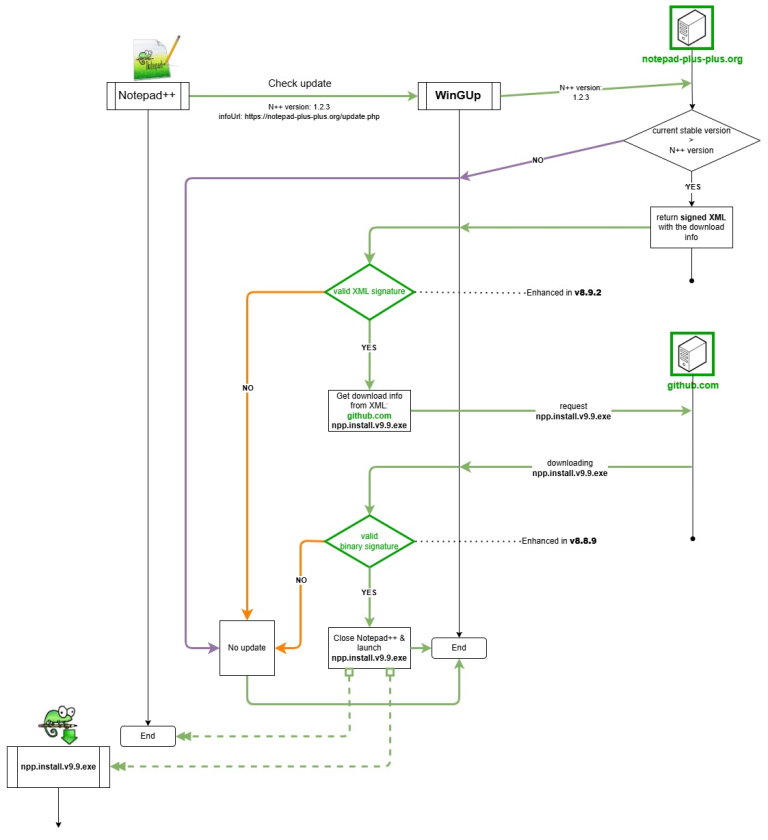
Notepad++ patches flaw used to hijack update system
Notepad++ patched a vulnerability that attackers used to hijack its update system…

US punished Colombia’s outgoing leader for calling Gaza war ‘genocide’
Washington’s sanctions against Gustavo Petro and its worsening ties with Bogota had…

Placing Venezuelan gold under US control would set ‘terrible precedent’ – ex-IMF official
In an interview, Paulo Nogueira Batista Jr. weighed in on the potential…

Trump Goes Off on Democratic Socialists – Crowd Goes Wild After He Says Abdul El-Sayed is “Full of Sh*t” * The Gateway Pundit * by Jordan Conradson
President Trump went off on the Democratic Communists while speaking in Las…

French police storm beach to stop migrant Channel crossing (VIDEO) News
Drone footage shows officers using pepper spray and slashing an inflatable boat…

Shooting Lasers to Read Minds: How LIBS Unlocks the Elemental Secrets of Matter
Imagine firing an invisible beam of light at a mystery rock sitting…
4. Optical Pen for Drawing or Precise Input
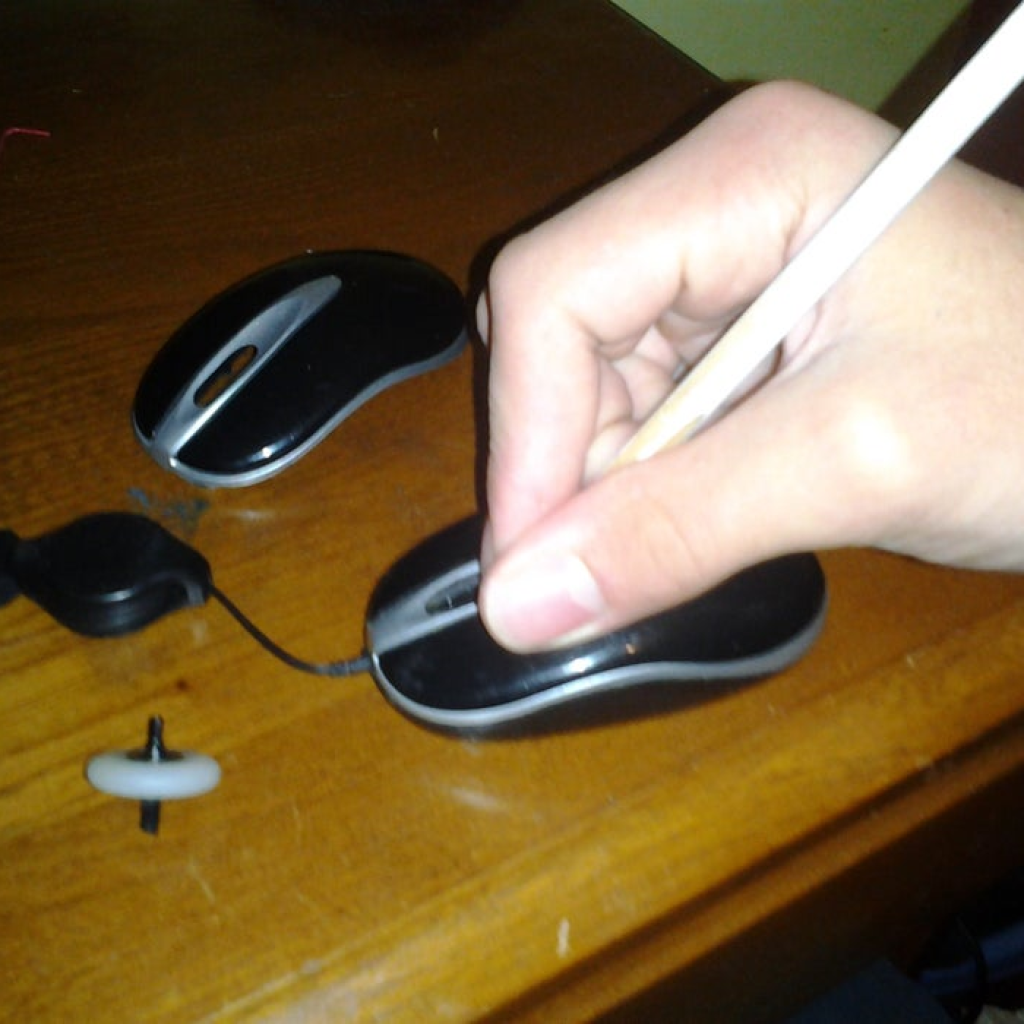
Repurpose the mouse into a pen-shaped tool for digital drawing. Disassemble it, extend the sensor with wires, and encase it in a pencil or pen body. The sensor tracks movement like a stylus on any surface, ideal for artists or as a custom input device. Add buttons from the mouse for clicks.
5. Mouse Jiggler to Prevent Screen Savers
For work-from-home setups, hack the mouse to simulate movement and keep your computer awake. Use the sensor with a rotating mechanism (like a LEGO motor or fan) under it to trick the system into thinking the mouse is moving. This avoids auto-locking without software cheats.
6. Light Meter for Photography
The sensor can measure light intensity. Place it near a window or light source, connect to a microcontroller, and read brightness levels over time. Useful for tracking sunlight for plants or calibrating camera exposures in DIY photography rigs.
7. Micropositioning Sensor for Robotics
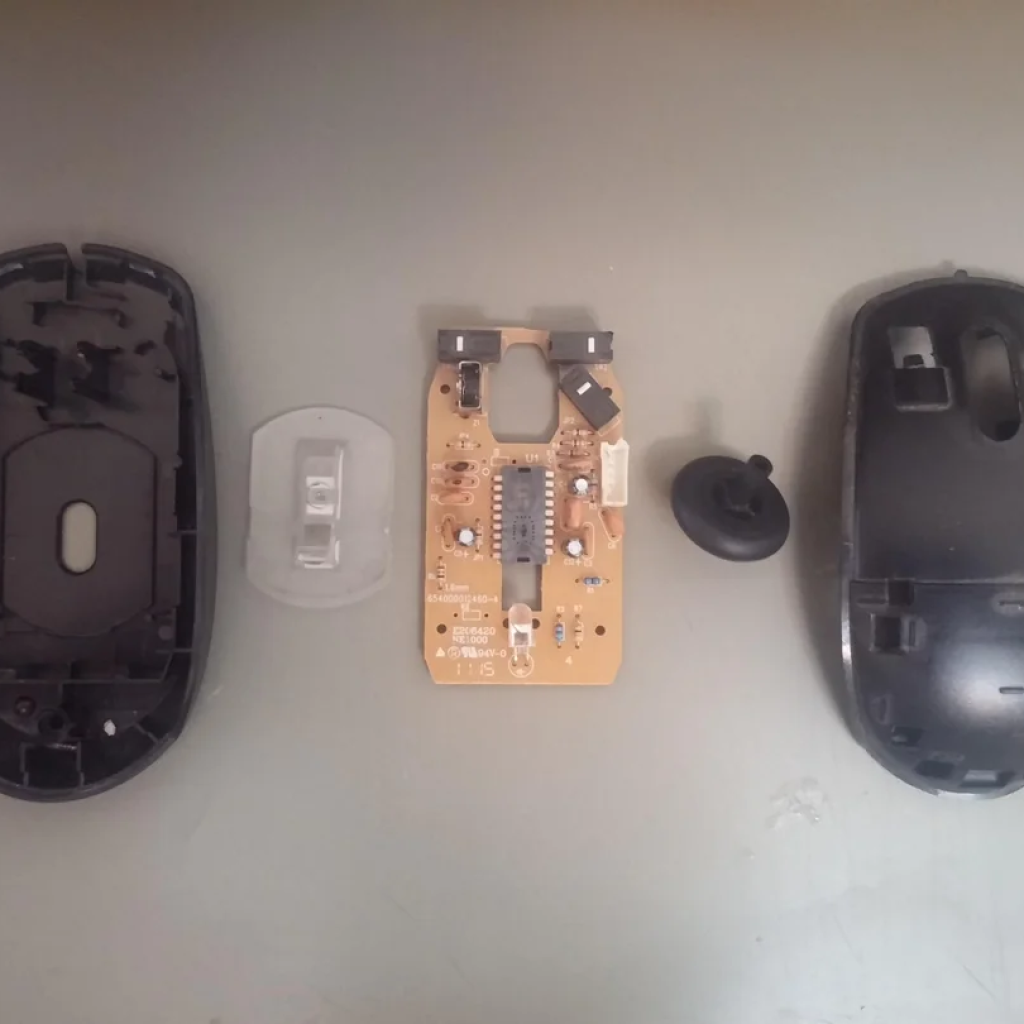
Use the sensor for precise 2D tracking in robots or CNC projects. Mount it to detect surface movements at a larger scale by swapping the lens, providing accurate position data without expensive encoders. hackaday.com +1These hacks often require basic soldering, code (like Arduino sketches available online), and parts like lenses or buzzers. Start with a cheap or broken mouse to experiment—safety first, especially with lasers to avoid eye exposure. If you’re new to electronics, check tutorials for step-by-step guides.