





![Wanted: Suspect for Vandalism in the 5th District [VIDEO]](https://thephillypi.com/wp-content/uploads/2026/10/Philadelphia-Police-Need-Help-Identifying-Suspect-in-5th-District-Vandalism-330x220.jpg)
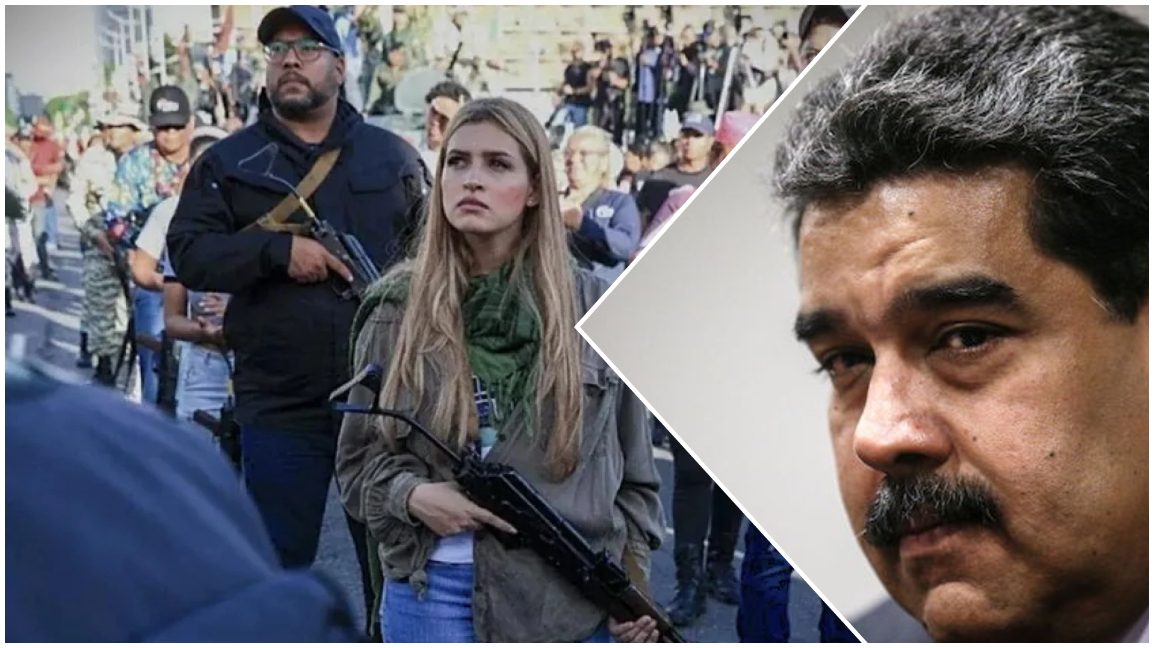
CARACAS, VENEZUELA—In a dramatic response to perceived external threats, the regime of President Nicolás Maduro has escalated its long-standing policy of civilian armament, ordering a mass mobilization and military training program for the Bolivarian National Militia. The move transforms ordinary citizens—including civil servants, housewives, and retirees—into armed members of a paramilitary force, ready to defend the nation against what Caracas frames as “imperialist aggression” from the United States.
The Bolivarian Militia: A Political Army
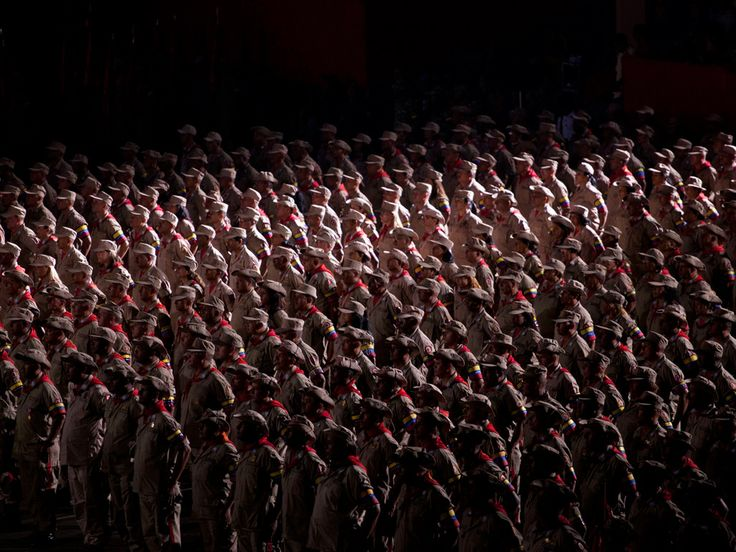
Founded by the late Hugo Chávez in 2009, the Bolivarian Militia is a civilian corps meant to serve as an auxiliary force to the National Bolivarian Armed Forces of Venezuela (FANB). Under Maduro, it has evolved into a key political and strategic instrument.
The government claims the militia boasts millions of ready-to-fight personnel. While independent estimates place the actual number of active, trained members much lower, the visible mobilization efforts are unmistakable. Across the country, registration centers and military barracks are opening their doors for training sessions that teach volunteers basic skills like disassembling rifles, shooting practice, and revolutionary resistance tactics.
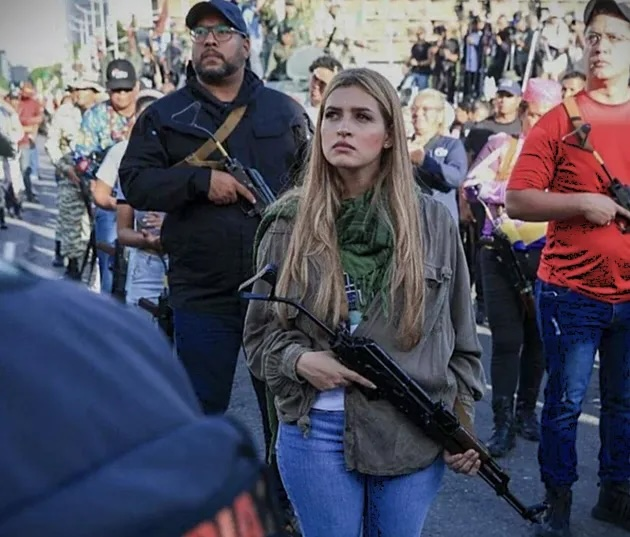
Crucially, the militia is seen by many analysts as a highly politicized force, comprised largely of fervent loyalists to the ruling United Socialist Party of Venezuela (PSUV). This ensures a dedicated body of support for the regime, trained and armed for the defense of the “Bolivarian Revolution” against both internal and external enemies.
A Deterrent of Human Shields
The sight of elderly citizens and housewives in military fatigues, clutching rifles like the Russian-made AK-103, has been widely publicized on state television and social media. This spectacle is central to the regime’s strategy.
While Defense Minister Vladimir Padrino López insists the training is serious, many experts believe the militia’s primary role is less about conventional fighting and more about deterrence through vulnerability. By arming the civilian population and deploying them in defense scenarios, Caracas aims to blur the line between combatant and non-combatant. The implied message is that any foreign military intervention would result in a devastating human cost among the civilian population, thereby raising the political stakes for any nation—chiefly the United States—considering regime change.
Massive Star Wars Fan Film Reveals Shocking Secrets in Vader Episode II Echoes of the Jedi
The Star Wars fan film community has consistently raised the bar for…
The Ultimate Dragon’s Dogma 2: Dark Arisen Relic Farming Guide And Best Routes
When you are deep into the grind for top-tier gear in Dragon’s…
Russia Issues Final Warning to West as Dobropillia Becomes a Critical New Cauldron
The geopolitical landscape of Eastern Europe stands at a razor-thin precipice as…
Musk returned to Trump’s team to develop «the weapons of the future» for the United States
Elon Musk returns to Donald Trump's team, the head of SpaceX will…

Insects Have Six Legs. But This 324-Million-Year-Old Insect Had 24 Legs and a Body Unlike Anything Alive Today
For nearly 40 years, one of the strangest insects ever found was…
DIPLOMATIC DERAILMENT: Former Japanese Minister Slams India Over Bullet Train Delays, Broken Promises, and Signaling Clashes
TOKYO / NEW DELHI — The high-stakes $15 billion flagship mega-project designed…
The Geopolitical Context
Maduro’s dramatic call for civilian defense is directly correlated with intense pressure from Washington.
- Sanctions and Bounties: The U.S. Department of State has aggressively pursued Maduro, issuing a $50 million bounty for his capture on narco-terrorism charges.
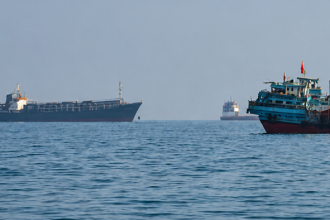
- Naval Deployments: The U.S. has maintained a sustained military presence in the Caribbean, including the deployment of warships and fighter jets, ostensibly for anti-drug trafficking operations. Venezuela’s government denounces these actions as an “undeclared war” and a pretext for invasion to seize Venezuela’s vast natural resources, including oil and gold.
By arming civilians, Maduro seeks to project an image of a unified, revolutionary populace ready to engage in protracted guerilla warfare, citing historical examples like Vietnam and Afghanistan as proof that resistance is possible against superior military power.
This move marks a dangerous escalation, risking the further militarization of Venezuelan society and drawing a precarious line between the country’s beleaguered population and potential international conflict.
The video “Learn to Shoot” Maduro Rallies Citizens to Take Up Arms As U.S. Tension Rises provides visual evidence and context for the mass civilian military training programs described in this article.